
Have you ever wondered what happens when your body’s own defense system—your immune system—gets a little confused? Normally, it’s like a security team, scanning for germs and invaders to protect you. But sometimes it misreads the situation and turns on the body rather than defend it. That’s exactly what happens in Primary Membranous Nephropathy (PMN).
So, what exactly is PMN?
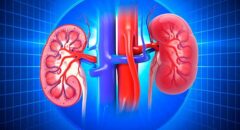
PMN is an autoimmune condition that impacts the kidneys, particularly the glomeruli—tiny but powerful filters that purify the blood. They allow waste to exit the body while retaining essential substances, such as proteins, within the bloodstream.
In Primary Membranous Nephropathy (PMN), the immune system mistakenly produces antibodies that target PLA2R, a protein present on the kidney filters. This reaction is akin to the immune system sounding an alarm in the absence of danger. The attack causes inflammation and damage to the filters, resulting in the leakage of protein into the urine instead of retaining it in the blood where it belongs.
When protein escapes into the urine, it triggers a series of complications. Protein helps maintain fluid within the blood vessels; without sufficient protein, fluid seeps into surrounding tissues, leading to swelling—particularly in the legs, ankles, and feet. For many individuals, this swelling becomes the first noticeable sign that something is amiss.
You May Also Like

PMN typically develops gradually. You may feel slightly more fatigued than usual or notice deeper marks left by your socks on your skin, but these symptoms can be easily overlooked. Many people live with PMN for years before receiving a diagnosis—often after blood or urine tests reveal the underlying changes.
What symptoms should you look out for?
When the kidneys lose protein, they trigger a collection of symptoms called nephrotic syndrome. These may include:
- Swelling in the legs, feet, face, or hands
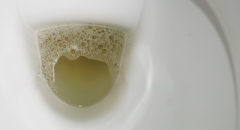
- Foamy or bubbly urine (from extra protein)
- Higher blood pressure
- Elevated cholesterol
- Weight gain from retained fluid—not fat
- Shortness of breath if fluid reaches the lungs
Symptoms can vary. Some people have just one or two, while others experience several at once. But they all link back to those inflamed kidney filters struggling to do their job.
You May Also Like

A woman sitting on an examination table at a hospital is getting her throat examined by a female doctor.
Two types of membranous nephropathy — PMN and Secondary MN
Doctors classify this condition into two categories:
- Primary Membranous Nephropathy (PMN) – caused by the immune system attacking the kidney without another illness triggering it.
- Secondary Membranous Nephropathy – develops as a result of another condition, medication, or illness.
PMN is the most common type of the condition, making up about three-quarters of all cases. Despite this prevalence, it is still considered rare, affecting roughly one in every 5,000 people. PMN is more frequently seen in adults than in children, with men in their 50s and 60s being diagnosed most often. Researchers believe that genetics or environmental factors may play a role, but the exact reasons why the immune system reacts in this way are not always clear.
The progression of PMN varies from person to person. Some individuals may go into remission with minimal treatment, while others experience flare-ups followed by periods of relative calm. A smaller group may see the disease progress slowly over the years. Although kidney failure is a possibility, it is not the outcome for most individuals. Regular monitoring and appropriate treatment can make a significant difference in managing the condition.
Doctors monitor PMN by tracking protein levels, kidney function, and antibody levels. One valuable indicator is the PLA2R antibody test: when antibody levels decrease, it often suggests that the immune attack is subsiding, leading to an improvement in symptoms. This information helps doctors time treatments for maximum effectiveness.

PMN affects more than just the kidneys
Living with a long-term illness can be emotionally challenging. The uncertainty, frequent check-ups, and slow progression of conditions like PMN can cause stress. Establishing a strong relationship with your nephrologist, asking questions, and understanding what to expect can provide stability and peace of mind. You’re not just managing numbers; you’re managing your life.
How you can monitor PMN day-to-day
A little awareness goes a long way. Here are helpful habits that support your care:
- Pay attention to swelling. Notice whether it gets worse after salty meals or long periods of sitting.
- Keep an eye on your urine. Foamy urine can be an early clue that protein loss is worsening.
Weigh yourself daily. Sudden weight gain over days may mean fluid is building up.
Check your blood pressure at home. High blood pressure makes the kidneys work harder.
Ask your doctor about PLA2R testing. These antibody levels help guide treatment and track disease activity.
Stay consistent with follow-ups. Even when you feel fine, labs can reveal changes early.
Understanding PMN helps you identify symptoms, monitor changes, and collaborate effectively with your care team. It is a condition that requires patience and awareness; however, with consistent monitoring and support, many individuals can continue to lead active, fulfilling lives.