
Sponsored by Salix Pharmaceuticals
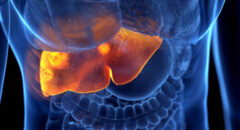
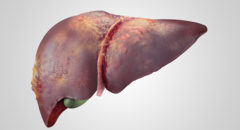
Hepatic encephalopathy (HE) is a brain dysfunction caused by a serious form of chronic liver disease called “cirrhosis” and often shows up as a range of physical and mental symptoms like tremors, confusion, and/or forgetfulness. If these symptoms become very apparent, they are considered “overt.”
Keeping track of your symptoms and following your treatment plan are key in reducing the number of Overt Hepatic Encephalopathy (OHE) episodes that may occur. Having frequent and consistent conversations with your healthcare provider about your symptoms, lifestyle, and overall health is imperative to assess your risk and maintain your liver health.
You May Also Like

MANAGING OHE
If you have been diagnosed with OHE, you may be feeling a range of emotions and have some questions. Being open and honest with your doctor and loved ones about your symptoms and any challenges you may be facing, along with attending all appointments, is critical for managing OHE. Your doctor will then be able to determine if your care plan is working or shift your care plan as needed.
Your doctor may recommend
- prescription treatments;
- lifestyle changes which could include not drinking alcohol or making changes to your diet; and/or
- a liver transplant if your symptoms worsen.
You will need to work closely with your care team to help manage your condition. This includes your caregivers.
You May Also Like

Caregivers can play an important role as they pay close attention to your symptoms and support you with your doctor appointments and treatment plans.
If you or your caregiver notice any changes in physical or mental abilities, talk to your healthcare provider immediately.
ABOUT XIFAXAN®
XIFAXAN IS THE FIRST AND ONLY medicine FDA-approved for reducing the risk of OHE recurrence in adults
- XIFAXAN HELPED REDUCE THE RISK of OHE recurrence.*
- XIFAXAN CUT THE RISK of HE-related hospitalizations in half vs placebo.*
* In a clinical study of 299 adults with a history of overt HE, patients took either one XIFAXAN 550 mg tablet 2 times a day (n=140) or placebo 2 times a day (n=159) for 6 months. 91% of patients took lactulose at the same time.
14% of XIFAXAN patients had an OHE-related hospitalization vs 23% of placebo patients.
22% of XIFAXAN patients reported breakthrough OHE episodes vs 46% of placebo patients.
HOW TO TAKE XIFAXAN
- XIFAXAN comes as a 550 mg tablet that is taken twice a day as recommended by your doctor.
- XIFAXAN can be taken with or without food.
- Ensure you continue taking XIFAXAN as prescribed for as long as your doctor determines you are at risk for recurrent OHE.
XIFAXAN is a part of the American Association for the Study of Liver Diseases (AASLD) guidelines for management of OHE. Talk to your doctor about your symptoms and see if XIFAXAN is right for you.
Visit www.xifaxan.com/he to learn more and access resources such as a copay savings card.
INDICATION
XIFAXAN® (rifaximin) 550 mg tablets are indicated for the reduction in risk of overt hepatic encephalopathy (HE) recurrence in adults.
IMPORTANT SAFETY INFORMATION
- XIFAXAN is not for everyone. Do not take XIFAXAN if you have a known hypersensitivity to rifaximin, any of the rifamycin antimicrobial agents, or any of the components in XIFAXAN.
- If you take antibiotics, like XIFAXAN, there is a chance you could experience diarrhea caused by an overgrowth of bacteria (C. difficile). This can cause symptoms ranging in severity from mild diarrhea to life-threatening colitis. Contact your healthcare provider if your diarrhea does not improve or worsens.
- Talk to your healthcare provider before taking XIFAXAN if you have severe hepatic (liver) impairment, as this may cause increased effects of the medicine.
- Tell your healthcare provider if you are taking drugs called P-glycoprotein and/or OATPs inhibitors (such as cyclosporine) because using these drugs with XIFAXAN may lead to an increase in the amount of XIFAXAN absorbed by your body.
- In clinical studies, the most common side effects for XIFAXAN were:
- HE: Peripheral edema (swelling, usually in the ankles or lower limbs), constipation, nausea (feeling sick to your stomach), fatigue (feeling tired), insomnia (trouble sleeping), ascites (a buildup of fluid in the abdomen), dizziness, urinary tract infection, anemia (low red blood cell levels), and itching
- XIFAXAN may affect warfarin activity when taken together. Tell your healthcare provider if you are taking warfarin because the dose of warfarin may need to be adjusted to maintain proper blood-thinning effect.
- If you are pregnant, planning to become pregnant, or nursing, talk to your healthcare provider before taking XIFAXAN because XIFAXAN may cause harm to an unborn baby or nursing infant.
You are encouraged to report negative side effects of prescription drugs to the FDA. Visit www.fda.gov/medwatch/ or call 1-800-FDA-1088.
For product information, adverse event reports, and product complaint reports, please contact:
Salix Product Information Call Center
Phone: 1-800-321-4576
Fax: 1-510-595-8183
Please click here for full Prescribing Information.
Visit www.xifaxan.com/he to learn more and access resources such as a copay savings card.
Salix Pharmaceuticals
400 Somerset Corporate Blvd., Bridgewater, NJ 08807
The XIFAXAN 550 mg product and the XIFAXAN trademark are licensed by Alfasigma S.p.A. to Salix Pharmaceuticals, Inc. or its affiliates.

© 2025 Salix Pharmaceuticals, Inc. or its affiliates.
XIF.0200.USA.25