

Chronic Kidney Disease (CKD) has quietly evolved into a global health emergency. According to a new study published in The Lancet, CKD is now the ninth leading cause of death worldwide. This “silent” crisis is expanding rapidly; since 1990, the number of people living with reduced kidney function has more than doubled, jumping from 378 million to nearly 788 million today.
Currently, approximately one in seven adults is living with CKD. In 2023 alone, more than 1.5 million deaths were linked to the disease—a 6% increase over three decades, even after adjusting for aging populations. As Dr. Josef Coresh of NYU Langone notes, “Our work shows that chronic kidney disease is common, deadly, and getting worse as a major public health issue.”
Why is this happening? The “Silent” Drivers
The kidneys are the body’s unsung heroes, serving as a sophisticated filtration system that processes roughly 200 quarts of blood daily to sift out waste and extra water. However, these delicate organs are highly susceptible to damage from other chronic conditions. The global rise in CKD is primarily driven by three interconnected factors:
You May Also Like
1. The Diabetes Epidemic
High blood sugar acts like “grit” in the kidneys’ microscopic filters (nephrons). Over years of uncontrolled diabetes, this grit creates scarring and inflammation, eventually causing the filters to leak or fail entirely. As global rates of Type 2 diabetes climb, kidney failure follows in its wake.
2. Hypertension (High Blood Pressure)
Your kidneys are packed with a dense network of blood vessels. Persistent high pressure causes these vessels to thicken, narrow, and lose their elasticity. This restricts blood flow, effectively starving the kidney tissue of the oxygen and nutrients it needs to function.
Important Note: Both diabetes and hypertension are significantly more prevalent in Black communities, contributing to a disproportionate burden of kidney disease and a higher risk of progressing to total kidney failure.

RELATED: Beware! Failing Kidneys Aren’t The Only Thing That Cause Kidney Disease
3. The Heart-Kidney Connection
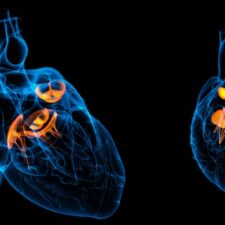
The heart and kidneys operate as a synchronized team. The heart pumps blood to the kidneys, and the kidneys regulate blood pressure and fluid balance to ease the heart’s workload. When the kidneys struggle, the heart must work harder, leading to a “multiplier effect.” The study found that CKD contributes to roughly 12 percent of heart-related deaths worldwide.
The Stages of the “Silent” Disease
Because the kidneys are incredibly resilient, they often compensate for damage until they are severely impaired. This means many patients remain asymptomatic until the disease reaches an advanced stage, at which point the only remaining options are grueling dialysis treatments or a kidney transplant.
1. Recognize the Quiet Warning Signs
As kidney function drops below 25-30 percent, your body may begin to send subtle, easily overlooked signals:
-
Urination Changes: Needing to go more frequently (especially at night) or noticing that urine appears foamy or bubbly, which indicates protein leakage.
-
Persistent Fatigue: A heavy, “wiped out” feeling caused by the buildup of toxins (uremia) that the kidneys can no longer filter.
-
Edema (Swelling): Sodium retention leads to fluid buildup, often visible as tight-fitting shoes or morning puffiness around the eyes.
-
Skin Changes: Toxins in the blood can cause persistent, unexplained itching or extreme dryness.
RELATED: 8 Signs Your Kidneys Are Failing (And You Don’t Know It)
Proactive Management: Protecting Your Function
If you have diabetes, high blood pressure, or a family history of kidney issues, you are in a high-risk category. However, CKD is not a guaranteed sentence of kidney failure. Early intervention can significantly slow, or even stop, the progression of the disease.

The “Rule of 2,300” and Nutrition
Diet is perhaps the most powerful tool in your arsenal. Excess salt is the primary enemy of kidney health because it drives up blood pressure. Aim for less than 2,300 mg of sodium per day.
-
Salt Substitutes: Avoid “potassium salts” if you have advanced CKD, as high potassium can be dangerous. Instead, use lemon juice, fresh garlic, or Mrs. Dash Original Seasoning Blend to add flavor without the sodium hit.
Medication Safety
Many people are unaware that common over-the-counter medications can be “nephrotoxic” (poisonous to the kidneys). Long-term or high-dose use of NSAIDs like ibuprofen or naproxen can reduce blood flow to the kidneys and cause acute injury. Always consult your doctor about kidney-safe pain management alternatives.
Lifestyle and Hydration
-
Stay Active: 30 minutes of moderate activity, such as brisk walking, five days a week, helps stabilize blood pressure and improve metabolic health.
-
Smart Hydration: While staying hydrated is generally good for the kidneys, those in advanced stages of CKD may actually need to limit fluid intake to prevent swelling and heart strain. Always follow your nephrologist’s specific guidance.
The Power of the “Urine ACR” Test
The authors of the Lancet study emphasize that the most critical missing piece in global health is early screening. Most standard blood panels include a “Creatinine” check to estimate your GFR (Filter Rate), but this often doesn’t show damage until it’s already well underway.
The Urine ACR (Albumin-to-Creatinine Ratio) test is the gold standard for early detection. It looks for albumin, a protein that should stay in the blood. If it’s leaking into your urine, it’s an early-warning signal that your kidney filters are beginning to break down. This test is simple, inexpensive, and can be the difference between early management and future dialysis.