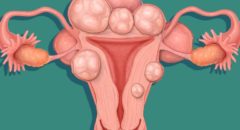

Okay, so many of us have heard of fibroids. Depending on the size, they can be intrusive causing pain, discomfort, heavy periods, weight gain… Yes, indeed, weight gain, fatigue, and so much more. For those who aren’t so familiar, just what are they? Fibroids are benign tumors that grow within the uterus.
In most cases, this growth happens during the childbearing years. According to Erica Marsh, M.D., of Michigan Medicine, “Fibroids are a disease of all women, but African American women have a higher prevalence for fibroids, with 80–90 percent being diagnosed with the condition. ” March explains that this disease isn’t only for older women, but “African American women are also diagnosed with fibroids at a younger age, with more than 25 percent already developing fibroids between the ages of 21–30.”
So, what are the treatment options?
There are several options one can choose when deciding how to proceed with fibroid removal. The most common is a myomectomy, which is an operation to remove fibroids while preserving the uterus. Three types of myomectomies are abdominal, laparoscopic, and hysteroscopic.
A hysterectomy is a major surgical procedure in which the uterus is removed. Three types include vaginal, abdominal, and laparoscopic.

A newer procedure is called uterine artery embolization, which is a technique that blocks the blood flow to the fibroid or fibroids, causing them to shrink and die—given the vast number of treatment options, deciding which one can be emotionally daunting.
RELATED: 7 Fibroid-Fighting Foods You’ll Love
Beyond the listed types of treatment, women have changed their eating habits, with some observing a Mediterranean diet (given the high contents of fresh and cooked vegetables, fresh fruit, and fish) in hopes of reducing the continuous growth of fibroids. Others increased their physical activities since obesity can be linked to the development of fibroids.
We know fibroids can be very painful depending on the size, location, etc. However, what some don’t consider is the emotional weight it causes. For many women inflicted with fibroids, these changes can hinder their sex life, cause depression, anxiety, apprehension about their health, fear of invasive treatments, etc.
Have you ever had a friend cancel plans at the last minute? An event you both were looking forward to attending? Frustrated, you had to accept their decision. However, continuous last-minute cancellations upset you. You probably didn’t consider that your friend is a heavy bleeder and prone to “accidents.” To avoid embarrassingly staining her clothes in public, she cancels, not because she wants to, but because fear consumes her. Anxiety takes over her every time her period comes because she’s anxious about being in public places. She didn’t tell you due to shame and because when she told others, she was met with a simple dismissal because, after all, everyone has a period, and her experience is not that serious, right?
You May Also Like

In many cases, having fibroids won’t hinder childbirth, but imagine the