

If you’ve ever felt like your teeth aren’t as strong as they used to be — or like no one warned you how much adult dental care really costs — you’re not imagining things.
More and more young adults are dealing with serious dental issues, including gum disease, tooth sensitivity, broken teeth, and even early tooth loss. And while that might sound scary, the good news is: you can protect your smile with the right tools, habits, and care — no matter your age or budget.
Let’s talk about what’s happening, why it’s not just about brushing, and how you can keep your teeth healthy (and still enjoy your favorite snacks).
You May Also Like

RELATED: 6 Signs You Have Unhealthy Gums
What’s Behind the Rise in Tooth Trouble for Young Adults?
This isn’t just about not flossing (although… flossing does help). There are several real reasons more people in their 20s and 30s are seeing serious dental problems — and some of them have nothing to do with how often you brush.
1. Gum Disease Starts Quietly
Gum disease (also called periodontal disease) is one of the main causes of adult tooth loss — and it often starts with no pain. It begins as gingivitis (red, bleeding, or swollen gums) and can progress if untreated, eventually damaging the bone that holds your teeth in place.
You May Also Like

Many folks don’t even know they have it because the early signs seem minor — but it’s very common, especially if you’ve gone long stretches without dental visits.
2. Stress = Grinding, Clenching, & Jaw Problems
Between student debt, job pressure, rent increases, and life, stress is at an all-time high — and your teeth might be paying the price. Stress can lead to:
- Teeth grinding (bruxism), especially during sleep
- Jaw clenching, causing wear and fractures
- Inflammation in the body, including the gums
You might not realize it, but if you wake up with a sore jaw or notice your teeth look shorter or chipped, stress could be the root cause.
3. Modern Diets Are Tough on Teeth
Even if you’re brushing regularly, today’s food culture (lots of snacking, sugary drinks, and acidic foods) can erode enamel over time. Enamel is the hard outer layer that protects your teeth — and once it’s gone, it doesn’t grow back.
Even “healthy” habits like sipping lemon water, sparkling drinks, or protein bars with hidden sugars can do long-term damage.
4. Skipping the Dentist (Because… Life)
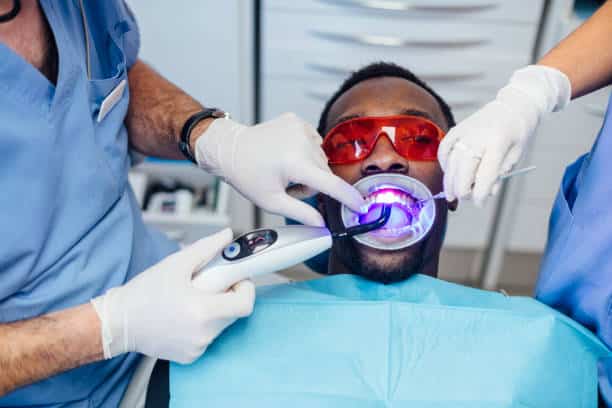
Let’s be real: not everyone has dental insurance. And even with it, care can still be expensive or hard to access. That means a lot of young adults are going years between cleanings or only going in when something hurts.
Unfortunately, that delay can turn a small issue into a big one — and untreated decay or infection can eventually lead to tooth loss.
The bottom line? Tooth loss isn’t just about poor hygiene — it’s often a mix of diet, stress, genetics, inflammation, access to care, and life circumstances.
5 Simple Ways to Protect Your Smile (Starting Today)
You don’t need to overhaul your entire life or drop hundreds on fancy treatments. Here are five easy and affordable ways to start protecting your teeth right now:
1. Keep It Simple but Consistent
- Brush 2x a day with fluoride toothpaste (it strengthens enamel).
- Use a soft-bristled brush — hard ones can actually damage gums.
- Floss daily — it only takes a minute, but it can prevent gum disease before it starts.
Pro tip: Set a phone reminder at night if you tend to forget to floss or brush before bed — nighttime is when your mouth needs it most.
2. Watch Out for Hidden Sugar and Acid
- Cut back on sugary drinks (soda, sweet tea, energy drinks). Even fruit juice can be tough on enamel.
- If you sip lemon water or sparkling drinks, try using a straw to reduce contact with your teeth.
- Rinse your mouth with water after eating or drinking anything acidic to neutralize the pH.
You don’t have to give it all up — just be mindful of how often it touches your teeth.
3. Notice If You’re Clenching or Grinding
- Do you wake up with a sore jaw or headaches?
- Feel tension in your neck or temple area during the day?
You might be grinding or clenching — and over time, that wears down your teeth. Talk to your dentist about a night guard (many drugstore versions work well if custom isn’t affordable). And practice jaw relaxers like gently opening and closing your mouth, or massaging your jaw muscles.
4. Make That Dental Appointment (Even If It’s Been a While)
We get it — it’s hard to go back when it’s been years. But dentists have seen it all, and the earlier you catch something, the easier (and cheaper) it is to fix.
Look for:
- Community dental clinics with sliding scale fees
- Dental school clinics (students work under licensed dentists and offer reduced rates)
- Free dental days or mobile clinics in your area (local public health departments often post these online)
You deserve care that meets you where you are — without shame.
5. Invest in Small Tools That Make a Big Difference
- Fluoride mouthwash for strengthening enamel
- Water flossers, if string floss feels awkward
- Chew sugar-free gum with xylitol after meals — it boosts saliva and helps neutralize acids
None of these have to break the bank — and they work better than expensive whitening strips or trendy “detox” pastes that don’t actually clean.
RELATED: Dry Mouth: What’s Really Causing It and How to Treat It

Your Smile Is About More Than Just Teeth
Your smile isn’t just about appearances — it’s how you connect, express yourself, and move through the world. So when something’s wrong with your teeth, it can impact more than just your mouth. It can affect your confidence, your comfort, even your ability to eat or speak with ease.
But here’s the truth: Your smile is still valid and worthy, no matter where you’re starting from.
Whether your goal is:
- Keeping your natural teeth for life
- Avoiding costly dental emergencies
- Or just feeling confident in your grin again
You don’t need perfection. You just need care that meets you where you are.
Missing a tooth — or more than one?
You’re not alone. You’re not broken. And you still deserve good care.
Tooth loss is more common than people think — especially for folks who’ve faced financial barriers, chronic illness, or trauma. You deserve options that are explained clearly and respectfully, like:
- Partial dentures (affordable, removable)
- Dental bridges (fixed, uses nearby teeth)
- Implants (permanent, higher cost)
- Flippers or temporary retainers (lightweight, cosmetic)
Your teeth do not measure your worth. You are still you — worthy of love, joy, and connection. Whether you’re missing teeth or healing gums, you deserve care that supports your dignity, not your shame.