
• Skip to main content
  • Skip to secondary menu
  • Skip to primary sidebar
  • Skip to footer
BlackDoctor.org
Where Wellness & Culture Connect

Where Wellness & Culture Connect

  • Conditions
  • Wellness
  • Lifestyle
  • Longevity
  • Clinical Trials
  • Resources
    • Generational Health
    • Top Blacks in Healthcare 2025
    • Hall Of Fame
    • Clinical Trials Resource Center
    • Obesity Resource Center
    • Cancer Resource Center
    • Wellness on the Yard
    • Immunocompromised Care
    • BDO Resource Library
  • Find A Doctor
  • BDO TV
Home / Health Conditions / Anxiety / 12 Common Habits That Are Making You Anxious

12 Common Habits That Are Making You Anxious

anxiety symptoms

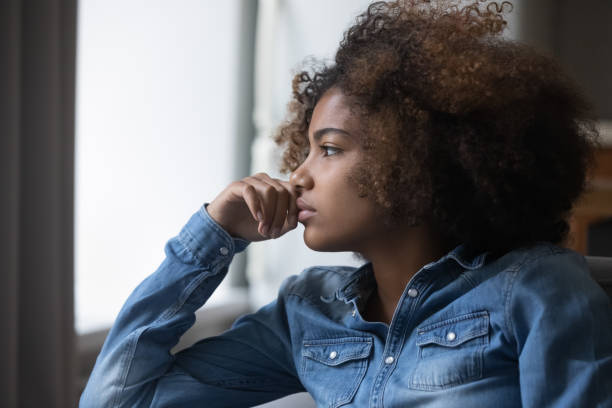
Trauma, chronic sickness, loss of a loved one, job loss, and family history of anxiety may create persistent anxiety.

We can control harmful behaviors that worsen anxiety. Knowing and altering your negative behaviors might help you manage your anxiety.

Drinking Caffeine

After years of tracking coffee and anxiety, It was concluded that caffeine ruins anxiety and sleep. Even one weak latte a day can make you uneasy. Caffeine increases anxiety. If your anxiety is at level five, a few hours after coffee, it will likely be at least eight, rising to 10 or more in the evening. If you don't sleep properly, you'll be much more anxious in the morning. However, your morning coffee will restart the process. Generalized Anxiety Disorder

You May Also Like
Psoriatic Arthritis Can Feel Beyond Your Control. Consider a Different Direction. Learn More Here. Psoriatic Arthritis Can Feel Beyond Your Control. Consider a Different Direction. Learn More Here.

(GAD) sufferers are unusually sensitive to caffeine, according to one research. Caffeine causes anxiety hours after use, yet we feel fine after that. To remove caffeine, you must also avoid black tea, green tea, soda, energy drinks, and even decaf coffee.

Caffeine is one of the most frequent habits, but it's also one of the greatest anxiety triggers. Eliminating it can and will improve anxiety and sleep. Try giving up coffee for 30 days and measure your anxiety levels to see if it makes a difference.

Skipping Meals

Skipping meals causes worry! We often miss meals due to anxiousness. We're either too worried or too afraid to eat. Skipping meals promotes hypoglycemia, which may produce anxiety symptoms, including irritability, anxiousness, dizziness, light-headedness, and weakness. 

You May Also Like
Get GLP-1s Delivered to You As Low As $99/Month! Get GLP-1s Delivered to You As Low As $99/Month!

Dieting may cause anxiety, particularly if you cut out a key vitamin (carbs, fats, or proteins). Recurrent hypoglycemia increases anxiety, a study shows. Poor diets were linked to anxiety and depression in other investigations. Recommendations:

  • Eat every two hours five times a day (1. Breakfast, 2. Healthy snack, 3. Lunch, 4. Healthy snack, 5. Dinner)
  • Eat a range of whole-natural foods rich in complex carbohydrates, vital fatty acids, proteins, vitamins, and minerals.
  • Natural foods include vegetables, entire grains, legumes, fruit, nuts, seeds, herbs, fresh meat, and seafood.

RELATED: 4 Tips to Decrease Anxiety Throughout the Day

Eating Processed Foods

Consuming processed meals might harm your health and anxiety. Examples include microwave dinners, sugary foods, processed carbs, cold meats, sauces, dressings, and dishes with extensive ingredient lists.

According to a study, processed meals often include chemical additives, which might increase anxiety and lower mood and social behavior. Some of the worst additives are:

  • Aspartame and other sweeteners
  • Colorings like Red #40 and Yellow #5
  • Flavor enhancers like MSG (MSG)
  • Neurotoxins like dyes and artificial sweeteners damage the neurological system and induce anxiety.

Aspartame, an artificial sweetener, has been related to cognitive and behavioral issues. Neurophysiological symptoms include learning issues, headaches, seizures, migraines, irritable moods, anxiety, sadness, and insomnia.

Recommendations:
  • Replace packaged, processed, and refined foods with whole-natural foods.
  • Vegetables and whole grains are the simplest way to achieve that. These meals include complex carbs that deliver energy slowly, stabilize blood sugar, and reduce cravings for harmful foods.

Reaching for Sugar

Avoid sugar for anxiety. While we know we should decrease sugar, anxiety often makes us desire sweets. Sugar temporarily stops stress hormone production in an anxious brain region, according to studies (cortisol). Sugar relieves anxiety, which makes us want it and grow dependent.

  • Sugar consumption raises tension and anxiety.
  • Sugar raises and drops blood sugar, causing irritation, nervousness, and poor mood, which may increase anxiety.
  • Sugar may promote mood problems in men and women, according to a 2017 research.
  • Sugar consumption from sweet food/beverages negatively impacts long-term psychological health, suggesting that a decreased sugar intake may improve mental health.
  • Sugar has been related to inflammation, nutritional deficiencies, weight gain, diabetes, obesity, and heart, kidney, and liver illness. Several studies demonstrate that these factors may increase anxiety and other mental health concerns.

Eliminating sweet meals helps anxiety. Avoid cakes, cookies, chocolate, puddings, pastries, ice cream, milkshakes, waffles, and other apparent offenders. Read food labels since 75 percent of packaged goods have added sugar. Even healthy meals like granola bars, muesli, yogurts, and smoothies may have added sugar.

Fruit is tasty and nutritious. However, restrict fruit to two to three pieces per day. Fruit contains simple sugars that might raise blood sugar and anxiety. A balanced diet will help you eat more real foods and fewer processed and sugary meals! Healthy eating reduces sugar cravings. Recommendations:

  • Eat two to three fewer sweet fruits daily. Apples, pears, green bananas, mangos, and papaya.
  • Natural stevia is preferable.
  • Squash and sweet potatoes might curb sugar cravings.

RELATED: 7 Ways to Help You Overcome Anxiety While Traveling

Not Getting Enough Fluids

Anxiety might increase if you don't consume enough fluids. Stress from dehydration might lead to anxiety symptoms. In one research, restricting water intake decreased contentedness, serenity, good emotions, and vigor/activity, whereas increasing water consumption decreased weariness, confusion, and thirst.

Additionally, water calms. Dehydration also lowers mood, according to findings. Anger, perplexity, stress, and exhaustion may result from mild dehydration. That's why keeping hydrated is critical for anxiety sufferers and your general health.  

According to the U.S. National Academies of Sciences, Engineering, and Medicine, women require 11.5 cups (2.7 liters) of fluids daily. In comparison, males need 15.5 cups (3.7 liters). Females should drink 11 cups of liquids daily, while males should drink 15 cups. Thus, staying hydrated will prevent dehydration-related worry and reduce anxiety, according to Harvard Medical School.

Vegetables and fruit count as fluids. Organic loose-leaf herbal teas and water are ok. Herbal tea packets may include caffeine. Instead of drinking all your water or tea at once, sip it throughout the day.

Poor Eating Habits

Poor diets may increase anxiety. For instance, not eating enough vegetables, whole grains, and other natural whole foods, eating too many processed meals and beverages heavy in fat, salt, and/or sugar and low in dietary fiber, and not chewing your food correctly.

Poor eating habits might reduce your intake of vital nutrients such as carbs, protein, essential fatty acids, vitamins, and minerals needed for brain and neurological system health.

Nutrient deficiencies have been linked to mood and anxiety. Anxiety disorders and other mental health concerns are associated with dietary deficiencies, including B vitamins, vitamins C and E, magnesium, selenium, and omega-3 fatty acids.

One research linked mental health issues to improper diet. Unhealthy eating practices, including "snacking and convenience," "planning," and "meal skipping," indicate mental health issues. Recommendations:

  • Eat veggies and whole grains and avoid processed meals.
  • Regularly eat moderately
  • Chew well to maximize nutritional absorption.
  • Eat mindfully

Consuming Alcohol

Anxiety sufferers often drink. Alcohol briefly boosts "happy hormones" like serotonin and dopamine in the brain, making you feel better and less worried. Still, it also raises anxiety levels within a few hours. According to the Anxiety and Depression Association of America (ADAA), 20 percent of persons with a social anxiety disorder also misuse or rely on alcohol, and recent research indicated a higher link among women.

After drinking, you'll feel more worried, weary, and depressed. Hangovers—nausea, dizziness, headaches, dehydration, and low blood sugar—can worsen your anxiety. Overdrinking also raises the risk of chronic illness and mental health issues.

Avoid alcohol when managing anxiety. Alcohol use and mental health issues were linked in one research. Alcohol abusers have higher rates of psychological suffering and educational issues. After managing anxiety, you may drink sometimes.

Not Exercising

Another anxiety-causing behavior is laziness. Sitting all day and not exercising might harm your physical and emotional health. Your body is intended to move, and certain processes need it. Breathing and muscular activity assist the lymph system in transferring water and waste. These functions get inefficient if you don't move enough. Toxicity may cause anxiety.

Inactivity raises the risk of diabetes, obesity, cardiovascular illnesses, colon cancer, osteoporosis, lipid problems, and high blood pressure. Sitting all day has been linked to anxiety and sadness. Sedentary time (>8 h) elevated anxiety and depression, but moderate to high physical exercise lowered them.  

According to the World Health Organization (WHO), physical inactivity kills 3.2 million people worldwide. Clinical research and meta-analyses suggest that exercise reduces anxiety. Aerobic exercise reduces stress and improves mood, sleep, and self-esteem. One study done on animals shows that exercise improves anxiety pathophysiology.

What if you're tired, unmotivated, or weak? Start with brief walks around your building, home, or neighborhood. Walk 10,000 steps a day to stay active. Don't worry if you can't walk this much initially. Work up to this. Recommendations:

  • Walking, yoga, and hiking are the greatest anxiety reducers, but any physical activity may assist.
  • At least three times a week, do your favorite workout.
  • Walk all week.
  • Walk longer on weekends or do something athletic.

Lack of Sleep

A study shows that sleep deprivation increases anxiety, tension, anxiousness, and irritability. One research found that fewer than eight hours of sleep might promote recurrent negative thoughts and make it difficult to let go of bad things and anxiety symptoms. Recommendation:

  • Sleep 8 hours each night.
  • Sleep between 22:00 and midnight.
  • Close curtains, blinds, and devices at night to darken your space.
  • Avoid eating three hours before bed.

Watching the News

Watching the news might make you grumpy and uneasy due to excessive concern and dread. TV news causes persistent unfavorable psychological reactions, according to one investigation.

That research found that viewing the news increased anxiety and Total Mood Disturbance (TMD) in subjects within 15 minutes. While being informed is crucial, viewing or reading the news first thing in the morning might make you uneasy, and connecting with unpleasant pictures and words at night can impact your sleep.

Since news affects anxiety, avoid news first and last thing. Recommendation: Practice meditation, stretching, journaling, affirmations, and yoga in the morning and before bed.

Comparing Yourself to Others

With fast access to photographs from people's lives on social media and the internet, comparing yourself to others is simple. Doing this daily causes sadness, poor mood, and unpleasant thoughts that lead to worry.

Comparing yourself to others is unfair since you'll concentrate on their strengths and your weaknesses. Flowers blossom without thinking about competing with others.

Uniqueness precludes comparison. Focusing on your strengths will make you love yourself more. When you love yourself, comparison and worry may go away. Recommendations:

  • Stop comparing yourself to others and say, "I prefer to concentrate on my own abilities and qualities since I have a lot to offer to the world."
  • List your strengths in your notebook. Expand that list.

Ignoring Your Anxiety

Anxiety is telling you to alter something. It will become louder if ignored. Start tracking your anxiety levels regularly. Paying attention to anxiety early on helps you uncover negative thinking patterns and poor behaviors before they get out of hand.   

  • Meals, exercise, writing, affirmations, etc.
  • apprehension
  • 15-minute brain dump

This lets you recognize what makes you uneasy and adjust appropriately. Anxiety management may reduce symptoms. Recommendations:

  • Start taking anxiety notes 
  • Concluding Anxiety-Inducing Habits
  • Trauma or loss may have caused your anxiety problem.
  • You can modify behaviors that worsen anxiety.
  • Lack of exercise, bad food, dehydration, additives, refined sugar, alcohol, caffeine, and insufficient sleep may worsen anxiety.
  • List your problematic behaviors and create tiny objectives to start altering them.
By Dominique Lambright | Published September 15, 2023

The Latest In Anxiety

mental illness

12 Early Signs Of a Mental Illness

Anxiety disorders often go hand in hand with depression and other mental illnesses. People who have anxiety disorders struggle with intense and uncontrollable feelings of anxiety, fear, worry, and/or panic. These feelings can interfere with daily activities and may last read more about 12 Early Signs Of a Mental Illness
signs of anxiety

4 Ways Black Men Show Signs of Anxiety

I often joke with my male cousins about “guy code”—the unspoken yet universally understood rules that guide their communication, actions, and reactions to one another. Even how men complement each other is strictly enforced by such rules. To veer outside read more about 4 Ways Black Men Show Signs of Anxiety
chronic stress

War Anxiety Is Real—Here’s How to Cope

When images of war, violence, and tragedy dominate your newsfeed, it can feel overwhelming—especially if you're already navigating everyday stress. These constant updates can take a toll on your emotional well-being, triggering feelings of fear, anxiety, and helplessness. For many read more about War Anxiety Is Real—Here’s How to Cope

7 Overlooked Signs You Need Your Thyroid Checked

According to the American Association of Clinical Endocrinologists, 30 million Americans have some sort of thyroid disorder, but only half have actually been diagnosed, which means there are a lot of people walking around with thyroid issues and they don’t read more about 7 Overlooked Signs You Need Your Thyroid Checked
signs you need a therapist

5 Signs You Need A Therapist

If you’re taking cues from reality TV, chances are you think therapy is a last resort effort to restore sanity. The only truth is, everyone experiences periods of stress, sadness, grief and conflict. In fact, one in five American adults read more about 5 Signs You Need A Therapist
practicing mindfulness

3 Benefits Of Adding Mindful Practices To Your Daily Routine

Contemplative practices such as yoga, meditation, and mindfulness are becoming increasingly popular in many urban communities. From yoga studios to retreats, many of us are now gravitating toward life practices that focus on the mind, body, and soul. Once thought read more about 3 Benefits Of Adding Mindful Practices To Your Daily Routine

Primary Sidebar

Subscribe to our newsletter

Icon

Caring for You, Too - Caregiver Workbook

1 file(s) 297 KB
Download

Trending Articles

7 Things You Should Never Do To Lose Weight!

lose weight

4 Ways To Boost Your Metabolism & Prevent Weight Gain During The Holidays

how to boost your metabolism

What Is Congestive Heart Failure?

congestive heart failure

5 Reasons Your Hair Texture Changes

hair texture

Top 10 Dirtiest Places in Your Home

dirtiest places in your home
Find a Culturally Sensitive Doctor

Footer

Where Wellness & Culture Connect

BDO is the world’s largest and most comprehensive online health resource specifically targeted to African Americans. BDO understands that the uniqueness of Black culture - our heritage and our traditions - plays a role in our health. BDO gives you access to innovative new approaches to the health information you need in everyday language so you can break through the disparities, gain control and live your life to its fullest.

Connect With Us

Resource Centers

  • Top Blacks in Healthcare
  • Clinical Trials
  • Wellness on the Yard
  • Cancer
  • Immunocompromised Care
  • About Us
  • Privacy Policy
  • Cookie Policy
  • Terms of Service
  • Careers
  • Advertise With Us
  • Advertising & Sponsorship Policy
  • Daily Vitamina
  • TBH

Copyright © 2025, Black Doctor, Inc. All rights reserved.