
• Skip to main content
  • Skip to secondary menu
  • Skip to primary sidebar
  • Skip to footer
BlackDoctor.org
Where Wellness & Culture Connect

Where Wellness & Culture Connect

  • Conditions
  • Wellness
  • Lifestyle
  • Longevity
  • Clinical Trials
  • Resources
    • Generational Health
    • Top Blacks in Healthcare 2025
    • Hall Of Fame
    • Clinical Trials Resource Center
    • Obesity Resource Center
    • Cancer Resource Center
    • Wellness on the Yard
    • Immunocompromised Care
    • BDO Resource Library
  • Find A Doctor
  • BDO TV
Home / Lifestyle / Living with Asthma / 15 Tips For Gardening Without Triggering Your Asthma

15 Tips For Gardening Without Triggering Your Asthma

gardening tips

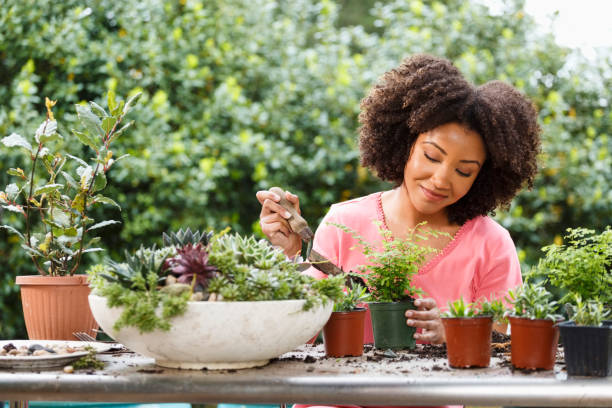
It used to be true that asthmatics were better off avoiding gardens completely. Fortunately, you don’t have to throw out your pruning shears yet. If you’re living with asthma but still want to reap the rewards of a backyard or community garden, there are a few ways you can do it. 

15 Gardening Tips For Asthmatics

1. Keep The Grass Low

Health experts advise keeping grass no higher than two inches. Believe it or not, grass is the primary culprit for spreading pollen. If you like having grass, three asthma-friendly options are St. Augustine, female cultivars of buffalo grass, and male-sterile hybrid Bermuda grasses. 

2. Avoid Fragrant Plants

Highly fragrant plants like pine, maple, lilies, and sweet peas can trigger your asthma. Better options include apple, dogwood, and pear. 

You May Also Like
Psoriatic Arthritis Can Feel Beyond Your Control. Consider a Different Direction. Learn More Here. Psoriatic Arthritis Can Feel Beyond Your Control. Consider a Different Direction. Learn More Here.

3. Choose Female Trees

The good thing about female trees is that they don’t spread pollen. Another option is to plant sterile male trees. 

4. Reconsider Hedges

Though hedges can look nice, they’re also known for collecting debris that can trigger your asthma. It’s best to cut them down. If you like shrubs, consider azalea, hibiscus, or hydrangea.

5. Replace Grass With Gravel

If it’s possible, you can replace the grass in your garden with gravel so you don’t have to deal with it at all. Other options include oyster shells or plant groundcovers, like vinca or pachysandra.

You May Also Like
Get GLP-1s Delivered to You As Low As $99/Month! Get GLP-1s Delivered to You As Low As $99/Month!

RELATED: 10 Easy-to-grow Plants to Start Your Garden

6. Wear A Mask

The experts recommend wearing a NIOSH-approved face mask, hat, glasses, gloves, and a long-sleeve shirt when you’re gardening. Doing this should significantly reduce your exposure to pollen. 
7. Choose Bee-Pollinated Plants

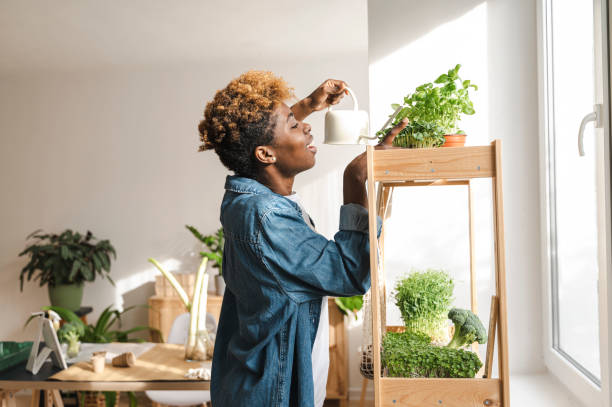
The pollen from bee-pollinated plants is usually heavier so it won’t easily bother your asthma. You can spot these plants from their large, bright flowers that are meant to attract bees.

8. Choose The Right Mulch

It’s a good idea to choose inorganic mulch over organic ones. That’s because the organic mulch can encourage mold growth which is an asthma trigger. 

9. Encourage Birds

If you don’t have the space to plant trees that will invite birds into the garden, a small bird feeder works too. Birds can reduce your exposure to insect dander while you’re outside. 

10. Garden On Low-Wind Days

Your odds of being exposed to triggers in the atmosphere will increase on windy days so try not to garden on those days. 

11. Don’t Be Afraid To Outsource

While it’s your garden, that doesn’t mean you have to do everything yourself. People with severe asthma triggers might find that it’s a good idea to get help with tasks like weeding and mowing the lawn. 

gardening tips

12. Take Your Medicine

Generally, doctors encourage you to start taking allergy medicine at least two weeks before pollen season. You should also ask your doctor if you need to change anything about your asthma medication during that time. 

13. Keep Weeds In Check

Weeds like pigweed, ragweed, and sagebrush can produce a lot of pollen. That’s why you need to keep your garden free of weeds. 

14. Check Out Pollen Monitoring Apps

The not-so-great thing about pollen is that you can’t control how much of it gets into your backyard from other places. One preventive step you can take is to check pollen monitoring apps to see what’s happening in your area. 

RELATED: Your 3-Step Asthma Attack Action Plan

15. Get A Plan From Your Doctor

Things can still go wrong even if you’ve done everything you can to avoid asthma triggers. That’s why it’s essential to get an asthma action plan from your doctor. This plan will detail what steps to take if your condition is under control, if you’re having a flare, and if you’re having severe symptoms. 

RELATED: Got Asthma? Ask Your Doctor These Questions

How It Impacts The Black Community

Though many Black people have had backyard gardens in the past, there has been a more concerted effort to build the practice as a community in recent years. This can either take the form of an individual backyard garden or a shared community garden. Having these gardens can improve Black American’s access to healthy food, build rapport, and relieve stress. If these gardens grow enough to become businesses, they can also increase your odds of building generational wealth. 

Learning how to garden while dealing with asthma may seem unrelated but the facts about the disease say otherwise. According to several studies, Black people’s higher risk of developing asthma can be directly linked to their financial status. Without good living options, they’re more likely to live in densely populated buildings that also have issues with poor outdoor and indoor air quality. Interestingly, having the right plants has been shown to improve indoor air quality so even if you’re not growing food, gardening can help you. 

As you might expect, an external garden can go a long way to improve outdoor air quality as well. If you don’t have a lot of space outside, a community garden can improve your overall health. 

Backyard and community gardening have become viable options for Black Americans to improve their health while opening up opportunities for financial growth. Given how many Black people get diagnosed with asthma, however, it might be difficult for them to take part in this movement. The good news is that there are a few steps you can take to avoid asthma triggers if you want to enjoy the benefits of a good garden.

By Karen Heslop | Published April 9, 2024

The Latest In Living with Asthma

How to Open Up Your Lungs

Breathe Easier: 10 Everyday Ways To Open Your Lungs

Lung health is vital for a person’s overall health, especially now during a pandemic when the virus is trying to attack the lungs. It's critical to improve and maintain maximum lung health. RELATED: 5 Easy Ways To Keep Your Lungs Healthy read more about Breathe Easier: 10 Everyday Ways To Open Your Lungs
Want Black Kids to Take Their Asthma Meds? Pay Them, Study Shows

Want Black Kids to Take Their Asthma Meds? Pay Them, Study Shows

Asthma is the most common chronic disease in children, with symptoms usually developing before age 5. The condition highly impacts young Black children, who are twice as likely to have asthma and face higher hospitalization and death rates than white read more about Want Black Kids to Take Their Asthma Meds? Pay Them, Study Shows
asthma symptoms

Easy Home Improvements That Reduce Asthma Symptoms

Though your lung capacity may be temporarily compromised when asthma flares up, it doesn’t necessarily have to limit how you live your life. Environmental factors are largely to blame for developing asthma, such as a frequent buildup of dust or read more about Easy Home Improvements That Reduce Asthma Symptoms

When Should You See an Asthma Specialist?

Among Americans with severe asthma, a condition that disproportionately affects Blacks, less than half see a specialist to manage their condition, research shows. Only 38 percent of severe asthma patients saw an allergist/immunologist or a pulmonologist at least once in read more about When Should You See an Asthma Specialist?
how to manage asthma in a child

Managing Your Child’s Asthma: 5 Things To Know For Back To School

It can be difficult for any parent to send their young child off back to school, especially during a pandemic, but imagine if your child had asthma. You probably would never want to let him or her out of your read more about Managing Your Child’s Asthma: 5 Things To Know For Back To School

Coming To America’s Vanessa Bell Calloway: “By The Grace Of God, I’m Still Here”

Movie and television actress Vanessa Bell Calloway, the beautiful 67-year-old, is best known for her roles in What’s Love Got to Do with It, and of course, Coming to America. While her characters on screen have interesting and complicated stories, read more about Coming To America’s Vanessa Bell Calloway: “By The Grace Of God, I’m Still Here”

Primary Sidebar

Subscribe to our newsletter

Icon

Caring for You, Too - Caregiver Workbook

1 file(s) 297 KB
Download

Trending Articles

7 Things You Should Never Do To Lose Weight!

lose weight

12 Reasons Why It Feels Like Your Heart Rate Won’t Slow Down

congestive heart failure symptoms

How to Treat Hidradenitis Suppurativa in Black People

How to Treat Hidradenitis Suppurativa in Black People

What Is Congestive Heart Failure?

congestive heart failure

5 Reasons Your Hair Texture Changes

hair texture
Find a Culturally Sensitive Doctor

Footer

Where Wellness & Culture Connect

BDO is the world’s largest and most comprehensive online health resource specifically targeted to African Americans. BDO understands that the uniqueness of Black culture - our heritage and our traditions - plays a role in our health. BDO gives you access to innovative new approaches to the health information you need in everyday language so you can break through the disparities, gain control and live your life to its fullest.

Connect With Us

Resource Centers

  • Top Blacks in Healthcare
  • Clinical Trials
  • Wellness on the Yard
  • Cancer
  • Immunocompromised Care
  • About Us
  • Privacy Policy
  • Cookie Policy
  • Terms of Service
  • Careers
  • Advertise With Us
  • Advertising & Sponsorship Policy
  • Daily Vitamina
  • TBH

Copyright © 2025, Black Doctor, Inc. All rights reserved.