The HIV/AIDS epidemic in the African American community made its “debut” in the early 1980’s and is entering its third decade as one of this country’s most critical and challenging health issue. Among African Americans, HIV/AIDS has produced especially grave outcomes.
According to the National Center for Health Statistics 2006 Report, HIV/AIDS is one of the top 10 leading causes of death for African Americans; and in the same year African Americans accounted for more than half (54 percent) of estimated new HIV infections in the United States. About 72% of new HIV infections occur in men who have sex with men, and 57% occur among African Americans.
The Centers for Disease Control and Prevention (CDC) estimates that a quarter of those living with HIV, more than 250,000 do not know they are infected.
To help answer your questions and dispel myths about a disease that continues to pervade the Black community, BlackDoctor.org recently invited noted HIV/AIDS expert Dr. Keith Crawford to host an hour-long Q&A session on Facebook. The event was an overwhelming success!
You May Also Like

Here is a complete list of the questions and answers from this dynamic, engaging conversation:
1. How often should I be tested for HIV?
Dr. Crawford: I would recommend annually if you are sexually active and practicing safe sex. You should integrate HIV screening with your routine annual medical checkups that monitor for heart disease, diabetes, kidney function, mental health, etc. Be sure to ask for it.
You May Also Like

Unfortunately, many of our medical providers are still in the Stone Age and do not offer HIV testing to their patients.
2. Is it safe for two people with HIV to have sex?
Dr. Crawford: Not necessarily. It MAY possibly be OK if both persons are on medicines controlling their HIV and taking their medicines properly. Otherwise, the medicines that work for you may not be effective against the other person’s virus so they could infect you with a different virus that’s difficult to treat.
3. If I have sexual contact with a person with HIV, does that mean I automatically get the disease too?
Dr. Crawford: No. There are a lot of factors that determine whether someone with HIV infects someone else. Some of these include:
- How much HIV is in the infected person’s blood and also their semen/vaginal fluids? One of the strongest predictors of infection is how much virus is in the infected person’s reproductive tract, which is usually related to how much is in the blood. With effective treatment, this amount of virus is dramatically reduced in the blood and reproductive tract, reducing the chance of infecting someone else.
- For men, are they circumcised? Circumcision has been demonstrated to reduce the risk of HIV transmission as well as other STD’s.
- Does the infected person have an STD? Does the uninfected person have an STD? Sexually Transmitted Diseases can increase the amount of HIV in the semen or vaginal fluids. STD’s cause inflammation making it easier for HIV and other infections to pass.
- What type of sex are you having (see question# 6 above)
- What “strain” of HIV does the person have? Across the world, there are different “subtypes” of the HIV virus and some of these types are more easily transmitted sexually that others.
These are some of the key factors involved.
4. Do you know of any programs that help HIV positive people obtain free medication or services?
Dr. Crawford: Yes. The Ryan White Care Act funds clinics throughout the US to provide free HIV medical care for individuals who don’t have medical insurance. Ask your local public health department or visit www.hab.hrsa.gov. Along with these programs, the AIDS Drug Assistance Program (ADAP) operates in all states providing HIV medicines for eligible patients.
5. Are there new strands of HiV that medication no longer works for? If so, what is being done about it?
Dr. Crawford: Whether or not HIV medicines work depends on the individual. Before starting therapy, your medical provider should do a test (called a resistance test) which tells him or her which medications are effective against their virus. Medications may not work for person particular if the person was prescribed the medicine but did not take the medicine as their provider instructed them too. Missing doses of medicine allows the virus to “escape” from the protection the medicine provides. If a person has no medication resistance, any or all the HIV medicines can potentially work.
6. Is there a specific kind of sex that gives more exposure to the disease (i.e., vaginal, anal, or oral)?
Dr. Crawford: Yes. Definitely anal sex increases the risk of infection over vaginal sex, particularly for the receptive/passive partner. Use a condom either way. Oral sex has a lower risk, but that also depends on whether the person has sores or abrasions in the mouth.
7. What is the best and most accurate way to get tested?
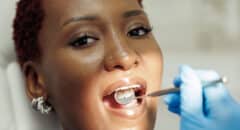
Dr. Crawford: You can get a rapid test done testing blood or saliva. They are fairly accurate. The key is to get a positive rapid test confirmed by a Western Blot test or an ELISA test. Your doctor can order these confirmatory tests. If you test negative but suspect you have been infected, it is possible the test has not detected the infection yet. Once a person is infected, the body responds by making antibodies to fight off HIV. It is these antibodies that are measured in HIV tests. It takes several weeks before these antibodies appear, so an HIV test (even the Western Blot or ELISA) would be negative early on after an infection. Two other tests, the viral load (HIV RNA) and p24 antigen tests measure other components of HIV than antibodies, and they can appear positive as early as 10 days or so. If you get a negative rapid test but are actually positive and recently infected, the rapid test should be positive in about 2-3 months.
8. I heard there was a cure for HIV somewhere in another country, but the FDA wouldnt allow it here. Is that true?
Dr. Crawford: I do not think that’s true but I don’t know for sure. We have some really good treatments for HIV but no cure yet. Finding a cure is an important area of research.
I have not had a chance to research any reports of new cures, but I will. It is very important that these claims be verified and shown to be legitimate if they are truly effective. many people get tricked into using products that don’t help them and ignore medicines that are effective.
By the time they realize this, it may be too late to save them. I do work in Africa and many of our clinics have had patients die while taking herbal medicines.
Magic Johnson is NOT cured! But he should serve as a shining example of the quality life you can have when you stay healthy and stick to your treatment. There are thousands of “Magic Johnsons”
9. The at-home HIV test was approved this year. What does this mean for HIV in our community and do you recommend self-testing?
The home test has the potential to benefit the community by making the test widely available and gets around the stigma of getting an HIV test. However, there is the potential for the test to be abused, and it’s important that people understand what the test results mean and what they should do if they test positive. I have done a full article on this topic for Blackdoctor.org that should posted today
10. If I have HIV, does that mean my child would have it, too? What are the chances for a father giving it to his child vs. a mother giving it to her child?
Dr. Crawford: If you have HIV, it doesn’t mean that your child will necessarily have it. Without receiving treatment, there’s about a 20-30% chance the baby will be infected when born to an infected mother. If you are receiving a fully-effective treatment regimen, the chances of you infecting your child fall to <1% (depending on the treatment). The father can only give it to the child if he infects the mother.
11. Are the statistics still high for HIV/AIDS in African Americans? Are we the highest group getting this disease?
Dr. Crawford: Yes! The statistics are still high for us and we are the highest group in the US who have and are getting the infection. In general, African-Americans account for about 13% of the US population, yet comprise about 50% of the cases of HIV-infected individuals. Striking increases in the number of new cases among young people between 13 and 24 years again show that African-Americans comprise the highest proportion.
12. Is it true that a woman can’t get HIV from another woman?
Dr. Crawford: Not necessarily. There is a chance of getting the infection through oral sex (cunnilingus) even though the risk is low. This is more likely if the person performing cunnilingus has sores and cuts in their mouth and the other person is infected. Also, contact with infected blood raises the risk.
13. What is the best, most accurate way to get tested?
Dr. Crawford: You can get a rapid test done testing blood or saliva. They are fairly accurate. The key is to get a positive rapid test confirmed by a Western Blot test or an ELISA test. Your doctor can order these confirmatory tests. If you test negative but suspect you have been infected, it is possible the test has not detected the infection yet. Once a person is infected, the body responds by making antibodies to fight off HIV. It is these antibodies that are measured in HIV tests. It takes several weeks before these antibodies appear, so an HIV test (even the Western Blot or ELISA) would be negative early on after an infection. Two other tests, the viral load (HIV RNA) and p24 antigen tests measure other components of HIV than antibodies, and they can appear positive as early as 10 days or so. If you get a negative rapid test but are actually positive and recently infected, the rapid test should be positive in about 2-3 months.