 Colon health is a broad and complicated subject about which many weighty books have been written. In terms of cancer prevention and overall health, the colon is one of the keys to maintaining longevity and well-being, and taking some very simple steps can significantly improve your health in the short-term and long-term.
What is the Colon and What Does It Do?
The colon or large intestine is an organ of elimination in the human body and is generally six feet long in the average adult. While the small intestine can be up to 22 feet long and is intrinsic to the absorption of many important nutrients, the large intestine does not play a large role in nutrient absorption other than some fat-soluble vitamins (like Vitamin K) and the mineral potassium. Most importantly, the colon helps to maintain the body’s water balance by reabsorbing most of the water in human feces, and this is why a person suffering from diarrhea runs a great risk of dehydration due to the amount of water that is lost in loose and watery stool.
The colon is also the organ where material that cannot be absorbed by the body is fermented by friendly flora (bacteria), and this all-important organ of elimination also removes unfriendly bacteria, parasites, and other unwanted materials from the body before they can pass into the bloodstream.
Fiber
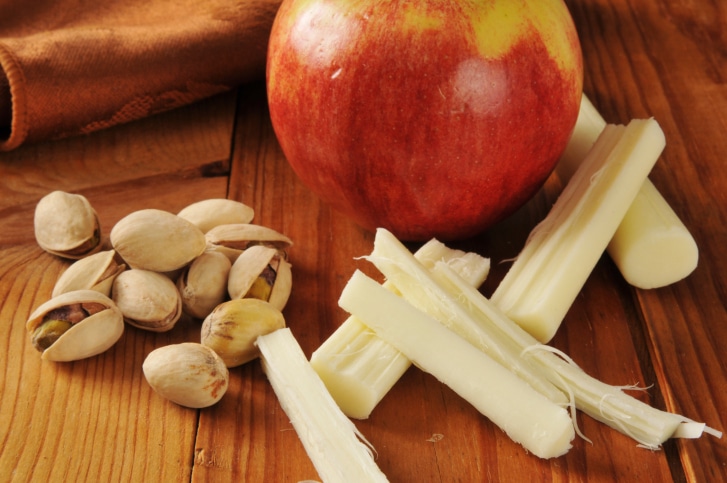
If most experts were to choose the single most important aspect of colon health, it would be fiber, also known as roughage. Fiber is basically the undigestible parts of plant-based foods that pass through your digestive system and make up a significant portion of normal human waste. Fiber is generally available through the ingestion of whole grains, nuts, seeds, legumes, fruits and vegetables.
You May Also Like

Since fiber cannot be broken down by the digestive system, it remains in the intestines and absorbs water, expanding its size within the colon. Fiber gives the colon something substantial to “hold onto”, and the action of moving roughage through the colon exercises the intestinal walls and prevents the formation of diverticuli. Diverticuli are pouch-like herniations along the intestinal wall that can slowly fill with particles and hardened balls of feces, potentially leading to problems like diverticulitis (inflammation and infection) and cancer.
In diets high in processed foods and low in fruits, vegetables and whole grains, the colon becomes sluggish, the walls become weak, and diverticulosis, constipation and other conditions can quickly become chronic.
Water
Along with fiber, water is the other most essential ingredient to colon health. Water lubricates the colon, separating sticky stool from the mucous membrane on the interior colon walls. Water also acts to stimulate hormones that promote the muscular movement of the walls of the colon, movement that is essential to the efficient transit of stool.
You May Also Like

When considering how much water to drink per day, some experts classically recommend eight tall glasses of water in every 24-hour period. Other experts offer this simple calculation: drink half of your body weight in ounces of water every day (meaning that a person who weighs 200 pounds will drink 100 ounces of water each day).
In terms of beverages, remember that tea, soda, alcohol and coffee and many caffeinated energy drinks are actually diuretic in nature. These drinks can cause excessive urination, depleting your body of fluids rather than hydrating it. And while some experts promote sports drinks like Gatorade, pure water is truly the only beverage you need for hydration—even competitive athletes.
Exercise
Whether we like it or not, exercise is recommended for the every man, woman and child, and regular exercise does indeed promote colon health and overall muscle tone. Some studies have revealed that people who exercise regularly are less likely to develop constipation, diverticulosis and colon cancer, and there is no argument that exercise is good for every system in the body.
Herbs and Supplements
Many herbs and dietary supplements (including various forms of fiber in powder or capsules) can be very helpful for maintaining colon health. Doctors of Ayurveda (an East Indian form of natural medicine), naturopaths, Doctors of Chinese Medicine, herbalists and others can all offer an enormous array of herbs and supplements to assist with promoting colon health, and there are far too many to list within this brief article. If you are indeed interested, consult a trusted health care provider for advice about supplements and herbs. There are many excellent formulas available, and this area of colon health can be confusing without professional advice.
Probiotics
Yogurt and Kefir both contain acidophilus and other “probiotics”, live cultures of “friendly bacteria” that populate the large intestine and assist with digestion. Antibiotics, although useful in fighting infections, can kill the friendly bacteria (also known as “flora”) of the intestine, and many doctors now recommend eating yogurt or kefir during and after a course of antibiotics, as well as taking probiotics in pill form. Beware that almost all yogurts contain a great deal of cane sugar, so unsweetened yogurts or those simply sweetened with fruit are best.
Colon Cleansing
Enemas, colonics and other forms of colon cleansing are still relatively popular among many people and providers. Colon hydrotherapy is a legitimate form of colon cleansing provided by certified colon hydrotherapists who generally provide a series of colonics that completely cleanse the colon of undigested material. Regular enemas are not recommended without supervision of a medical provider since they can cause dependency and a weakening of the colon muscles. Chronic constipation can be a serious health condition, and anything other than an occasional enema should truly only be undertaken with the support and advice of a health care provider.
Warning Signs and Prevention
Bloody stool, chronic constipation, diarrhea or painful bowel movements are all conditions that warrant prompt medical attention.
Colonoscopies are generally recommended for any adult over 50, so please consult a medical provider regarding recommended preventive measures.
Conclusion
As stated in the introduction to this article, colon health is a potentially complicated and multifaceted issue. However, the simple steps of increasing one’s intake of water and fiber in combination with exercise is a significant way in which the average person can prevent unnecessary disease and maintain good health.
Undertaking complicated regimens of enemas and supplements can be helpful, but the assistance of a qualified professional can substantially improve both the safety and efficacy of such an endeavor. When in doubt, water and fiber and exercise are the three pillars of colon health, and if you can focus on those three aspects of colon health throughout your lifetime, you will be doing a great deal to prevent disease, increase longevity, and live a healthier, more vibrant life.