
• Skip to main content
  • Skip to secondary menu
  • Skip to primary sidebar
  • Skip to footer
BlackDoctor.org
Where Wellness & Culture Connect

Where Wellness & Culture Connect

  • Conditions
  • Wellness
  • Lifestyle
  • Longevity
  • Clinical Trials
  • Resources
    • Generational Health
    • Top Blacks in Healthcare 2025
    • Hall Of Fame
    • Clinical Trials Resource Center
    • Obesity Resource Center
    • Cancer Resource Center
    • Wellness on the Yard
    • Immunocompromised Care
    • BDO Resource Library
  • Find A Doctor
  • BDO TV
Home / Health Conditions / Mental Health / Crazy Ways Cell Phones Are Bad For Your Health

Crazy Ways Cell Phones Are Bad For Your Health

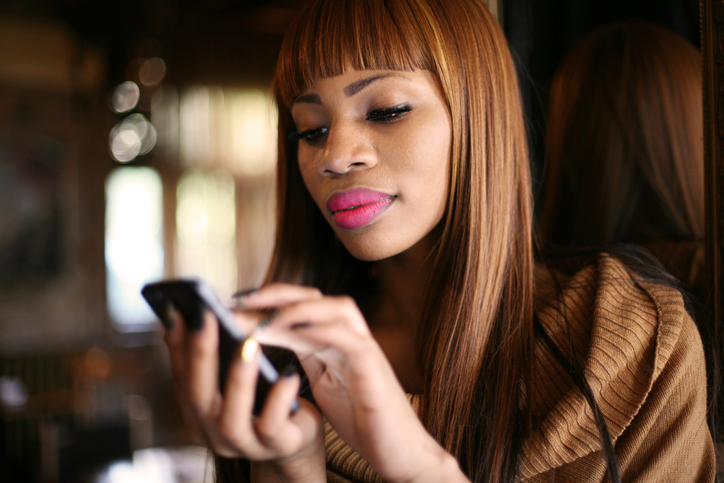
woman on cell phoneIf you’re like most people, your cell phone is practically another extension of your body. But, did you know that your little attachment can have deadly consequences? Take the Texas teenager who recently died after reportedly using her phone in the bathtub. Per family members, the 14-year-old was electrocuted after she either grabbed her cell that was unplugged or reached to plug it in.

"There was a burn mark on her hand, the hand that would have grabbed the phone. And that was just very obvious that that’s what had happened," the teen girl’s grandmother, Donna O'Guinn told KCBD-TV.

Here are three more ways your cell phone may be harming you:

Possible Cancer Link

You May Also Like

Psoriatic Arthritis Can Feel Beyond Your Control. Consider a Different Direction. Learn More Here. Psoriatic Arthritis Can Feel Beyond Your Control. Consider a Different Direction. Learn More Here.

The largest case-control study completed to date -- surrounding a possible link between cell phone use and brain tumors -- looked at more than 5,000 people who developed brain tumors (gliomas or meningiomas) and a similar group of participants without tumors. Overall, no link was discovered involving brain tumor risk and the call frequency, time, or cell phone use spanning over 10-years. Still, findings suggested a possible increased risk of glioma, and a slightly smaller risk of an increased risk of meningioma, in the 10 percent of people who used their cell phones the most.

The warnings go back as far as 2011, when the International Agency for Research on Cancer (IARC) classified cell phone radiation possibly carcinogenic, meaning there “could be some risk” of carcinogenicity.

Although there’s a good amount of conflicting research, no firm conclusions, another study suggests that, “children have the potential to be at greater risk than adults for developing brain cancer from cell phones. Their nervous systems are still developing and therefore more vulnerable to factors that may cause cancer.”

You May Also Like
Get GLP-1s Delivered to You As Low As $99/Month! Get GLP-1s Delivered to You As Low As $99/Month!

In the meantime, the FDA has suggested steps to reduce fear associated with exposure to radio frequency energy:

  • Reserve the use of cell phones for shorter conversations or for times when a landline phone is not available.
  • Use a hands-free device, which places more distance between the phone and the head of the user.

The Federal Communications Commission (FCC) also advises users to opt for a phone with a low Specific Absorption Rate (SAR) rating. An SAR rating measures “the amount of radio frequency (RF) energy absorbed by the body when using a mobile phone.”

Physical Injury

In a growing age of technology, people are tied to their cell phones whether driving, walking, using the bathroom or even having sex. The problem? According to research, people just can’t put them down, resulting in clumsiness, lack of attention, or phycological issues. A survey of smartphone owners in 2014 revealed that 86 percent of participants suffered an injury as a result of tripping, falling, or walking into a lamppost while using their phones.

But there’s more! Despite knowing the dangers of texting while driving, 98 percent are aware of the risk and 75 percent still do it, according to a study commissioned by AT&T. Furthermore, at least 50 percent of Americans surveyed (ages 18-29) use their phone while on the toilet, exposing themselves to massive amounts of harmful bacteria.

"You have in the air pathogens such as E. coli, salmonella, C. difficile, norovirus," says Canadian germ expert and Huffington Post blogger Jason Tetro. "These could get deposited onto these devices. That could then lead to either self-infection, or transmission of infection through touching somebody else."

Addiction

There’s a link between the overuse of smartphones and behavioral and emotional issues among elementary aged kids.

One study states, “Children referred to a community based pediatric mental health center were screened for smartphone addiction and related problematic behavior using the Smartphone Addiction Proneness Scale and the Korean version of the Child Behavior Checklist (CBCL). After considering factors like gender, usage, and internalization symptoms (anxiety/depression, withdrawal), variants showing the most significant correlation with smartphone addiction were usage time, internalization problems somatization, anxiety/depression, withdrawal, aggressive behaviors, and total behavior problems."

The big takeaway? While, your cell phone may be a big part of your life, there’s much to be learned about the long time effects of regular use.


By Derrick Lane | Published July 25, 2017

The Latest In Mental Health

self control

Experts Say Exercise and Self Control Might Be More Linked Than You Think

The health benefits of regular exercise are widely documented. These can include maintaining a healthy weight, reducing your risk of developing chronic health conditions such as type 2 diabetes, heart disease, and high blood pressure, promoting a better night’s sleep, read more about Experts Say Exercise and Self Control Might Be More Linked Than You Think
mental illness

12 Early Signs Of a Mental Illness

Anxiety disorders often go hand in hand with depression and other mental illnesses. People who have anxiety disorders struggle with intense and uncontrollable feelings of anxiety, fear, worry, and/or panic. These feelings can interfere with daily activities and may last read more about 12 Early Signs Of a Mental Illness
seasonal depression

Feeling SAD? 5 Ways to Combat Seasonal Depression

As the sun sets earlier and the temperature continues to drop, some of us may be fearing for the season that lies ahead. While fall and winter bring joyful holidays, like Thanksgiving and Christmas, it can also be a time read more about Feeling SAD? 5 Ways to Combat Seasonal Depression
everyday habits

5 Everyday Habits That Will Steal ALL Your Energy

The average day for the average adult is filled with enough tasks, responsibilities, and to-do lists to make it a constant challenge to stay energized. Between work, family, social commitments, and everything in between, many of us find ourselves running read more about 5 Everyday Habits That Will Steal ALL Your Energy
self-diagnosis

Self-Diagnosis or Self-Awareness? Knowing When to Seek Help

If you’ve ever scrolled through social media and thought, “Wait, that sounds like me…” — you’re not alone. Whether it’s a TikTok about anxiety, a thread on trauma, or a meme about burnout, mental health is everywhere online right now. read more about Self-Diagnosis or Self-Awareness? Knowing When to Seek Help
chaos

Thriving Through Chaos: 7 Small Changes That Make a Big Difference

To many, the concept of mental wellness can feel overwhelming, a huge goal requiring massive overhauls. However, Atlanta-based community psychiatrist Dr. Nina Joy Mena, known as Dr. NJoy, believes that a proactive approach built on small, intentional changes is the read more about Thriving Through Chaos: 7 Small Changes That Make a Big Difference

Primary Sidebar

Subscribe to our newsletter

Icon

Caring for You, Too - Caregiver Workbook

1 file(s) 297 KB
Download

Trending Articles

Stage 4 Lung Cancer: Why I Said Yes to a Clinical Trial

Stage 4 Lung Cancer: Why I Said Yes to a Clinical Trial

Top 10 Ways to Improve Your Digestion Naturally

digestion

This Clinical Trial Is Making HIV Treatment Easier for Black People

This Clinical Trial Is Making HIV Treatment Easier for Black People

A Clinical Trial Extended the Life of Women With Hard-to-Treat Breast Cancer

A Clinical Trial Extended the Life of Women With Hard-to-Treat Breast Cancer

This Reverend Wants to Change How You View Clinical Trials: “We’re Not Going to Have Another Tuskegee”

This Reverend Wants to Change How You View Clinical Trials: "We're Not Going to Have Another Tuskegee"
Find a Culturally Sensitive Doctor

Footer

Where Wellness & Culture Connect

BDO is the world’s largest and most comprehensive online health resource specifically targeted to African Americans. BDO understands that the uniqueness of Black culture - our heritage and our traditions - plays a role in our health. BDO gives you access to innovative new approaches to the health information you need in everyday language so you can break through the disparities, gain control and live your life to its fullest.

Connect With Us

Resource Centers

  • Top Blacks in Healthcare
  • Clinical Trials
  • Wellness on the Yard
  • Cancer
  • Immunocompromised Care
  • About Us
  • Privacy Policy
  • Cookie Policy
  • Terms of Service
  • Careers
  • Advertise With Us
  • Advertising & Sponsorship Policy
  • Daily Vitamina
  • TBH

Copyright © 2025, Black Doctor, Inc. All rights reserved.