
• Skip to main content
  • Skip to secondary menu
  • Skip to primary sidebar
  • Skip to footer
BlackDoctor.org
Where Wellness & Culture Connect

Where Wellness & Culture Connect

  • Conditions
  • Wellness
  • Lifestyle
  • Longevity
  • Clinical Trials
  • Resources
    • Generational Health
    • Top Blacks in Healthcare 2025
    • Hall Of Fame
    • Clinical Trials Resource Center
    • Obesity Resource Center
    • Cancer Resource Center
    • Wellness on the Yard
    • Immunocompromised Care
    • BDO Resource Library
  • Find A Doctor
  • BDO TV
Home / Health Conditions / Breast Cancer / Day 1: Just Diagnosed with Breast Cancer

Day 1: Just Diagnosed with Breast Cancer

breast cancer

Breast cancer occurs when there are cancer cells in any of the three parts of the breast - lobules, ducts, and connective tissues. These cells can spread throughout the breast and even to other parts of the body. When you’ve been diagnosed with breast cancer, however, your doctor will be intent on mapping out your way forward. Between detailing your treatment options and how to manage all aspects of your health, there are a few changes you might have to make to your life. 

1. You Might Need More Tests

Being diagnosed with breast cancer after the initial imaging test is just the beginning. Your doctor will likely need to conduct CT scans, PET scans, biopsies, and blood tests. The aim will be to find out the exact type, location, and stage of cancer that you have. This information is necessary to determine which treatment you should get.

2. You Might Need Different Treatments

The treatment options for breast cancer include hormone-based medications, chemotherapy, immunotherapy, radiation therapy, targeted drug therapy, and surgery. While the tests listed above will be used to decide on the type of treatment you need, there are times when you’ll need more than one. When you start treatment, ask your doctor how to tell if it’s not working. 

You May Also Like
Psoriatic Arthritis Can Feel Beyond Your Control. Consider a Different Direction. Learn More Here. Psoriatic Arthritis Can Feel Beyond Your Control. Consider a Different Direction. Learn More Here.

RELATED: Should you Use Cannabis to Treat Breast Cancer?

3. You’ll Still Need A Doctor After Treatment

As noted before, being treated doesn’t mean your doctor visits are over. Even if there are signs that your cancer is in remission, your doctor still needs to keep checking on you. These scheduled visits will include tests to check for signs of cancer cells throughout your body. 

4. Sleeping Well Will Be Important

Even though cancer treatments can make you tired, the discomfort can make it difficult for you to sleep. Apart from getting relaxed close to bedtime and making sure your bed is comfortable, make sure to avoid caffeine.

You May Also Like
Get GLP-1s Delivered to You As Low As $99/Month! Get GLP-1s Delivered to You As Low As $99/Month!

Relaxation exercises such as meditation and yoga can help you to get in the right frame of mind as well. It’s also fine to take naps during the day if you need them. The important thing is to get some rest. 

RELATED: Dense Breasts? This MRI Screening Can Rule Out Breast Cancer

5. You’ll Need To Exercise Regularly

Being physically active isn’t always easy when you’re dealing with breast cancer. In many cases, people who were active before being diagnosed have to slow down.

If you weren’t very active, you’ll need to take things slowly. Talk to your doctor about which exercises are best for you and

don’t be too hard on yourself if you need to take breaks. 

RELATED: Exercise Could Help Fight ‘Chemo Brain’

6. You Might Need To Change Your Diet

While there’s no specific diet for people with breast cancer, cleaning up what you eat will go a long way to keeping you healthy.

Stay away from alcohol, high-fat foods, highly processed foods, and foods that are filled with refined sugar. You’ll benefit from eating more fruits, vegetables, whole grains, and lean proteins.

7. You’ll Have To Learn To Manage Side Effects

Depending on which treatment you’re undergoing, you’ll have to deal with side effects. Some of the possible effects include fatigue, nausea, dizziness, mouth sores, and lack of appetite.

Your doctor will be able to help you with some of them but you can also do some things at home to ease them. For example, light snacking can help with nausea and ice chips can ease mouth sores. 

RELATED: So Your Chemotherapy Failed, Now What?

8. Be Prepared For Some Menopausal Symptoms

One treatment option for breast cancer is a variety of hormone-based medications. The main side effect of these drugs is that you could start feeling menopausal symptoms like hot flashes, night sweats, and weight gain. It’s best to discuss possible measures with your doctor. 

9. You’ll Need A Support System

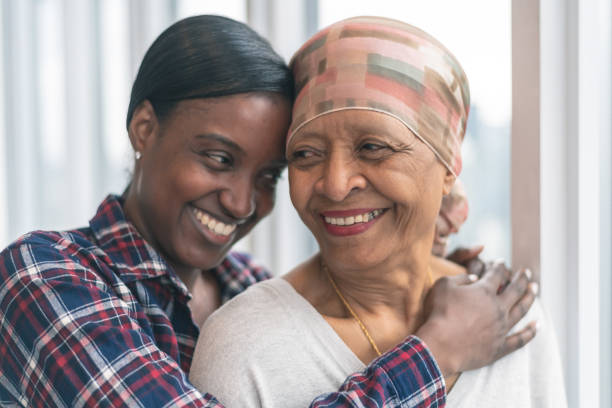
People who are dealing with breast cancer and its treatment often need a support system. Whether it’s someone to accompany you to your visits or procedures or help you around the house, you should start planning who you would like around. 

A lot may have to change after a breast cancer diagnosis but things will go well as long as you listen to your doctor. You should always make sure you understand the treatments you are going through and never change anything without talking to your doctor first.

By Karen Heslop | Published October 19, 2021

The Latest In Breast Cancer

A Clinical Trial Extended the Life of Women With Hard-to-Treat Breast Cancer

A Clinical Trial Extended the Life of Women With Hard-to-Treat Breast Cancer

An experimental hormone therapy pill has shown promise in extending the lives of women with tough-to-treat advanced breast cancer, a new clinical trial shows. The drug, imlunestrant, improved progression-free survival in patients whose breast cancer was driven by the female hormone read more about A Clinical Trial Extended the Life of Women With Hard-to-Treat Breast Cancer
breast cancer

These Two Women Are Amplifying the Voices of Black Triple-Negative Breast Cancer Survivors

While Breast Cancer Awareness is top of mind for most during the month of October, another pervasive aspect of the disease that should be spotlighted all year long is the racial disparities in healthcare, especially toward Black breast cancer patients. read more about These Two Women Are Amplifying the Voices of Black Triple-Negative Breast Cancer Survivors
clinical trials

5 Reasons to Enroll Yourself in Clinical Trials

Finding newer medicines and medical devices requires constant effort from scientists to find a better cure for patients. Clinical trials are field tests conducted on volunteers and are the final steps for a given scientific product development before bringing it read more about 5 Reasons to Enroll Yourself in Clinical Trials
family history

Make Collecting Family Health History Part Of Your Thanksgiving Plans

For some, being home for the holidays means lots of extra family time, often with multiple generations coming together to celebrate under one roof. Most likely, your conversations at this time will center around what’s new at work or what read more about Make Collecting Family Health History Part Of Your Thanksgiving Plans
Why I Did a Trial for TNBC: "It Very Likely Saved And Extended My Life"

Why I Did Clinical Trials for TNBC: “It Very Likely Saved And Extended My Life”

My cancer journey began in 2015 during a routine mammogram that revealed a mass in my breast, which turned out to be Triple-Negative Breast Cancer (TNBC), a rare and aggressive form of the disease. In my 50s and coming from read more about Why I Did Clinical Trials for TNBC: “It Very Likely Saved And Extended My Life”
dense breasts

Have Dense Breasts? Here’s Why a Standard Mammogram Might Not Be Enough

Breast cancer is the most common cancer in women globally. In the United States, about one in eight women will be diagnosed with breast cancer at some point in their lives.  Breast cancer screenings—such as self-exams and mammograms—are crucial for read more about Have Dense Breasts? Here’s Why a Standard Mammogram Might Not Be Enough

Primary Sidebar

Subscribe to our newsletter

Icon

Caring for You, Too - Caregiver Workbook

1 file(s) 297 KB
Download

Trending Articles

Weight Loss Challenge: Lose 10 Pounds In 2 Weeks!

lose 10 pounds in 2 weeks

Stage 4 Lung Cancer: Why I Said Yes to a Clinical Trial

Stage 4 Lung Cancer: Why I Said Yes to a Clinical Trial

Top 10 Ways to Improve Your Digestion Naturally

digestion

This Clinical Trial Is Making HIV Treatment Easier for Black People

This Clinical Trial Is Making HIV Treatment Easier for Black People

A Clinical Trial Extended the Life of Women With Hard-to-Treat Breast Cancer

A Clinical Trial Extended the Life of Women With Hard-to-Treat Breast Cancer
Find a Culturally Sensitive Doctor

Footer

Where Wellness & Culture Connect

BDO is the world’s largest and most comprehensive online health resource specifically targeted to African Americans. BDO understands that the uniqueness of Black culture - our heritage and our traditions - plays a role in our health. BDO gives you access to innovative new approaches to the health information you need in everyday language so you can break through the disparities, gain control and live your life to its fullest.

Connect With Us

Resource Centers

  • Top Blacks in Healthcare
  • Clinical Trials
  • Wellness on the Yard
  • Cancer
  • Immunocompromised Care
  • About Us
  • Privacy Policy
  • Cookie Policy
  • Terms of Service
  • Careers
  • Advertise With Us
  • Advertising & Sponsorship Policy
  • Daily Vitamina
  • TBH

Copyright © 2025, Black Doctor, Inc. All rights reserved.