Your morning pick-me-up may come at a price.
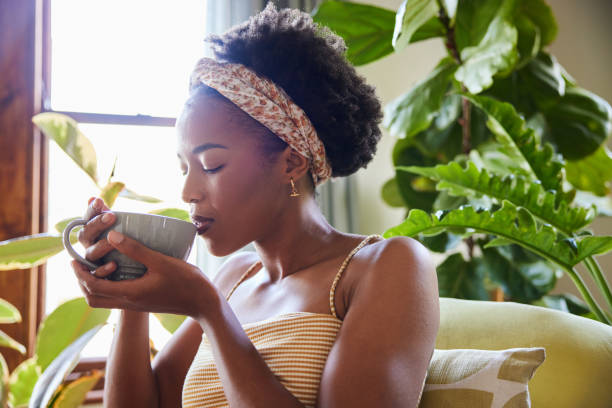
For millions worldwide, the morning ritual of brewing a cup of coffee or taking an espresso shot is something that can’t be missed. It’s sacred. The rich aroma, the warm mug, the gentle caffeine buzz–it’s great.
Or is it?
You May Also Like

Turns out, there may be many unwanted guests hiding in your steaming cup. We’re talking everything from dangerous pesticides to harmful chemicals formed when the beans are roasted.
Because coffee is one of the most heavily traded agricultural commodities, there are numerous stages where contaminants can creep in…
And yes, while it’s true that coffee has multiple health benefits like antioxidants and improved cognitive function, these potential contaminants can upset the mix.
You May Also Like

So, let’s get it right! We’ll cover everything you need to know about your morning brew to ensure you can enjoy quality coffee safely and positively without worries.
What’s Lurking in Your Morning Brew?
Pesticides
Pests are always a problem for crops, but what happens when the solution creates more problems?
As you may know, many synthetic pesticides used to protect coffee plants are actually harmful to the human body. One analysis from Food Chemistry finds various residues of pesticides like chlorpyrifos and glyphosate in non-organic coffee beans.
The issue here is that these chemicals can lead to a whole range of health conditions. They’ve been linked to neurological issues, hormonal disruptions, and even increased cancer risk over time. In Black communities, especially, higher rates of environmental toxins heighten these exposures.
Residual Solvents
If you’re sensitive to caffeine, decaffeinated coffee is always a popular choice. Except for one problem. The decaffeination process can introduce all types of unwanted solvents. In fact, many decaf coffees are processed using solvents like methylene chloride, which is classified as a possible carcinogen by the International Agency for Research on Cancer (IARC). Not good!
Moreover, even though the FDA allows trace amounts, research from the Journal of Agricultural and Food Chemistry finds detectable methylene chloride residues in various decaf coffee brands. Chronic exposure to chemicals like this is bad for the liver and kidneys, which can then worsen other chronic health conditions such as hypertension and diabetes.
RELATED: 5 Energy-Boosting Alternatives Better than Coffee
Roasting Byproducts
We all love a good roast just right, but this flavor-essential practice may be producing harmful compounds. Substances such as polycyclic aromatic hydrocarbons (PAHs) and acrylamide are two to note. When beans are roasted at high temperatures, that’s when the problems can start.
Like certain solvents, the PAHs found in darker roasts are also classified as probable carcinogens by the IARC. Research has even linked long-term exposure to increased lung cancer risk, which is already a concern in the Black community.
Then you have the compound acrylamide, which is also formed during the roasting process. This compound is another problem for coffee lovers, mainly due to its potential effects on the brain. Studies of animals find various neurotoxic and carcinogenic effects associated with acrylamide, so minimizing its intake is critical.
RELATED: 5 Incredible Benefits Of Recycled Coffee Grounds

How to Brew a Safer Cup
Now that the bad news is out of the way, let’s get into what you can start doing today. If you’re looking for simple, science-backed choices, you’ve come to the right place. Enjoying your cup of joe doesn’t have to be difficult. You can make that morning ritual not just a vital part of your day, but a healthy one too!
For starters, choose “Rainforest Alliance–Certified Beans.”
Opting for Rainforest Alliance–certified coffee is a powerful way to avoid pesticides. It also supports sustainable farming, which is always nice for the environment. When coffee carries this certification, that means it’s grown in an eco-friendly process, with precise restrictions on pesticides and other harmful practices.
Research continuously finds that Rainforest Alliance farms have significantly lower pesticide residues compared to non-certified farms. So, next time you’re coffee shopping, look for the seal. Brands like Equal Exchange and Café Bustelo are certified lines, making them great for the body and overall ethics.
Another thing you can do to minimize harmful impacts is to embrace cold-brew methods.
Cold brewing involves steeping coarsely ground coffee in cold water for 12–24 hours. By doing this, you get both a smoother taste and a health advantage. Unlike hot brewing, which leads to more PAHs and acrylamide, cold brewing minimizes the compounds. In some cases, cold-brew coffee may contain up to 30 percent lower levels of PAHs.
Cold-brewing is also gentler on the stomach, which can be a game-changer if you suffer from acid reflux. To make cold brew, simply combine one part coffee grounds with four parts cold water. Give it time to seep in the fridge, and then filter it through a fine mesh or cheesecloth. If you want something more convenient, brands like Chameleon Cold-Brew have ready-to-drink options.
And speaking of options, don’t forget to choose lighter roasts.

Lighter roasts, which are roasted at lower temperatures and for shorter times, are far healthier for you. They contain fewer PAHs and acrylamide than darker roasts, sometimes up to 50 percent less. Lighter roasts are also richer in antioxidants, such as chlorogenic acids, that help reduce inflammation and improve blood sugar regulation.
Looking to mix it up with lighter roasts? You can always experiment with Ethiopian or Colombian beans for a bright, flavorful cup.
And finally, practice coffee cup hygiene.
Many coffee mugs and reusable tumblers are like a safe haven for bacteria, mold, and chemical residues. If you don’t properly clean them, it’s like a petri dish!
Fortunately, there are easy ways to clean these breeding grounds. Wash your coffee cup daily with hot, soapy water, and never let it sit in tumblers for extended periods. If you’re using reusable straws or pour-over equipment, clean them regularly. Use a bottle brush and make sure you sanitize weekly. A simple homemade vinegar solution – one part vinegar to three parts water – will get the job done.
At the end of the day, healthier coffee is all about practice. For many of us, this beverage is more than just a drink. It’s a cultural touchstone. It’s a ritual. It’s an indispensable part of daily life, a morning practice we all look forward to.
So do it right!
In Black communities with higher rates of chronic diseases, limited access to quality healthcare, and greater exposure to environmental toxins, safer coffee doesn’t have to be difficult. Using the science-backed strategies in this article, you’ll be well on your way to a cleaner cup of joe and overall better, happier living.