
A new study found that people who ate more ultra-processed foods (UPFs) after a cancer diagnosis were less likely to live as long as those who ate less. These findings don’t necessarily mean that food alone influences cancer outcomes, but they do highlight that everyday habits, including diet, may play a crucial role in recovery.
What Are Ultra-Processed Foods?
Ultra-processed foods are products made mostly from industrial ingredients rather than whole foods. They’re designed to be convenient, shelf-stable, and highly palatable. They often contain a combination of five or more additives you typically wouldn’t cook with at home, like flavor enhancers, colorings, emulsifiers, and preservatives.
Common examples of UPFs include:
You May Also Like
- Soft drinks
- Chips and crackers
- Ice cream
- Processed meats (hot dogs, nuggets, bacon, sausage)
- Instant soups or noodles
- Candy
- Frozen ready-to-eat meals
- Many packaged breakfast cereals
Simple rule: If it’s heavily packaged and made to sit on your shelf for several months, it’s likely ultra-processed.
What the Study Actually Found
Higher consumption of ultra-processed food (UPF) after cancer diagnosis is associated with increased rates of all-cause and cancer mortality, regardless of diet quality, according to a study published online Feb. 4 in Cancer Epidemiology, Biomarkers & Prevention.
Marialaura Bonaccio, Ph.D., from IRCCS Neuromed in Pozzilli, Italy, and colleagues longitudinally analyzed 802 men and women recruited in the Moli-sani Study with a previous cancer diagnosis to examine the relationship between postdiagnostic UPF consumption and mortality. Data on food intake were obtained at baseline and assessed at an average of 8.4 years after diagnosis. Overall diet quality was assessed using the Mediterranean Diet Score (MDS).
You May Also Like

The researchers found that 281 deaths occurred during a median follow-up of 14.6 years. Multivariable (including MDS)-adjusted hazard ratios for higher UPF consumption (highest versus lowest tertiles) were 1.48 and 1.57 for all-cause and cancer mortality, respectively. The associations of UPF with all-cause mortality were attenuated by about 40 percent by inflammatory markers and resting heart rate levels taken together.
“The fact that the association between ultraprocessed foods and all-cause death persisted even after adjusting for overall diet quality suggests that the negative health effects are not explained solely by poor nutrient profiles, but that the level and nature of industrial food processing itself play an independent role in influencing long-term health outcomes,” Bonaccio said in a statement.
The enrollment phase of the Moli-sani study was partially supported by research grants from Pfizer Foundation.
Why Diet Can Affect Recovery After Cancer
After cancer treatment, your body is not just healing from the disease itself. Chemotherapy, radiation therapy, targeted therapy, and surgery can all take a toll on your health, affecting your metabolism, muscle mass, immune system, and heart.
Ultra-processed foods may work against your recovery in several ways:
- Blood sugar spikes: Highly refined carbohydrates digest quickly and can lead to repeated blood sugar spikes. Over time, this may contribute to insulin resistance, which has been associated with cancer progression in some studies.
- Inflammation: Many packaged foods contain additives that can cause inflammation. Persistent inflammation is linked to poorer health outcomes across multiple diseases, including cancer and heart disease.
- Disruption in gut health: The gut microbiome plays a large role in immune function. Diets high in UPFs and low in fiber can reduce the amount of “good” bacteria in the gut that regulate inflammation and immunity.
- Muscle loss and fatigue: Cancer treatment can cause muscle loss and fatigue over time. Eating a diet that predominantly consists of convenience foods can omit many essential nutrients needed to rebuild strength, worsening fatigue during survivorship.
It’s also crucial to note that many cancer survivors often face a higher risk of cardiovascular disease than from the original cancer. Your diet plays a significant role in that long-term risk.
Why This Matters Especially During Survivorship
Recovery is when cancer patients learn to regain their independence. It’s also when a structured diet nutrition plan disappears. Many survivors report changes in taste, low appetite, or fatigue, which can make ultra-processed foods more appealing.
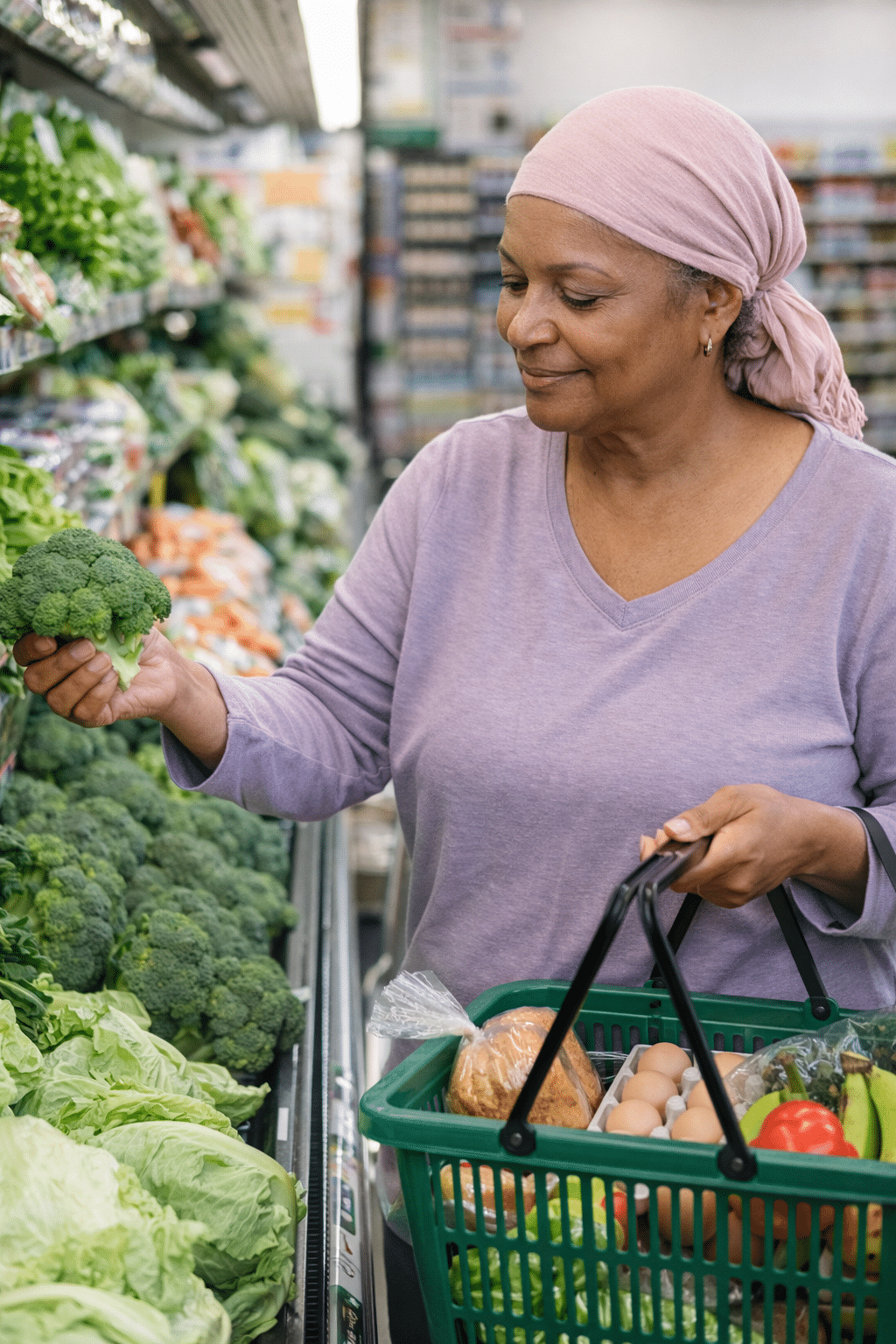
While that’s understandable, a healthy diet can ensure you meet your daily nutritional needs and make recovery much smoother. Nothing needs to happen overnight—small, consistent changes can support healing and can be more realistic and sustainable than strict diets.
What Cancer Survivors Can Do
Before you clean out your fridge and pantry, it’s recommended that you start with slow, gradual changes. Experts typically suggest adding more minimally processed foods first. Improving the quality of your diet is most effective when changes feel practical.
Here are some simple swaps you can make today:
- Soda: Flavored water or unsweetened tea
- Packaged snacks: Fruit, nuts, or yogurt
- Processed deli meats: Chicken, eggs, beans, or fish
- Frozen entrees: Simple meals built with a protein, grain, and vegetable
Helpful tips:
- Build meals around foods without long ingredient lists
- Try to include plants in most meals
- Prioritize protein to rebuild strength
- Keep convenient healthy options on hand
When to Seek Help
Every patient has varying nutritional needs after cancer treatment. Some people struggle with gaining weight, others need diabetes management, and many have difficulty with appetite changes.
It’s best to seek guidance from your healthcare provider if you experience any of the following:
- Unintentional weight loss or gain
- Ongoing tiredness affecting eating habits
- Digestive problems
- Inability to tolerate certain foods
- Other chronic conditions alongside cancer
There are registered dietitians with specialty training in oncology nutrition who can assist you with creating a tailored meal plan that can help you attain your nutritional goals and support healing in recovery.