
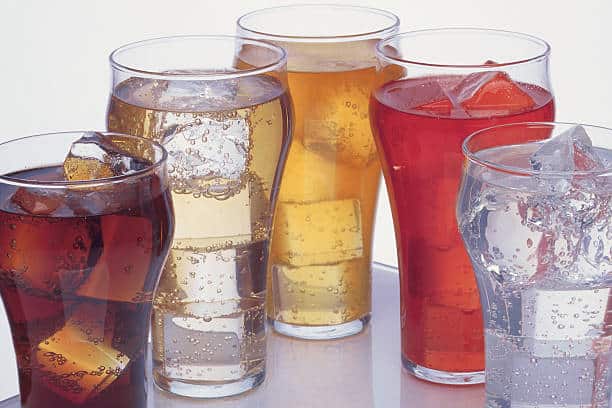
If diet sodas and regular sodas had an offspring, that beverage would be zero-sugar, zero-calorie sodas. With zero sugar and zero calories like diet soda but all of the taste, fizz, and thirst-quenching qualities of regular soda, zero soda seems like a dream come true for those watching their weight by counting calories or those who can’t have sugary drinks. They may deliver sweet satisfaction, but are they healthy? Claims on each side of the question about zero-soda’s healthiness are worth exploring before you take your next sip of this soda through a straw. Some of its qualities are beneficial while others can be harmful. Assess both options and determine if their taste carries any risks or an excessive health cost. If so, consider if that is a risk you are willing to take.
Lower sugar and no calories
Zero-sugar, zero-calorie sodas have much less sugar and calories than regular soda. How do they do it? They replace sugar with non-nutritive sweeteners (NNS). In NNS are food additives that provide the sweet taste with little to no calories or carbohydrates. When compared with the 10 to 20 teaspoons of sugar per can in regular soda, zero sugar alternatives have almost no sugar and no calories, leaving them as a winner when it comes to keeping calories low and blood sugar under control. People can have their soda and drink it too. They can achieve and maintain the big three goals related to diet sodas: reducing sugar intake, lowering calorie intake, and potentially improving blood sugar control. Or can they?
RELATED: Healthy Soda? Find Out If Prebiotic Sodas Are Right For You
You May Also Like

Risk of tooth decay
Compared to water, zero-sugar, zero-calorie sodas have a higher risk of tooth decay. Zero-sugar sodas can cause dental problems because of acid erosion, enamel damage, and ongoing sipping over time. Diet sodas have high levels of acid. High acidity erodes tooth enamel despite the absence of sugar. Acid additives, like phosphoric acid (a common ingredient that can interfere with calcium absorption), can weaken the tooth enamel. This leads to tooth sensitivity, discoloration, damage, and tooth decay experienced as cavities. Lastly, ongoing sipping of zero-sugar, zero-calorie sodas over time increases acid exposure, which increases tooth damage. Protect your teeth instead by drinking water as your dental health beverage of choice, rinsing with water after drinking soda, waiting an hour after soda consumption before brushing, then brushing twice a day and flossing to provide positive oral hygiene to maintain your teeth.

Artificial sweeteners: their health concerns
Some studies claim that artificial sweeteners used in diet sodas, like zero-sugar, zero-calorie sodas, can cause health concerns. These include: an increased risk of type 2 diabetes, cardiovascular risk, a lower threshold for clot formation, kidney disease, weight gain, and a false sense of security, along with gut microbiome alteration.
You May Also Like

Artificial sweeteners can trigger the pancreas to release insulin because of the sweet taste, although there’s no sugar. Some research also indicates an increased risk of heart attack, stroke, and coronary heart disease. Some other studies suggest that phosphoric acid and artificial sweeteners in zero-sugar sodas are connected to long-term kidney damage. Additionally, although calorie-free, other studies show weight gain when artificial sweeteners are consumed. Last, but not least, is the false sense of security that diet soda, like zero sugar zero calorie soda, is healthy. This leads to overeating or drinking other unhealthy foods and beverages that can cause weight gain.

Negative impacts on gut health
Zero-sugar, zero-calorie sodas can disrupt the balance of bacteria in the digestive tract, called the gut microbiome, and disrupt the digestive process. Disrupting the balance of gut bacteria through artificial sweeteners and non-nutritive sweeteners used to replace sugar may cause metabolic disorders like glucose intolerance and insulin resistance. These consequences of a disrupted gut are precursors to type 2 diabetes. An inflammatory response in the body and interference with the immune system’s ability to function by responding to infections are also possible. As scary as all of this is, it is important to recognize that individual responses may vary, but water, sparkling water, or non-sweet tea are all healthier drink alternatives.
RELATED: Healthy habits: 5 healthy alternatives to diet soda
May not aid weight loss
Zero-sugar, zero-calorie soda may not aid in weight loss. Worse still, it can increase cravings for sweets. The brain’s reward system is activated by sweet flavors, which increases the desire for more sweets and may contribute to weight gain. The body becomes confused and experiences feelings of hunger. Then, to satisfy the craving, the body develops an appetite, resulting in greater calorie intake. Yes, these zero-sugar zero-calorie sodas are calorie-free, but they can also cause habits that lead to weight gain if zero-soda consumers do not reduce their general consumption of sweet and processed foods and drinks.
Artificial colors, flavors, and other additives
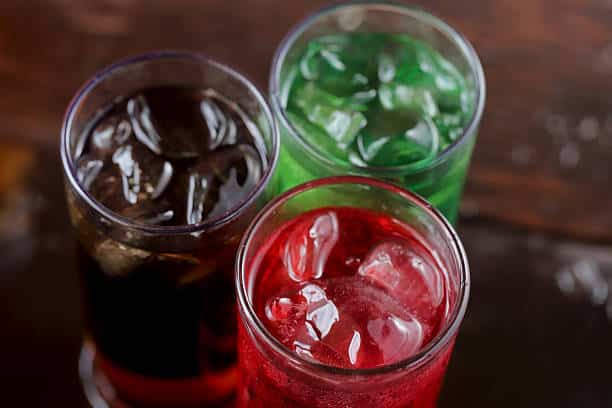
It is important to keep in mind that zero-sugar, zero-calorie sodas contain artificial sweeteners, artificial colors, and other additives. These artificial additives can have potential negative health outcomes. The artificial sweeteners, artificial colors, artificial flavors, and preservatives that make soda appealing in taste and appearance do not necessarily make it healthy. This is the trade-off. The choice is yours.
Zero sodas: worth the possible health risk?
Zero-sugar, zero-calorie sodas can be evaluated with the information presented here in terms of what zero sodas bring to the soda table. Zero sodas are a beverage with a low to negligible amount of sugar and without calories. In that way, they offer a similar alternative to regular soda like other diet sodas do. But at what cost? Your health.
In exchange for a reduced sugar intake, lower calorie intake, and possible blood sugar control, zero sugar zero calorie sodas put consumers of this kind of soda at greater risk of tooth decay, increased risk of type 2 diabetes, cardiovascular risk, possible kidney disease, weight gain, and gut microbiome alteration, among other serious health concerns.
The most troubling aspect of zero sodas, however, is not necessarily the risk of possible health problems alone, but also the false sense of security that zero soda consumers may develop from thinking it is a healthy alternative beverage and over-consuming. Instead of helping with weight loss, it can contribute to weight gain on top of the other negative health impacts, making it an unhealthy drink option for people choosing to consume zero-sugar, zero-calorie sodas to aid in weight loss.
Zero-sugar, zero-calorie sodas come at too high a health risk. They are linked to too many potential health concerns to be considered a healthy beverage option for those who choose it for weight control or blood sugar control. Do yourself a favor and give zero sodas a hard pass. Replace them with a beverage without artificial anything: water.