
• Skip to main content
  • Skip to secondary menu
  • Skip to primary sidebar
  • Skip to footer
BlackDoctor.org
Where Wellness & Culture Connect

Where Wellness & Culture Connect

  • Conditions
  • Wellness
  • Lifestyle
  • Longevity
  • Clinical Trials
  • Resources
    • Generational Health
    • Top Blacks in Healthcare 2025
    • Hall Of Fame
    • Clinical Trials Resource Center
    • Obesity Resource Center
    • Cancer Resource Center
    • Wellness on the Yard
    • Immunocompromised Care
    • BDO Resource Library
  • Find A Doctor
  • BDO TV
Home / Wellness / Womens Health / Pregnancy Complications Rising in Black Women, 5 Ways to Lower Your Odds

Pregnancy Complications Rising in Black Women, 5 Ways to Lower Your Odds

pregnancy complications

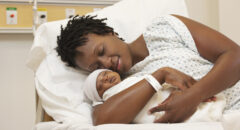
There are glaring disparities when it comes to the pregnancy complications Black women are at risk for and those numbers are only rising. According to the Blue Cross Blue Shield Association’s Racial and Ethnic Disparities in Maternal Health report:

  • Women of color are more likely to have a higher risk of pregnancy-related complications, regardless of having commercial health insurance or Medicaid.
  • Pregnancy and childbirth complications increased for all women by nearly 10% since 2018, with a marked increase during the pandemic.
  • While rates of unexpected outcomes from labor and delivery for all women rise with age, Black women ages 35-44 have a 66% higher risk of experiencing serious complications compared to white women.

RELATED: How To Deal With 4 Common Pregnancy Complications

Scarce maternity care

According to the March of Dimes, about 7 million women ages 15 to 44 cannot obtain maternity care in their area or have dangerously scarce options. Of these 7 million women, more than 1 in 3 are women of color. “We know that in 54% of all the counties in the country, there is little to no access to obstetric care,” Stacey Stewart, president and CEO of the March of Dimes, shares.

You May Also Like
Psoriatic Arthritis Can Feel Beyond Your Control. Consider a Different Direction. Learn More Here. Psoriatic Arthritis Can Feel Beyond Your Control. Consider a Different Direction. Learn More Here.

Many women feel this neglect. In a survey conducted by the Harris Poll in partnership with HealthDay, 76% of women strongly or somewhat agreed that there’s not enough focus on health care for mothers after pregnancy and birth, and 71% strongly or somewhat agreed that it feels like mothers are forgotten once the baby is born.

Other contributing factors include gaps in insurance coverage that leave mothers without prenatal or postpartum care and high rates of preexisting conditions. Offering women options to prevent unwanted pregnancies is associated with lower maternal mortality rates, adding to concerns that Roe v. Wade could have deadly implications for mothers. States with restrictive abortion laws already tend to have higher maternal mortality rates.

All of these forces disproportionately affect women of color, but Black mothers face additional, more systemic threats. “Eighty percent of our health is really determined by how we live, whether or not we have access to safe, decent housing, good nutrition, access to good care and all of those things,” Stewart adds.

You May Also Like
Get GLP-1s Delivered to You As Low As $99/Month! Get GLP-1s Delivered to You As Low As $99/Month!

Dr. Chereena Walker, 33, a hospitalist in Kansas City, Mo., and mother of two, has experienced what too many women of color can relate to: Despite her position as a trained physician, she struggled to have her voice heard by her own doctors as she experienced complications throughout each of her pregnancies.

Walker has a history of asthma, which can up the risk of complications during pregnancy. Like many other preexisting conditions linked to high-risk pregnancies, asthma strikes Black women at significantly higher rates than white women.

During Walker’s first pregnancy, an asthma flare-up at 25 weeks landed her in the hospital, where she was intubated for three days to regain control of her breathing. She found herself in the intensive care unit again during her second pregnancy after developing a respiratory virus and severely low oxygen levels. At that time, the doctors also discovered a small hole in her heart, called a patent foramen ovale, or PFO.

While she carried both pregnancies to term and brought two healthy babies into the world, Walker and her husband were fearful of trying for a third.

Many other Black mothers have stories like Walker’s, including Serena Williams, one of the most influential women in the world. After delivering her baby via C-section, Williams had a pulmonary embolism, a blood clot that travels to the lungs. In a 2018 interview with Vogue, she recounted having to advocate for her needs explicitly when a nurse attributed her symptoms to confusion induced by pain medication.

“Implicit bias stands in the way of far too many women, especially women of color, not receiving the proper treatment, and then that leading to some sort of poor maternal health outcome or even birth outcome,” Stewart shares.

RELATED: 7 Things Pregnant Black Women Can Do to Be Heard by Doctors

Preventing pregnancy complications

In addition to advocating for yourself at the doctor’s office, there are some steps you can take to avoid having a problematic pregnancy:

  • Attend Appointments Regularly. Going to all of the routine OB-GYN visits throughout the entirety of your pregnancy will allow your physician to monitor and keep track of your baby’s heartbeat, growth and overall health – as well as your overall health. Whatsmore, regularly seeing a high-risk pregnancy specialist will increase the likelihood that a medical condition or issue is detected sooner rather than later.
  • Make Your Health a Priority. Despite being pregnant, you should still make yourself a priority – primarily, your health. Extreme fatigue, high levels of stress and a poor diet are all contributing factors of serious pregnancy complications. Make sure you are getting the recommended amount of sleep (usually 7 to 8 hours a night), sticking to a healthy diet and exercise regimen and taking the time out of your day to reduce stress levels. Here’s a tip: a brief meditation practice or a brisk walk in the fresh air can help.
  • Quit Smoking and Drinking. Remember, whatever you consume, the baby does also. Preterm birth is a serious complication and direct side effect of smoking and drinking while pregnant, and it is strongly recommended that a woman quit as soon as she is trying to conceive and/or when she finds out that she is pregnant.
  • Avoid Harmful Foods. Did you know that not consuming harmful food that could hurt your baby is actually one of the most preventable measures a pregnant woman can take? Foods that contain certain bacteria, like listeria, salmonella and toxoplasmosis, should be avoided. You should also avoid unpasteurized milk and cheese, cook meat thoroughly before you consume it (no rare or medium rare steak or burgers), skip out on soft-boiled or raw eggs and avoid any undercooked poultry. In addition, be sure to wash and cook vegetables thoroughly as well.
  • Maintain a Healthy Weight. Your weight could be a make-or-break factor when it comes to pregnancy complication prevention. Overeating, eating too many sugary foods, acquiring diabetes and being overweight in general are all possible triggers of preeclampsia, a condition marked by high blood pressure that can directly affect a baby’s ability to receive blood and oxygen while in the womb. This also puts you at risk for gestational diabetes. On the flip side, being too thin and not eating enough can also be damaging. You can avoid preeclampsia, gestational diabetes and other complications by maintaining a healthy weight throughout your pregnancy. Remember to exercise regularly at your doctor’s discretion, and consume a healthy diet.
By Jessica Daniels, BDO Staff Writer | Published September 26, 2022

September 26, 2022 by Jessica Daniels

The Latest In Womens Health

preterm birth

What Moms Can Do and Should Know About Preventing Preterm Birth

The journey to motherhood is often envisioned as a smooth, predictable path, yet for many, the reality of pregnancy can bring unexpected challenges. A common pressure point for expectant mothers is the fear of preterm birth (delivery before 37 weeks) read more about What Moms Can Do and Should Know About Preventing Preterm Birth
triple-negative breast cancer

Your Risk For Triple-Negative Breast Cancer Depends On Where You’re From

For years, the common understanding around triple-negative breast cancer has been straightforward. Black American women face this aggressive cancer at higher rates than women in other racial groups. Research from the American Cancer Society (ACS) reveals a more complex story. read more about Your Risk For Triple-Negative Breast Cancer Depends On Where You’re From
douching

Is Douching Safe? Why This Common Habit Can Be Dangerous

Sisters, you’ve had a long day, maybe just got home from work or after a night out, and you notice a little odor or discharge. Your first thought? “I need to douche.” You’re not alone. Millions, yes millions, of women read more about Is Douching Safe? Why This Common Habit Can Be Dangerous
nutrients

7 Nutrients Black Women Are Most Likely Missing

Even with a balanced diet, many Black women may fall short of critical vitamins and minerals due to genetic, physiological, lifestyle, and social factors. Below are seven nutrients frequently under-recognized, their signs, challenges to absorption, and how to address them: read more about 7 Nutrients Black Women Are Most Likely Missing

Genetic Testing & Ovarian Cancer: What Black Women Need to Know

In an era where medical advancements are rapidly evolving, genetic testing has emerged as a powerful tool in the fight against cancer, particularly ovarian cancer. Dr. Kevin Holcomb, chair of Obstetrics and Gynecology at Long Island Jewish Medical Center and read more about Genetic Testing & Ovarian Cancer: What Black Women Need to Know
Dr. Jackie Walters

Married to Medicine’s Dr. Jackie Walters On What Women Get Wrong About Birth Control

Dr. Jackie Walters wears many hats. She’s a practicing OB-GYN, a two-time breast cancer survivor, and a reality TV star on Bravo’s Married to Medicine. But ask her what truly drives her, and the answer isn’t fame or cameras—it’s helping read more about Married to Medicine’s Dr. Jackie Walters On What Women Get Wrong About Birth Control

Primary Sidebar

Subscribe to our newsletter

Icon

Caring for You, Too - Caregiver Workbook

1 file(s) 297 KB
Download

Trending Articles

Weight Loss Challenge: Lose 10 Pounds In 2 Weeks!

lose 10 pounds in 2 weeks

Stage 4 Lung Cancer: Why I Said Yes to a Clinical Trial

Stage 4 Lung Cancer: Why I Said Yes to a Clinical Trial

Top 10 Ways to Improve Your Digestion Naturally

digestion

This Clinical Trial Is Making HIV Treatment Easier for Black People

This Clinical Trial Is Making HIV Treatment Easier for Black People

A Clinical Trial Extended the Life of Women With Hard-to-Treat Breast Cancer

A Clinical Trial Extended the Life of Women With Hard-to-Treat Breast Cancer
Find a Culturally Sensitive Doctor

Footer

Where Wellness & Culture Connect

BDO is the world’s largest and most comprehensive online health resource specifically targeted to African Americans. BDO understands that the uniqueness of Black culture - our heritage and our traditions - plays a role in our health. BDO gives you access to innovative new approaches to the health information you need in everyday language so you can break through the disparities, gain control and live your life to its fullest.

Connect With Us

Resource Centers

  • Top Blacks in Healthcare
  • Clinical Trials
  • Wellness on the Yard
  • Cancer
  • Immunocompromised Care
  • About Us
  • Privacy Policy
  • Cookie Policy
  • Terms of Service
  • Careers
  • Advertise With Us
  • Advertising & Sponsorship Policy
  • Daily Vitamina
  • TBH

Copyright © 2025, Black Doctor, Inc. All rights reserved.