
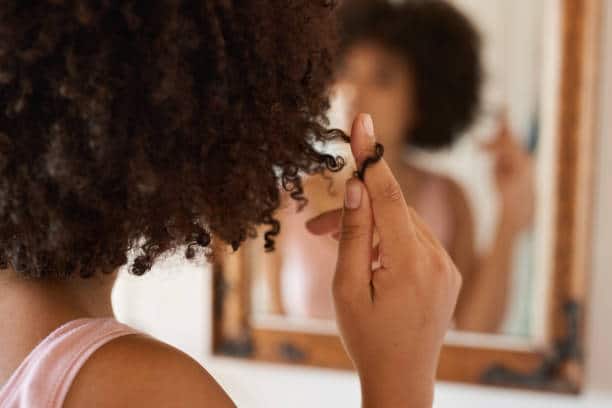
If your hair feels dull, weighed down, or just “not giving what it’s supposed to give,” it might be time for a clarifying shampoo. Whether you rock coils, curls, or a protective style, buildup from styling products, oils, and even your water can leave your hair looking flat, lifeless, and feeling itchy.
That’s where a clarifying shampoo comes in—it’s a deep-cleansing solution designed to refresh your scalp and strands. It gives your hair a clean slate.
For Black hair, textured hair, and protective styles, understanding how to use a clarifying shampoo properly is essential for both hair health and style longevity.
You May Also Like

We spoke with two experts in textured hair care—Kay Cola, founder of OrganiGrowHairCo, and Ladosha Wright, trichologist and RevAir’s resident expert—about how the best clarifying shampoos work, who needs them, and how to get the best results at home.
What Does Clarifying Shampoo Do?
Think of clarifying shampoo as your hair’s deep clean day. It goes beyond your regular shampoo to remove:
-
Product buildup from styling creams, gels, and hairsprays
You May Also Like
-
Hard water minerals that leave hair feeling rough
-
Excess oils and pollutants from the environment
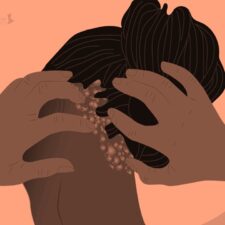
“Clarifying shampoo typically has more cleansing agents that strip away residue that accumulates on the hair and scalp over time,” Cola explains. “This is extremely important for scalp health and overall hair health.”
Unlike everyday shampoo, clarifying formulas strip away residues that regular cleansers may leave behind. For textured hair, this can prevent issues like an itchy scalp, dandruff, or product buildup that flattens curls and coils.
“This increased concentration results in a more thorough cleansing effect, leaving hair feeling firm and squeaky clean,” shares Wright.
RELATED: What They Don’t Tell You About Shampoo
Signs You Need a Clarifying Shampoo
How do you know when it’s time to clarify? Both experts emphasize that clarifying is essential for maintaining healthy curls, coils, and waves—especially if you regularly wear protective styles or use heavier products.
Both experts highlight these clear signs that you might want to add a clarifying shampoo to your cart:
-
Hair feels weighed down or flat
-
Scalp feels itchy or flaky
-
Dull appearance with little bounce or volume
-
After wearing a protective style or using heavy styling products
Cola notes: “Low porosity hair tends to accumulate buildup faster, and straight or looser textures may also need clarifying more often. High porosity or coilier textures may prefer a moisturizing shampoo between clarifying treatments.”
How Often Should You Use Clarifying Shampoo?
Overusing clarifiers can strip your hair’s natural oils, leaving it dry. How often depends on your hair type, lifestyle, and the products you use:
-
Once a month for most hair types
-
Twice a month if you use heavy stylers or live in a hard-water area
-
Every 6–8 washes if you have fine, oily hair
“For individuals working outdoors, in industrial environments, or around certain chemicals, one to two times per week, followed by a conditioner, may be necessary,” advises Wright.
Here’s a helpful tip: If you’re someone who occasionally utilizes heavier hair products for specific events, uses hair additions, or works on film sets where styling is required, Wright recommends using a clarifying shampoo immediately after removing those elaborate styles, adhesives, wigs, or hairpieces.

Choosing the Right Clarifying Shampoo for Your Hair Type
Not all clarifying shampoos are created equal. Some formulas are intense (great for major buildup), while others are gentler for regular maintenance.
-
For natural and textured hair: Try sulfate-free clarifiers to lift buildup without zapping moisture.
-
For color-treated hair: Look for color-safe clarifiers
-
For fine hair: A lighter formula can give you volume without the weight.
Avoid: sulfates, mineral oils, formaldehyde-releasing agents (DMD & Quaternium-15), parabens, PEGs, dyes, and harsh perfumes. These can irritate your scalp and disrupt natural hair health.
Look for: natural cleansing agents, antioxidants, coconut oil, hyaluronic acid, apple cider vinegar, and other gentle yet effective ingredients.
Cola’s recommended product: GrowPoo Clarifying Shampoo, formulated to cleanse without over-drying, free of harsh chemicals.
Wright’s recommended products: RevAir Detox Pre-Wash Rinse and Cleansing Oil Shampoo, featuring coconut water, apple cider vinegar, hyaluronic acid, and antioxidants for healthy, hydrated strands.
RELATED: Natural vs. Relaxed Hair: Pros & Cons
How Clarifying Shampoos Impact Natural, Protective, and Color-Treated Hair
Clarifying shampoos can have different effects depending on hair type:
Cola explains:
“Clarifying your hair will ensure the success of going natural or even getting a protective style because it lays a clean canvas for your art, which is your hair. Just like you wouldn’t want to put makeup on a dirty face. You don’t want to continue to put products on dirty hair.”
Over-clarifying can lead to dryness, scalp irritation, or faster color fade. Follow up with a good conditioner or hair oil to restore moisture.
Pro Tip: Always Follow with Moisture
Clarifying shampoos are powerful—your hair will be squeaky clean afterward, but it can also feel stripped.
“It’s like a juice cleanse for your hair,” says Wright. “You clear everything out, but you’ve got to replenish what you’ve removed.”
Kay advises: “Over clarifying can strip your hair of its natural oils and therefore cause dry hair or an overproduction of sebum. Use a gentle clarifying shampoo and stick to the recommended schedule for your hair type.”
Deep condition your hair right after with something hydrating, like RevAir’s Deep Conditioning Treatment.
How to Get the Best Results at Home
Hair care experts agree that how you apply clarifying shampoo is just as important as the product you choose.
For best results, start by applying the clarifying shampoo directly to your scalp—celebrity stylist Cola prefers doing this on wet hair, while licensed cosmetologist Wright recommends starting on dry hair for maximum product penetration.
Divide your hair into four to six sections for even coverage. Gently massage the shampoo into your scalp for 3–5 minutes, using your fingertips (not nails) to lift away product residue, excess oils, and buildup.
As you rinse, let the water carry the shampoo down your strands so it cleanses without stripping your ends. Repeat if you use heavy products or have hard water buildup. Follow with a moisturizing conditioner to restore softness, detangle, and prep your hair for styling.

The Bottom Line on the Best Clarifying Shampoos
Your curls, coils, and strands deserve a fresh start. Clarifying shampoos are a must-have for anyone maintaining textured, natural, or color-treated hair. When used correctly, they reset your scalp and hair, improve product performance, and support healthy growth. Experts like Kay Cola and Ladosha Wright recommend choosing gentle, high-quality formulas and following up with conditioner or moisturizing products to prevent dryness.
Kay emphasizes: “Consistency is everything. A healthy routine that includes occasional clarifying keeps your hair thriving.”
Next time your hair feels flat, itchy, or weighed down, remember: clarifying is not harsh—it’s a reset, a clean slate, and the foundation for your healthiest hair days.
People Also Ask About Clarifying Shampoo
Q: What is a clarifying shampoo used for?
A: Clarifying shampoo is used to remove product buildup, excess oils, and mineral deposits from hard water. It’s ideal for refreshing the scalp and strands, especially for textured or color-treated hair.
Q: How often should Black women use clarifying shampoo?
A: It depends on hair type and lifestyle. Experts recommend once a week or every other week for low porosity or straighter textures, while coarser or drier hair may alternate with a moisturizing shampoo between clarifying treatments.
Q: Can clarifying shampoo damage natural or color-treated hair?
A: Overuse can lead to dryness, scalp irritation, and faster color fading. Using a gentle clarifying formula and following up with conditioner helps prevent damage.
Q: What ingredients should I avoid in clarifying shampoo?
A: Avoid sulfates, mineral oils, parabens, PEGs, formaldehyde-releasing agents, harsh dyes, and perfumes. Look for natural cleansers, antioxidants, coconut oil, hyaluronic acid, and apple cider vinegar for gentle yet effective cleansing.
Q: Does clarifying shampoo help with protective styles?
A: Yes. Clarifying creates a clean canvas, ensuring that products sit properly and styles last longer. It’s great to use after braids, wigs, or extensions.
Q: How do I use clarifying shampoo at home?
A: Divide hair into sections, apply to the roots, massage the scalp, and rinse. Repeat if needed, then follow with a conditioner. Experts suggest applying to dry hair for maximum effectiveness.