
• Skip to main content
  • Skip to secondary menu
  • Skip to primary sidebar
  • Skip to footer
BlackDoctor.org
Where Wellness & Culture Connect

Where Wellness & Culture Connect

  • Conditions
  • Wellness
  • Lifestyle
  • Longevity
  • Clinical Trials
  • Resources
    • Generational Health
    • Top Blacks in Healthcare 2025
    • Hall Of Fame
    • Clinical Trials Resource Center
    • Obesity Resource Center
    • Cancer Resource Center
    • Wellness on the Yard
    • Immunocompromised Care
    • BDO Resource Library
  • Find A Doctor
  • BDO TV
Home / Health Conditions / Clinical Trials / Clinical Trials for a Pancreatic Cancer Vaccine Are Underway

Clinical Trials for a Pancreatic Cancer Vaccine Are Underway

Clinical Trials for a Pancreatic Cancer Vaccine Are Underway

Pancreatic cancer is a strong enemy to Black health, and it often comes with a dismal prognosis. However, a new wave of optimism is surging with the exploration of innovative vaccine therapies. These clinical trials are promising for the future of pancreatic cancer treatment, offering a potential path toward a more effective approach to ending the disease.

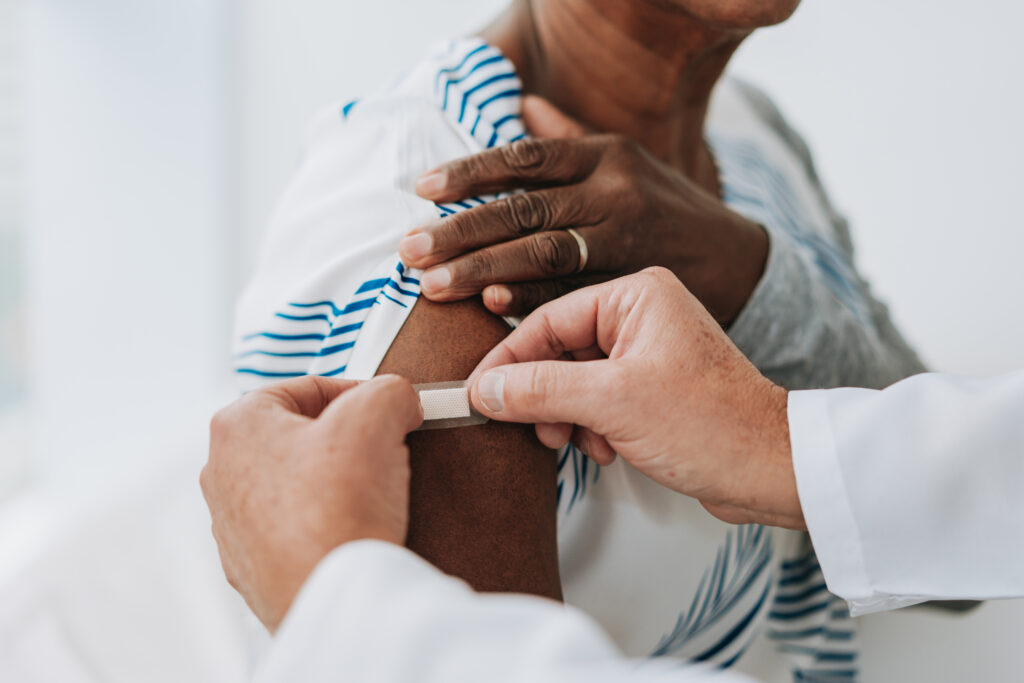
Scientists at Memorial Sloan Kettering Cancer Center are testing a special kind of vaccine made with messenger RNA, or mRNA (similar to the technology used in COVID-19 vaccines). This vaccine is designed to help your body fight pancreatic cancer cells after surgery.

This study followed patients who received this vaccine for 3 years, and in some patients the vaccine boosted cancer cell immunity for up to three years. The patients who responded well to the vaccine had a lower risk of their cancer coming back.

You May Also Like
Psoriatic Arthritis Can Feel Beyond Your Control. Consider a Different Direction. Learn More Here. Psoriatic Arthritis Can Feel Beyond Your Control. Consider a Different Direction. Learn More Here.

The difference between this vaccine and traditional vaccines is that this one is designed to help your body fight cancer cells that are already there, after surgery. It is also personalized for each patient, based on their specific tumor.

Why Black Participation in Clincial Trials is Crucial

Pancreatic cancer disproportionately affects the Black community. Black Americans are diagnosed with pancreatic cancer at a nearly 20 percent higher rate than white Americans, and their five-year survival rate is significantly lower. This disparity highlights the need for increased research efforts focused on understanding and addressing the specific challenges faced by Black patients.

Here’s why increased participation of Black individuals in these vaccine trials is critical:

You May Also Like

Get GLP-1s Delivered to You As Low As $99/Month! Get GLP-1s Delivered to You As Low As $99/Month!

  • Representation in Research: Clinical trials need to reflect the populations most affected by the disease. Including more Black participants ensures the vaccines are tested for efficacy and safety in a diverse group, leading to more generalizable results.
  • Building Trust: Historically, Black communities have been underrepresented in medical research due to factors like mistrust in the healthcare system. Active participation in these trials can help build trust and empower the Black community to take ownership of their health outcomes.
  • Tailoring Treatments: By including a diverse range of participants, researchers can gain a deeper understanding of how patients from different backgrounds respond to the vaccines. This knowledge can pave the way for tailoring future treatment strategies better to serve the Black community.

The ongoing vaccine trials mark a significant step forward in the fight against pancreatic cancer. While these trials are still in their early stages, the potential benefits are undeniable. By harnessing the body’s natural defenses, these vaccines offer a novel approach with the potential for long-term benefits. Increased participation from the Black community is crucial for ensuring the success of these trials and paving the way for a future where pancreatic cancer is no longer a death sentence.

To learn more about clinical trials for Black folks, discover our Clinical Trials Resource Center.

By Taylyn Washington-Harmon | Published June 7, 2024

June 7, 2024 by Taylyn Washington-Harmon

The Latest In Clinical Trials

Stage 4 Lung Cancer: Why I Said Yes to a Clinical Trial

Stage 4 Lung Cancer: Why I Said Yes to a Clinical Trial

In March 2020, Sheena P. was diagnosed with stage 4 lung cancer, which came as a huge shock to her and her family. She decided to participate in a clinical trial based on a recommendation from her oncologist. When they read more about Stage 4 Lung Cancer: Why I Said Yes to a Clinical Trial
targeted therapy

Clinical Trials & Targeted Therapy: How Black Breasties Can Get Access To Better Treatment

Breast cancer is a devastating disease that affects millions of women worldwide. Among the different subtypes, triple-negative breast cancer (TNBC) stands out as a particularly aggressive form, posing significant challenges for treatment. Furthermore, evidence suggests that black individuals with TNBC read more about Clinical Trials & Targeted Therapy: How Black Breasties Can Get Access To Better Treatment
are clinical trials safe

Clinical Trials: Are They Safe?

What is a clinical trial? With the coronavirus pandemic looming large in our nation and around the world, there are researchers and scientists around the globe trying to find a vaccine to immunize everyone from this deadly pathogen. In order read more about Clinical Trials: Are They Safe?
high cholesterol

Do You Have High Cholesterol? You May be Able to Join a Clinical Research Study

Sponsored by Merck Heart disease, which includes heart attacks and strokes, is the leading cause of death for adults in the United States.¹ It’s also important to note that more Black adults die from heart disease than any other racial read more about Do You Have High Cholesterol? You May be Able to Join a Clinical Research Study
cancer treatment options

A Beginner’s Guide to Understanding Cancer Treatment Options

If you or a loved one has received a cancer diagnosis, you're not alone. With approximately 1.9 million new cancer cases diagnosed annually, according to the American Cancer Society, that's roughly 5,250 new cases every day in the United States. And read more about A Beginner’s Guide to Understanding Cancer Treatment Options
clinical trial

Why You Should Join a Clinical Trial

BDO: Why is it important for African Americans to participate in clinical trials? Dr. Linda Bradley: African Americans really do need to participate in clinical trials. The new drug that we're looking at, for instance, I just wrote a paper read more about Why You Should Join a Clinical Trial

Primary Sidebar

Subscribe to our newsletter

Icon

Caring for You, Too - Caregiver Workbook

1 file(s) 297 KB
Download

Trending Articles

10 Foods Your Liver Wishes You Would Would Stop Eating

healthy liver

The 7 Most Dangerous Leftovers to Reheat Are…

leftovers

Weight Loss Challenge: Lose 10 Pounds In 2 Weeks!

lose 10 pounds in 2 weeks

Secrets For A Non-Damaging Silk Press

silk press

Stage 4 Lung Cancer: Why I Said Yes to a Clinical Trial

Stage 4 Lung Cancer: Why I Said Yes to a Clinical Trial
Find a Culturally Sensitive Doctor

Footer

Where Wellness & Culture Connect

BDO is the world’s largest and most comprehensive online health resource specifically targeted to African Americans. BDO understands that the uniqueness of Black culture - our heritage and our traditions - plays a role in our health. BDO gives you access to innovative new approaches to the health information you need in everyday language so you can break through the disparities, gain control and live your life to its fullest.

Connect With Us

Resource Centers

  • Top Blacks in Healthcare
  • Clinical Trials
  • Wellness on the Yard
  • Cancer
  • Immunocompromised Care
  • About Us
  • Privacy Policy
  • Cookie Policy
  • Terms of Service
  • Careers
  • Advertise With Us
  • Advertising & Sponsorship Policy
  • Daily Vitamina
  • TBH

Copyright © 2025, Black Doctor, Inc. All rights reserved.