
• Skip to main content
  • Skip to secondary menu
  • Skip to primary sidebar
  • Skip to footer
BlackDoctor.org
Where Wellness & Culture Connect

Where Wellness & Culture Connect

  • Conditions
  • Wellness
  • Lifestyle
  • Longevity
  • Clinical Trials
  • Resources
    • Generational Health
    • Top Blacks in Healthcare 2025
    • Hall Of Fame
    • Clinical Trials Resource Center
    • Obesity Resource Center
    • Cancer Resource Center
    • Wellness on the Yard
    • Immunocompromised Care
    • BDO Resource Library
  • Find A Doctor
  • BDO TV
Home / Health Conditions / Pancreatic Cancer / D’Angelo, Black Men, and The Silent Killer We Can’t Ignore

D’Angelo, Black Men, and The Silent Killer We Can’t Ignore

(Photo credit: Instagram fan page)

My uncle, who suffered from pancreatic cancer, said this to me one day and with everything going on right now, it quickly got brought back up to my mind: “Pancreatic cancer is one of the few cancers that often goes unnoticed until it’s too late. For Black men, that silence can be deadly.”

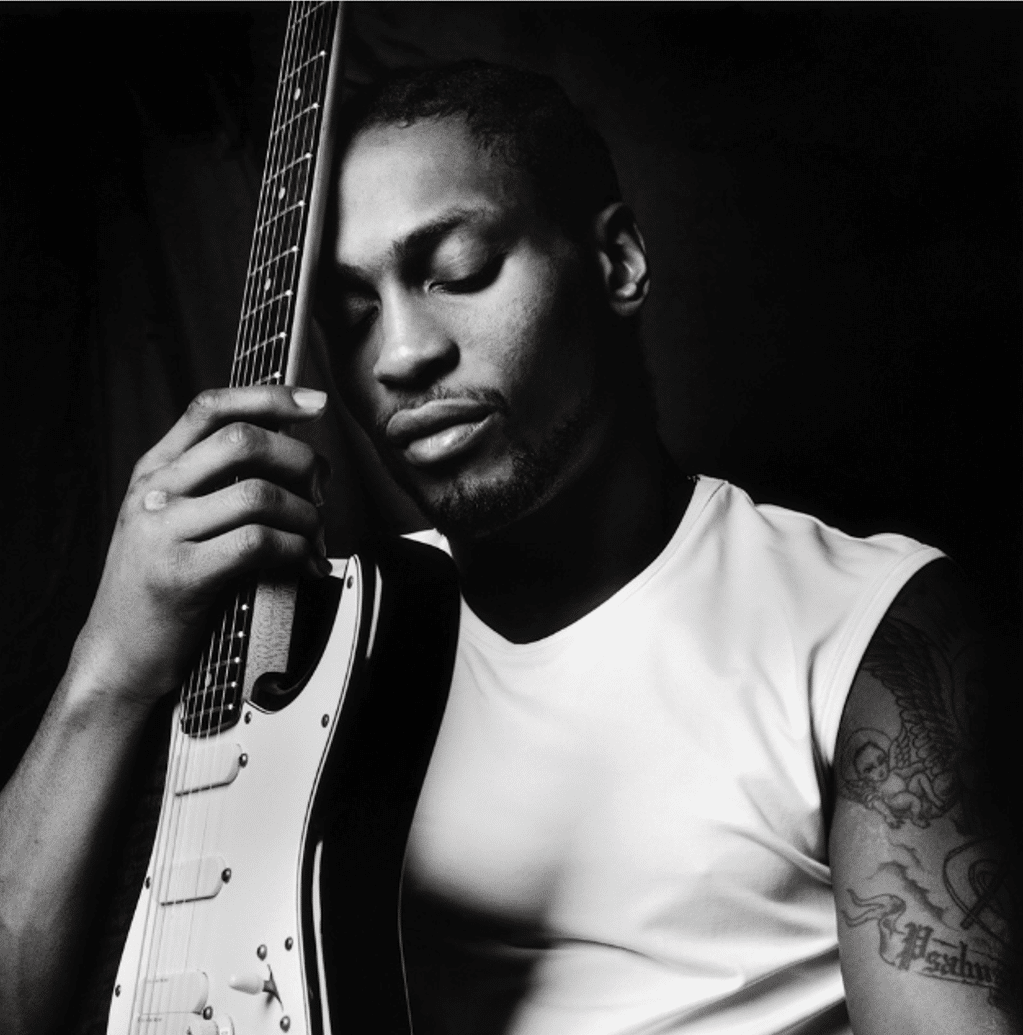
That quote couldn’t be more true after the tragic, and seemingly sudden passing of the legendary soul singer, D’Angelo, at the young age of 51. He suffered from a secret battle with pancreatic cancer that many knew nothing about. His music will, of course, continue to live on well after his passing. But could his passing serve us as well–like a wake-up call or call-to-action for Black Men to take notice of this deadly disease?

A Growing Concern in the Black Community

Pancreatic cancer is often called the “silent killer” — and for good reason. It develops deep inside the body and rarely shows symptoms until it’s advanced. But what makes this disease especially dangerous is its impact on Black men, who face higher rates of diagnosis and death than any other racial group.

According to the American Cancer Society, Black men are 30–40% more likely to develop pancreatic cancer and more likely to die from it. Awareness, prevention, and early action are critical.

You May Also Like
Psoriatic Arthritis Can Feel Beyond Your Control. Consider a Different Direction. Learn More Here. Psoriatic Arthritis Can Feel Beyond Your Control. Consider a Different Direction. Learn More Here.

Why Black Men Are at Higher Risk

Researchers are still working to understand why pancreatic cancer affects Black men more severely, but several key factors stand out:

  • Genetic Links: Inherited mutations such as BRCA2, PALB2, and ATM can raise risk — and may be more common in African American families.

  • Chronic Conditions: Diabetes, obesity, and pancreatitis are more prevalent among Black men and are known risk factors.

    You May Also Like
    Get GLP-1s Delivered to You As Low As $99/Month! Get GLP-1s Delivered to You As Low As $99/Month!

  • Barriers to Care: Delayed diagnosis, limited access to advanced care, and socioeconomic disparities often lead to later-stage detection.

  • Lifestyle Factors: Smoking, alcohol use, and diets high in processed foods also increase risk.

The truth of the matter is, early screening saves lives — especially for Black men with diabetes or a family history of cancer. So get screened and get screened early.

How Pancreatic Cancer Is Diagnosed

Because the pancreas is located deep in the abdomen, tumors are often missed until symptoms become serious. Signs to look out for include:

  • Yellowing of the skin or eyes (jaundice)

  • Persistent abdominal or back pain

  • Unexplained weight loss or loss of appetite

  • Dark urine, pale stools, or digestive changes

  • New-onset diabetes without a clear cause

If pancreatic cancer is suspected, doctors use:

  1. Imaging Tests — CT scans, MRI, or endoscopic ultrasound.

  2. Blood Tests — Checking for tumor markers like CA19-9.

  3. Biopsy — Removing a tissue sample to confirm diagnosis.

(Photo credit: Instagram fan page)

What are Black Men’s Treatment Options?

Treatment depends on how advanced the cancer is when found. Common approaches include:

  • Surgery: If caught early, a Whipple procedure or similar surgery can remove tumors.

  • Chemotherapy & Radiation: Used before or after surgery to destroy cancer cells.

  • Targeted or Immunotherapy: Advanced options that attack specific cancer cells with fewer side effects.

  • Palliative Care: Focused on pain management and quality of life for advanced cases.

Black men diagnosed with pancreatic cancer live longer when treated at major cancer centers with multidisciplinary care.”

How to Prevent Pancreatic Cancer with Your Lifestyle

While there’s no guaranteed way to prevent pancreatic cancer, the right choices can significantly lower risk:

  • Quit Smoking: Smoking doubles your risk.

  • Maintain a Healthy Weight: Abdominal fat fuels inflammation.

  • Eat Smart: Choose fruits, vegetables, fish, whole grains, and limit red and processed meats.

  • Stay Active: 30 minutes of movement a day makes a difference.

  • Watch Your Blood Sugar: Diabetes control is essential.

  • Know Your Family History: If pancreatic or breast cancer runs in your family, ask about genetic counseling and screening.

Natural Remedies and Supportive Nutrition

Natural and holistic approaches can complement — not replace — medical treatment. These options may help reduce inflammation and support recovery:

  • Turmeric (Curcumin): Anti-inflammatory and antioxidant properties.

  • Green Tea: May slow the growth of cancer cells.

  • Ginger: Eases nausea and supports digestion.

  • Cruciferous Vegetables: Kale, broccoli, and collards help the body detoxify.

  • Vitamin D: Low levels are linked to higher pancreatic cancer risk — talk to your doctor about safe supplementation.

  • Stress Reduction: Prayer, meditation, and yoga strengthen mental and immune resilience.
(Photo credit: Instagram fan page)

What Can Black Men Do Today to Take Action?

So now what? After you’ve gotten all this information, listened to some D’Angelo songs, and posted about him on your social media with a R.I.P. caption, what can you do to really make his life (and death) matter? Here are some options:

  • Ask your doctor about your risk for pancreatic cancer.
  • Get screened if you have a family history or chronic conditions.
  • Share this article with a brother, father, or friend — it might save a life.

Pancreatic cancer often strikes quietly — but knowledge can save lives. For Black men, especially those over 45 or with diabetes or a family history of cancer, early conversations with your doctor are essential. Remember, my unfiltered uncle would probably say something like this if he was still alive, “Don’t wait for symptoms. Get informed, get screened, and take control of your health, my brother.”


By Dr. Phillip Gould | Published October 15, 2025

October 15, 2025 by Dr. Phillip Gould

The Latest In Pancreatic Cancer

D’Angelo, Award-Winning R&B Icon, Passes Away at 51

The music world just became a little less soulful today. D’Angelo, the smooth, soul-sinning, super-talented, Grammy-winning R&B icon who helped launch the neo soul era in the ’90s, has passed away Tuesday after a battle with cancer, the singer’s family read more about D’Angelo, Award-Winning R&B Icon, Passes Away at 51
pancreatic cancer

5 Ways Doctors Diagnose Pancreatic Cancer

Pancreatic cancer is challenging to diagnose early because it often does not cause noticeable symptoms in its early stages. However, if a person experiences signs and symptoms that might indicate pancreatic cancer, doctors will conduct a series of tests to read more about 5 Ways Doctors Diagnose Pancreatic Cancer
african doctor examining female patient

Pancreatic Cancer: After The Diagnosis

Pancreatic cancer, which is the disease that took the life of the Queen of Soul, Aretha Franklin, is considered to be incurable. Many people who have the disease generally have a 5-10 percent chance of recovery. The chances tend to read more about Pancreatic Cancer: After The Diagnosis
Blacks Have Different Pancreatic Tumor Markers. This Is Why Our Research Matters

Blacks Have Different Pancreatic Tumor Markers. This Is Why Our Research Matters

Pancreatic cancer tumors are the third leading cause of cancer-related deaths in the United States, according to the Hirshberg Foundation for Pancreatic Cancer Research. The American Cancer Society estimates that about 67,440 people will be diagnosed with pancreatic cancer in read more about Blacks Have Different Pancreatic Tumor Markers. This Is Why Our Research Matters
A Promising Pancreatic Cancer Vaccine Is Underway

A Promising Pancreatic Cancer Vaccine Is Underway

A new study from Memorial Sloan Kettering Cancer Center shows good results for patients with pancreatic cancer. They used a personalized mRNA vaccine, which offers new hope. This pancreatic cancer vaccine shows how important personalized medicine is in combating this read more about A Promising Pancreatic Cancer Vaccine Is Underway

How Pancreatic Cancer Affects Black People Differently

In a report by the Sol Goldman Pancreatic Cancer Center, Black people have the highest risk of Pancreatic Cancer, with an incidence rate being 30 to 70% higher than other racial groups in America. Not only is the incidence rate read more about How Pancreatic Cancer Affects Black People Differently

Primary Sidebar

Subscribe to our newsletter

Icon

Caring for You, Too - Caregiver Workbook

1 file(s) 297 KB
Download

Trending Articles

Stage 4 Lung Cancer: Why I Said Yes to a Clinical Trial

Stage 4 Lung Cancer: Why I Said Yes to a Clinical Trial

This Clinical Trial Is Making HIV Treatment Easier for Black People

This Clinical Trial Is Making HIV Treatment Easier for Black People

A Clinical Trial Extended the Life of Women With Hard-to-Treat Breast Cancer

A Clinical Trial Extended the Life of Women With Hard-to-Treat Breast Cancer

This Reverend Wants to Change How You View Clinical Trials: “We’re Not Going to Have Another Tuskegee”

This Reverend Wants to Change How You View Clinical Trials: "We're Not Going to Have Another Tuskegee"

These Two Women Are Amplifying the Voices of Black Triple-Negative Breast Cancer Survivors

breast cancer
Find a Culturally Sensitive Doctor

Footer

Where Wellness & Culture Connect

BDO is the world’s largest and most comprehensive online health resource specifically targeted to African Americans. BDO understands that the uniqueness of Black culture - our heritage and our traditions - plays a role in our health. BDO gives you access to innovative new approaches to the health information you need in everyday language so you can break through the disparities, gain control and live your life to its fullest.

Connect With Us

Resource Centers

  • Top Blacks in Healthcare
  • Clinical Trials
  • Wellness on the Yard
  • Cancer
  • Immunocompromised Care
  • About Us
  • Privacy Policy
  • Cookie Policy
  • Terms of Service
  • Careers
  • Advertise With Us
  • Advertising & Sponsorship Policy
  • Daily Vitamina
  • TBH

Copyright © 2025, Black Doctor, Inc. All rights reserved.