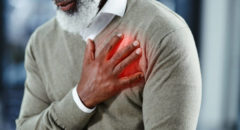

Heart conditions seldom make their presence known with loud warnings or obvious signals. Often, it starts in a hushed manner–subtle changes in breathing, energy, or pace that can easily go unnoticed in the hustle and bustle of everyday life. These first warning signs, though easy to miss, might be the body’s first subtle indicators that something isn’t quite right. Let’s explore how heart conditions can develop unnoticed, why early detection is critical, how recognizing even the slightest signs can mean the difference between preventing a crisis and experiencing one, and lifestyle adjustments that can reduce risk.
Now, you’re probably thinking to yourself, “How is it even possible to miss warning signs when it comes to the heart?” –especially because the heart is vital. The heart is our central pump, and its main function is to move blood throughout our body. Well, let’s discuss, it’s because heart conditions lack loud, dramatic symptoms–they start mild and/or nonspecific, vague, and are easily overlooked. For example, an individual might push through symptoms, assuming they’re just super tired or really anxious, but really it’s a serious heart condition that is developing slowly. This is why routine health check-ins and awareness matter so much. Learning of any heart issues or conditions early often depends on noticing subtle changes before they escalate into loud emergencies.
I bet you’ll be surprised at some of these subtle “silent” killers:
You May Also Like

- Jaw pain
- Persistent cough
- Shortness of breath
- Wheezing
- Sudden, unexplained nausea
- Mild indigestion
- Unexplained fatigue
- Unexplained sweating without physical exertion
- Fluid buildup, which leads to swelling in the legs, ankles or feet
- Dizziness/lightheadedness
- Chest discomfort/tightness
- Chest tightness when sneezing or coughing
- Sleep disturbances
RELATED: 12 Reasons Why It Feels Like Your Heart Rate Won’t Slow Down
Recognizing even the slightest signs can mean the difference between preventing a crisis and experiencing one. Heart conditions are life-threatening. Early detection is critical and matters for prevention, as intervention can greatly enhance treatment outcomes/results and reduce the risk of serious heart conditions, such as:
- Heart Failure: a chronic condition in which the heart is unable to pump enough blood to meet the body’s needs. Now, this doesn’t mean the heart has stopped working—rather, it means the heart’s pumping ability has become weaker or less efficient, causing blood and fluid to back up in the lungs, legs, and other parts of the body.
- Heart Attack (Myocardial Infarction): occurs when blood flow to part of the heart muscle is suddenly blocked, usually by a blood clot in a narrowed coronary artery. Without oxygen-rich blood, the affected heart muscle begins to suffer damage or die within minutes.
- Coronary Artery Disease (CAD) happens when the blood vessels that bring oxygen and nutrients to your heart become narrow or clogged by fatty buildup. This makes it harder for blood to reach your heart.
- Arrhythmia is a problem with the heart’s rhythm– when the heart beats too fast, too slow, or in an irregular way, which can affect how well blood is pumped throughout the body.
- Cardiomyopathy is a disease of the heart muscle that makes it weaker, thicker, or stiffer than normal, so the heart has trouble pumping blood the way it should.
- Valvular Heart Disease happens when one or more of the heart’s valves don’t open or close the way they should, making it harder for blood to flow through the heart and causing the heart to work way harder than normal.
- Cardiac Arrest is a sudden, life-threatening condition where the heart stops beating effectively, causing blood flow to the brain and body to stop.
Lifestyle risk factors significantly contribute to the onset of severe heart conditions by placing ongoing strain on the cardiovascular system. When unhealthy lifestyle habits continue over the years, they intensify and worsen each other, accelerating heart damage and diminishing the heart’s capacity to function efficiently–and this is never good for anyone.
You May Also Like


Here are some lifestyle risk factors:
- A family history of serious heart conditions
- An unhealthy diet, high in saturated fats, trans fats, sodium and cholesterol
- Lack of regular physical activity / everyday movement
- Chronic stress
- Obesity
- High cholesterol
- High blood pressure
RELATED: Heart Attack Vs. Heart Failure: Here’s How To Tell The Difference
Embracing healthier lifestyle choices can play a pivotal role in reducing these health risks and enhancing heart health over the long term.
Lifestyle adjustments that can reduce the risks of heart conditions:
- If you smoke, quit! Smoking damages the blood vessels, raises heart rate, raises blood pressure, increases blood clots, and lowers oxygen to the heart.
- Eat a balanced diet(fruits and vegetables, proteins, whole grains, healthy fats)
- Engage in regular exercise(walking, running, swimming, biking, playing sports, etc.)
- Maintain a healthy weight(eat smart, participate in everyday movement, etc.)
- Manage stress(organize your day, sleep well, exercise, practice relaxation techniques, find creative outlets, etc.)
- Limit alcohol intake, as it slowly weakens the heart muscle, triggers abnormal heart rhythms, can raise stroke risk and promotes inflammation.
Practical steps for monitoring heart health:
- Schedule regular checkups/consult with a trusted healthcare provider, especially when experiencing chest pain, fainting or severe weakness, coughing up foamy mucus that’s pink or white, rapid or irregular heartbeat.
- When being active (running, walking, working out, climbing stairs, etc.) notice tolerance. Ask yourself if these activities feel harder to do than they normally would.
- Pay attention to symptoms. Are you experiencing unexplained dizziness, chest discomfort, swelling, or unusual fatigue?
- Keep track of your blood pressure, blood sugar, cholesterol and body weight. These numbers give you early cues about heart health and any potential risks that you may be facing.
- Occasionally, check your pulse, as this will help you notice if your heartbeat feels unusually fast, slow, or even irregular.
Heart conditions may develop subtly, yet their consequences can be life-altering when left unnoticed. By identifying the initial signs, paying close attention to your body’s signals, and consulting with a trusted healthcare provider before minor changes become major problems, you gain a powerful advantage over these silent killers. Awareness is not about fear–it’s about being prepared. Spotting the initial signs of heart conditions early can save lives, safeguard long-term health and wellness, and turn subtle signs into opportunities for early intervention– timely care, treatment and prevention.