
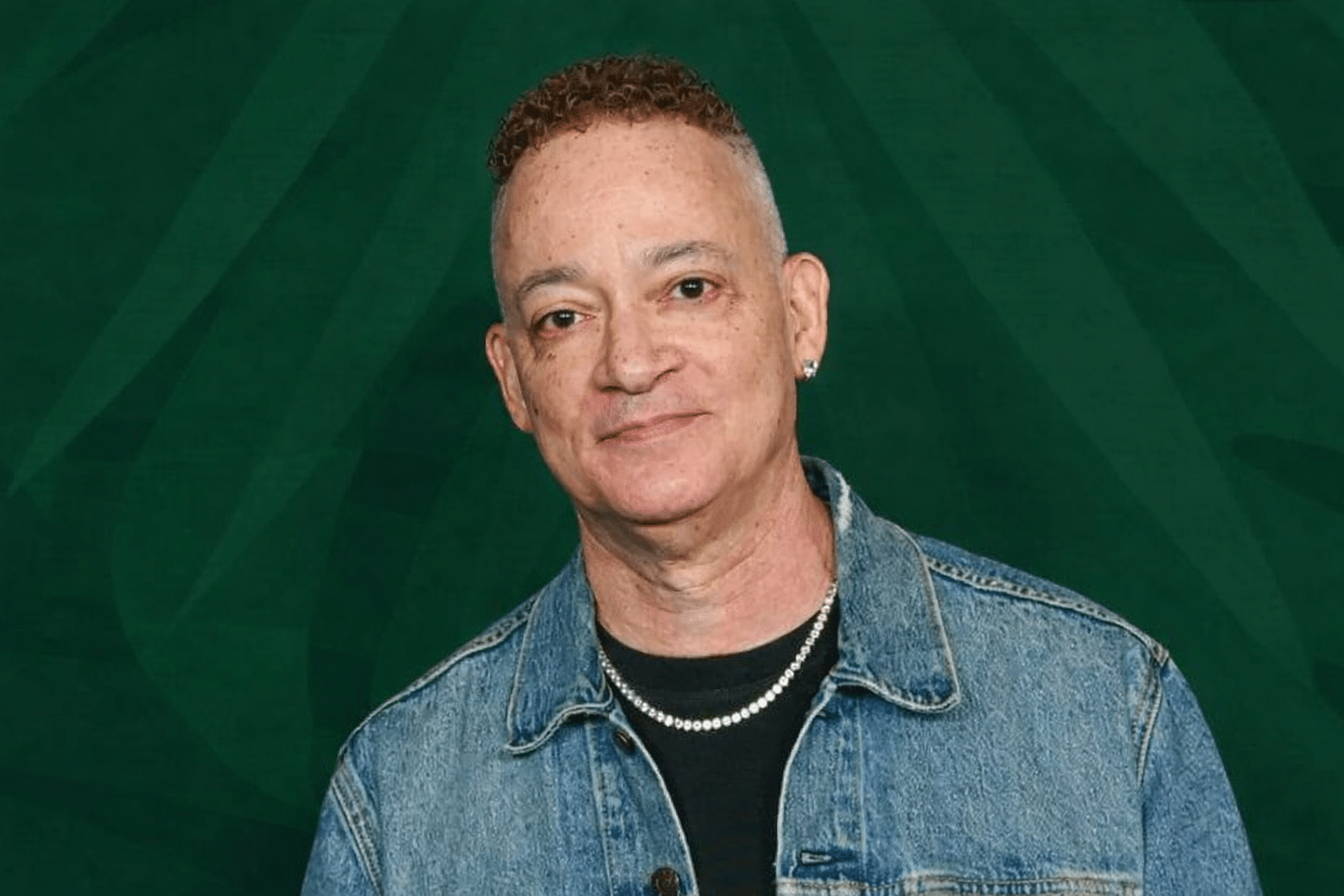
 Christopher “Kid” Reid of the legendary hip-hop duo Kid N’ Play has a second chance at life
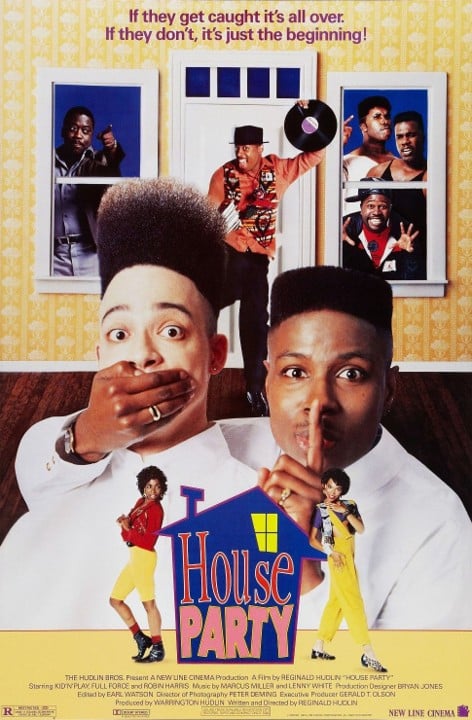
The hip-hop icon known for his high-top fade, the hit “House Party” movie series, and countless hip-hop hits alongside Christopher “Play” Martin, is recovering after undergoing a heart transplant.
“New year, new heart, new vibration,” Reid said in a sit-down with Good Morning America’s Michael Strahan that aired on Feb. 5.
“I’m still here by the grace of God and an incredible medical team,” Reid said. “This new heart gave me another chance.”
You May Also Like

What Were His Symptoms?
Reid said initially, he began experiencing fatigue and shortness of breath, which he said he attributed to getting older.
“I think sometimes you kinda just chalk it up to, you know, ‘I’m gettin’ older,’ you know, ‘The road is harsh,'” he said.
Eventually, when his symptoms intensified last summer, Reid said he visited an emergency room, where he received his diagnosis.
You May Also Like
Reid said he was first given medication to treat the condition, but at a three-week follow-up appointment, his cardiologist grew concerned.
“He came in very swollen again, and that is a little unusual in somebody who’s been started on treatment, for the swelling to come back that quickly,” Erika Jones, Reid’s cardiologist, told “GMA.”
That evening, instead of flying across the country for a performance as Reid had planned, Jones urged him to stay put and ran additional bloodwork.
“The blood work confirmed my suspicion. It showed that his heart was failing, and it was starting to affect his other organs,” Jones said.
How You Can Spot Symptoms that May Need a Heart Transplant
Just like Kid, there are some symptoms that are just “different” than normal heart disease that you may need to look into. A heart transplant isn’t considered for mild or even moderate heart disease—it’s usually discussed when heart failure is advanced and no longer responding to standard treatments. The symptoms that raise red flags are essentially signs that the heart can’t pump enough blood to meet the body’s needs.
Here are key symptoms and warning signs that may signal a need to evaluate for a heart transplant:
Severe, persistent heart failure symptoms:
- Shortness of breath at rest or with minimal activity
- Waking up gasping for air or needing to sleep upright
- Extreme fatigue that makes basic daily tasks difficult or impossible
- Inability to exercise at all (even walking across a room)
Fluid overload that won’t improve:
- Swelling in the legs, ankles, feet, abdomen, or even face
- Rapid weight gain from fluid retention
- Frequent hospitalizations for fluid buildup despite medications
- Persistent cough or wheezing, especially when lying down
Poor blood flow to organs:
- Cold hands and feet
- Dizziness or fainting
- Confusion or difficulty concentrating
- Low urine output or worsening kidney function
- Loss of appetite, nausea, or abdominal pain due to liver congestion
Dangerous heart rhythm problems:
- Life-threatening arrhythmias that continue despite medications or implanted devices
- Repeated shocks from an ICD (defibrillator)
- History of sudden cardiac arrest
 Failure of all other treatments:
Symptoms persist despite:
- Maximum tolerated medications
- Implanted devices (pacemaker, ICD, CRT)
- Prior heart surgeries or procedures
- Need for continuous IV medications or mechanical heart support (like an LVAD) just to survive
Overall decline in quality of life:
- Dependence on others for basic care
- Frequent hospital stays
- Inability to work or function independently
- A Fact Everyone Should Remember….
Having these symptoms does not automatically mean a transplant is needed, but they often prompt referral to an advanced heart failure or transplant center for evaluation. Some patients improve with newer therapies or mechanical support, and transplant is considered only after careful screening.
What He Hopes to Happen After Sharing His Story
Reid was told a heart transplant was his only option and he was put on the waitlist. Eight days after he was put on the list, he received the call that a heart was available.
“If I do get this gift, I intend to respect it and really live life to the fullest,” he said, looking back on the wait for a new heart.
By sharing his story, Reid hopes people will focus on putting their health first and keep up with doctors’ visits.
“A lot of times, we don’t go because we don’t want the bad news, or we too busy just hustlin’, trying to make it from day to day,” he said. “And we … feel like we don’t got time, or we’ll get over it. Well, you might not.”
What’s Next for His Recovery?
Immediately after surgery (first days–2 weeks)
Where: ICU → step-down unit → transplant floor
What it’s like
-
On a ventilator briefly, then breathing on your own
-
Chest tubes, IV lines, pacing wires
-
Pain and soreness (managed closely)
-
Very close monitoring of heart function, blood pressure, and labs
Big focus
-
Making sure the new heart is working well
-
Preventing infection and early rejection
-
Starting anti-rejection (immunosuppressive) medications
Most people are sitting up and walking short distances within a few days.
Early recovery (weeks 2–8)
Where: Hospital → nearby housing → home
What to expect
-
Gradually increasing activity and stamina
-
Frequent clinic visits (often weekly at first)
-
Regular heart biopsies or blood tests to check for rejection
-
Adjusting medications and doses
-
Fatigue is very common
Restrictions
-
No driving at first
-
Lifting limits (usually nothing >10 lbs / ~4–5 kg)
-
Careful wound care and infection precautions
Rehabilitation & rebuilding strength (2–6 months)
What improves
-
Energy and breathing usually improve dramatically
-
Swelling decreases
-
Walking becomes easier; exercise tolerance increases
What continues
-
Cardiac rehabilitation program
-
Ongoing medication management
-
Gradual return to daily activities and possibly work
Many people describe this phase as “getting their life back”, though progress isn’t perfectly linear.
Long-term recovery (6 months and beyond)
Daily life
-
Most patients return to independent living, travel, hobbies, and exercise
-
Some return to work or school
-
Life expectancy and quality of life are often much better than before transplant
Ongoing care
-
Lifelong immunosuppressive medications
-
Regular follow-ups (less frequent over time)
-
Continued monitoring for:
-
Rejection
-
Infection
-
Kidney problems
-
High blood pressure, diabetes, or cholesterol
-
Transplant coronary artery disease
-
Reid rose to fame in the late 1980s as part of the platinum, fun-loving rap duo, Kid ’N Play. The twp became known for playful lyrics, positive energy and mainstream appeal. In addition to his rapping and movie career, Reid has appeared on a number of television programs, including Martin and Sister, Sister, and has served as the host of amateur contest shows, such as Your Big Break and It’s Showtime at the Apollo. Reid also tours as a stand-up comedian.
Reid’s most recent musical contribution has been writing the theme song to HBO’s Real Time with Bill Maher. He also appeared on the VH1 reality magician game show Celebracadabra in 2008.