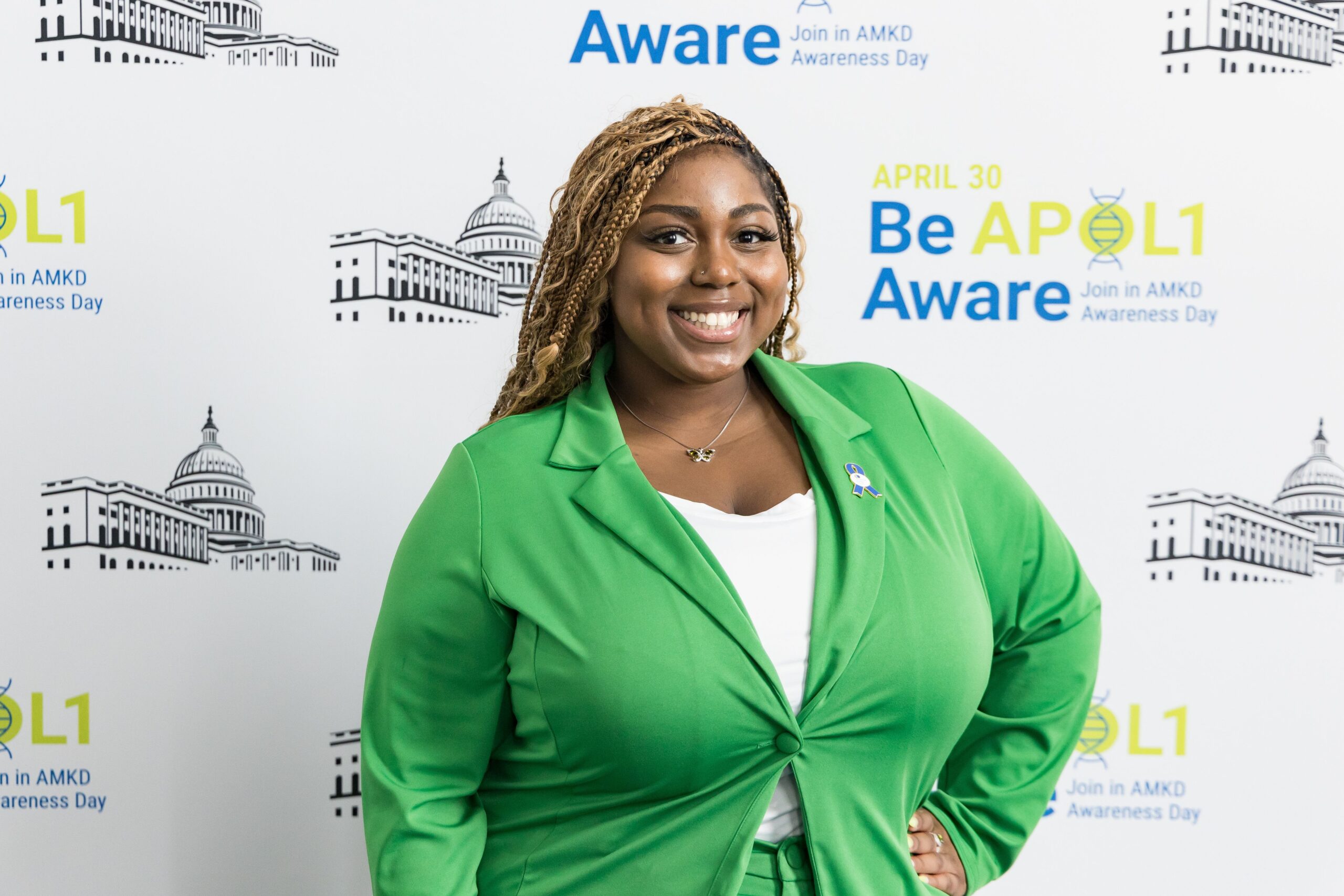
As a 17-year-old high school student, Emani McConnell-Brent never expected to face a life-changing diagnosis, however, during the first week of her senior year of high school, she began experiencing debilitating stomach pain prompting her to go to the emergency room.
“The ER doctor said, ‘Hey, the amount of protein in your urine is concerning, so let's do a 24-hour urinalysis.’ After that, she said, "The amount of protein in your urine is overwhelming at this point, and I'm extremely concerned." We did the biopsy a few weeks or a few months later, and that’s when I got diagnosed with FSGS (focal segmental glomerulosclerosis) in 2021,” she shares
Before being diagnosed with FSGS, "a rare type of kidney disease that causes scarring in the filters of the kidneys", doctors were concerned Emani may have had lupus or nephrotic syndrome, a chronic kidney disease.
You May Also Like
“They didn't know what was going on. When I went to the first nephrologist, the concern was that the condition was brought on by obesity. So, I went to a different nephrologist to get a second opinion and see what could be done,” Emani adds. “They put me on medications, but three medications later, my doctor finally said, ‘Let's get genetic testing because nothing seems to be working. We're not seeing any decrease in the protein you're spilling, your creatinine level, and all the other indicators.’ So, she said, ‘OK, let's get genetic testing.’”
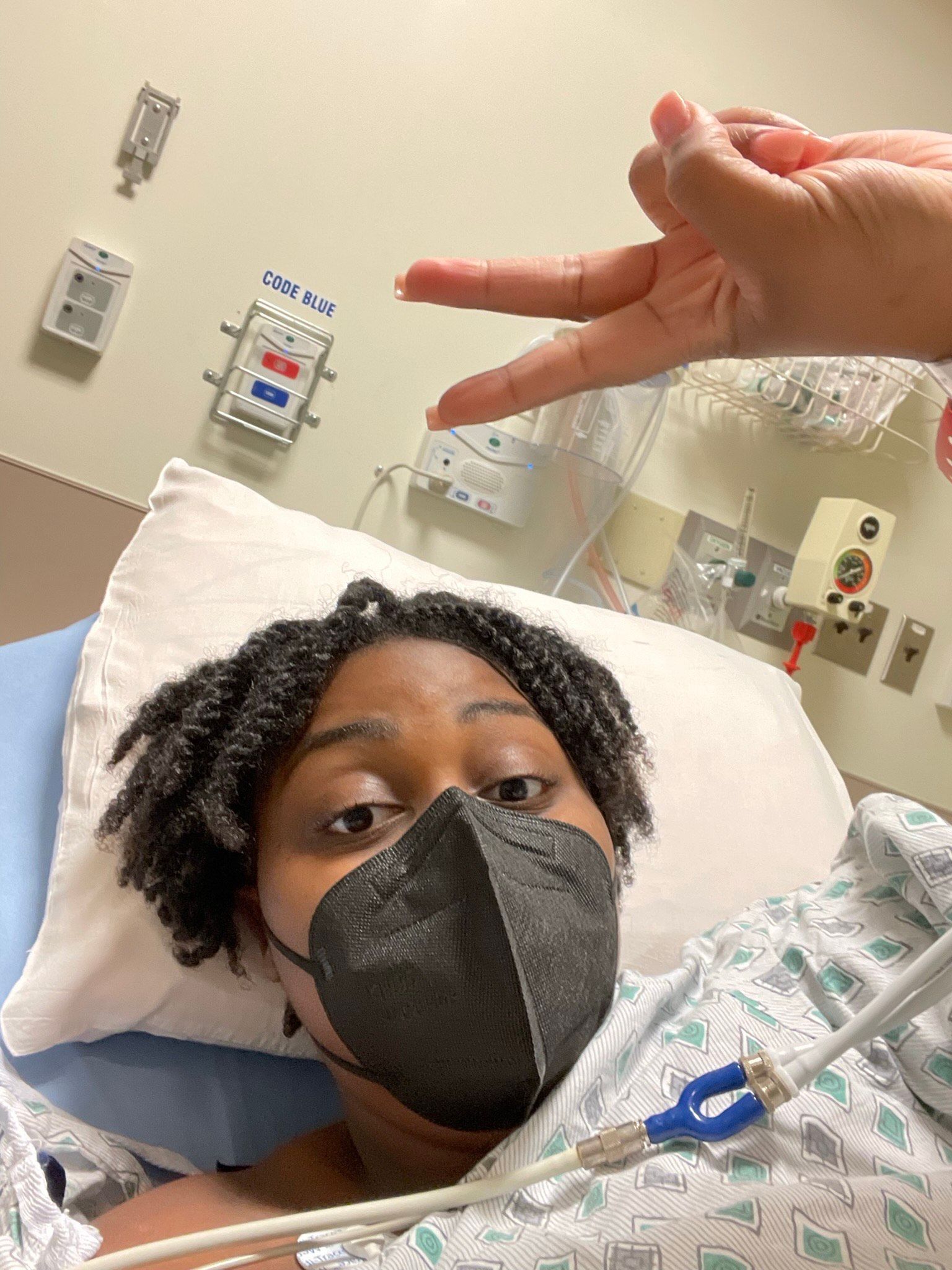
The genetic tests revealed Emani had the APOL1 gene, a genetic variation that mostly impacts Black, African American, Afro-Caribbean, and Latino populations. As a result, she developed APOL1-mediated kidney disease (AMKD), a rare and rapidly progressing form of kidney disease.
The diagnosis shocked Emani, as it was something she had never heard of before. It left her in a state of denial, and feeling like her life was being turned upside down.
You May Also Like

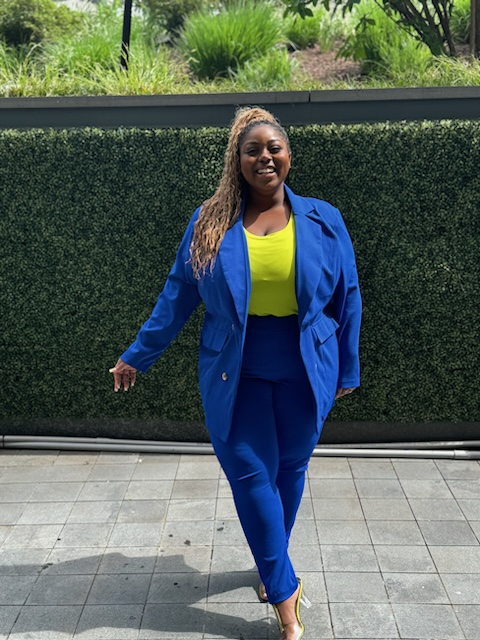
"I remember telling my friend, 'Hey, I got diagnosed with FSGS. It's called focal segmental glomerulosclerosis, and my kidneys could fail.' She was like, 'I don't know what any of that means, but if you need a kidney, I got you.' Nobody really could identify with what I was going through, and some of my friends felt like I fell off the face of the earth, which I kind of did. I didn't want to talk, think about it, or consider how all my friends and peers were going off to college while I had to stay home. It was very depressing and scary, and I did not know what to do,” the now 20-year-old shares.
But as Emani began to learn more about the disease, she realized that she wasn't alone. There were others out there who were going through the same thing.
“I had a senior project, and I decided to do it on FSGS and the APOL1 mutation because I was depressed and didn't want to do anything, it was beyond senioritis. I decided to put that energy into something that mattered to me. I ended up passing that biology course with an A and graduated high school with a 4.5 GPA. I think it was all because I decided to shift my energy,” she shares.
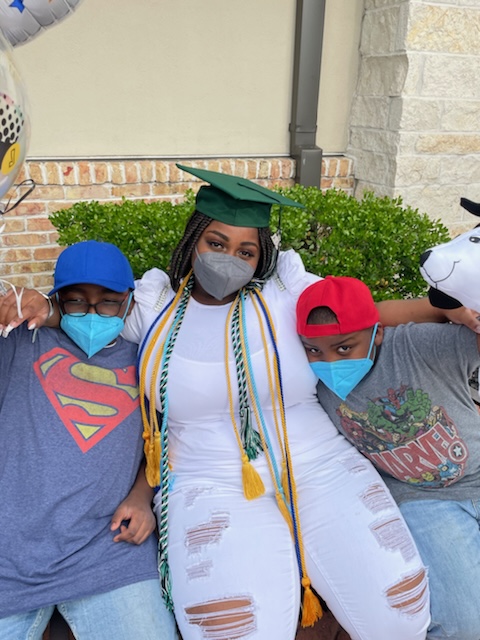
“After I realized I wasn't going to die, which is what people immediately think when they're diagnosed with something like that, I knew I had to do something with my life. It was up from there,” she adds.
With this realization, Emani decided to become an advocate with the American Kidney Fund, not only for herself, but for others facing similar situations.
“As I began to advocate for myself, I realized that there was a lack of awareness about FSGS. Many people didn't know what it was, or how it affected people. I felt like I had to educate myself, and then share my knowledge with others. Through my advocacy work, I have met other people who have been diagnosed with FSGS, and we have formed a community of support,” she shares.
She hopes to inspire others to take charge of their health through advocacy.
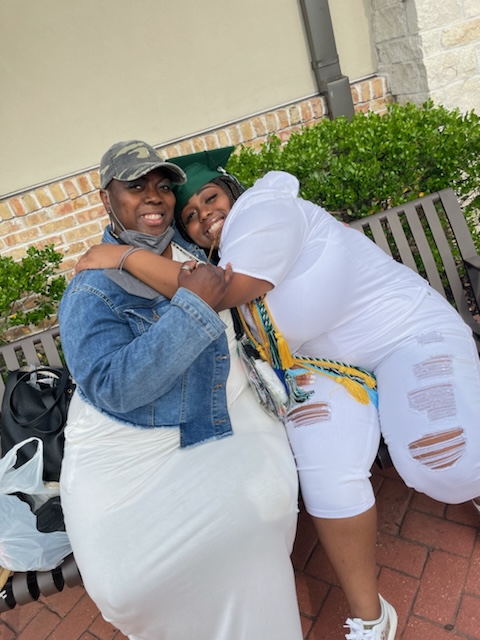
“I started advocating for myself so much because it wasn't until I got a second opinion that I realized nobody knows what you're feeling more than you do. You first have to learn not to ignore your own symptoms… It is your job to say, 'No, I want to take it however far I need to ensure that I'm OK.'That is why I share my story because I need others, particularly in the Black community, to understand the history with medicine. I want us to not just take 'You're OK' or 'No' for an answer. Let's not take the basics as an answer. I want us to go the extra mile for ourselves,” she adds.
Because we each inherit two copies of the APOL1 gene, one from our mother and one from our father, Emani also understands the importance of having family health conversations.
“That's another reason why I speak out because my family may not know what FSGS is or what the APOL1 mutation is. They had no idea what I was talking about because oftentimes in Black families… generations before this it was just you grew old and you passed away. No one ever thought to get a genetic test to see if maybe there's a reason why kidney failure runs in the family,” Emani says.
“Kidney failure does not run in my family. My mother does not have the APOL1 gene mutation, nor does my father. But they came together, and their two alleles made the mutation. So, it was important for me to say, 'Hey, you guys should get this checked out,' because maybe it's not even the APOL1 gene mutation. Maybe it's something different that is important for you to know,” she adds.
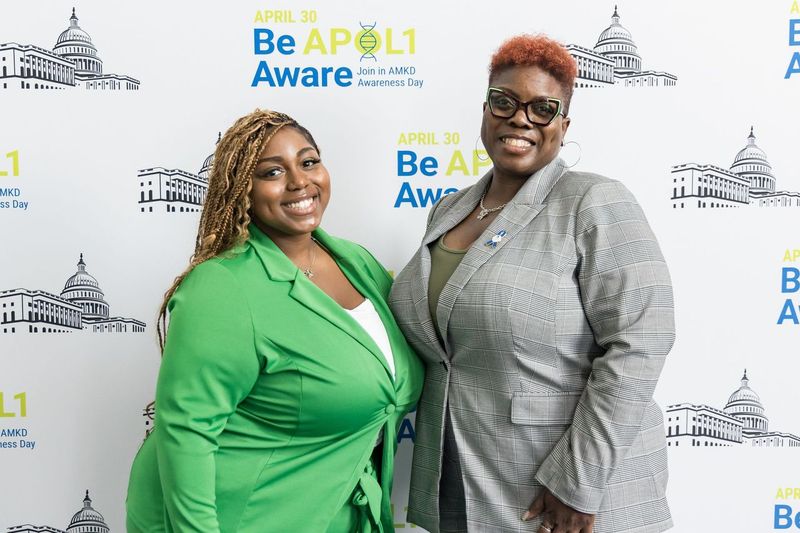
Unfortunately, most people aren’t as fortunate to get genetic testing because it's not often covered by insurance. “We came out of pocket for mine. And some family members weren't as fortunate to do that,” Emani notes.
By sharing her story, Emani hopes to break down the stigma surrounding kidney disease and create a sense of understanding.
"The misconception is that it is a Black person’s disease. This is not just a Black person’s issue. Of course, the roots are from Africa or people of Latino heritage; however, everyone on this earth has the potential to be affected by FSGS or AMKD. Because the truth is, there are so many people who have gone into kidney failure or have kidney disease, and they think it's one thing, but it's actually AMKD," Emani notes.
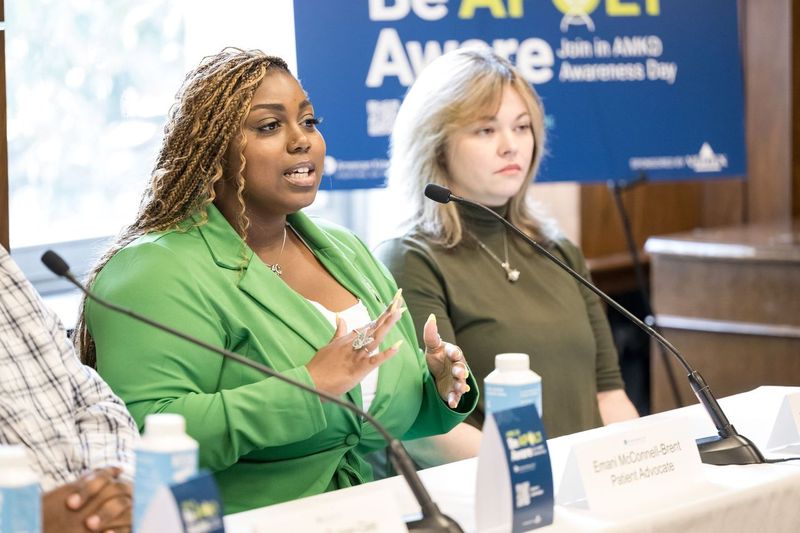
Emani hopes her story will inspire others to share their stories as well.
“My advice is share your story. There's somebody out there feeling those same exact feelings that you're feeling and going through the same thing and they feel alone because this disease or anything you experience in life is not just for yourself, it's for you to understand that you can get through it,” she says.
Emani also offers the following tips for others facing a rare disease:
- Get Outside: “At the beginning, when I got diagnosed, I was inside. I wanted to be under the covers. If there was a rock for me to be under, that was okay for me. But you have to get some sun, you have to go outside, hear some birds chirp, feel the wind blow, and talk to people."
- Stand Strong in Your Faith: “I'm very strong about God and Christianity and all of His goodness.”
- Embrace Therapy: “Immediately when I got diagnosed, my mom threw me into therapy because I was experiencing some emotions that were not fair for a 17-year-old to be experiencing. And then I experienced some emotions even far after my diagnosis, some resentment, some fear, feeling unsure. I have a therapist, backed by my mother, who has been extremely supportive throughout the whole process, from before I got diagnosed to now. She's been supportive, and she was a very vital instrument in my situation.”
Although Emani isn’t entirely certain what the future holds, she’s certain it includes more advocacy work.
“I think the best part about my advocacy work is that it's genuine and authentic. I can't possibly make this up because it is a real-life experience that I had to go through,” she adds. “So, I guess the way I see it evolving in the future is that it reaches millions. I hope to have just one person say, 'You helped me be brave enough to advocate for myself and to tell the doctors that I appreciate your opinion, but this is really what I want, and this is what will calm my nerves if I get this type of testing or if I get this type of blood work.' If there can just be one person who says I have impacted them in that way, I will be okay.”
She also wants to create a nonprofit to help people who have experienced AMKD or FSGS.
“I know that because I've experienced it. There are certain things that we may need, like sometimes a push to get out of the house to walk, or maybe even funding for therapeutic services,” she concludes. “Something like that, I would definitely enjoy, because I truly feel like it's your job to do the most you can with what you have. If the cards you've been dealt include AMKD or any other disease, your job is to live your life to the fullest with that diagnosis."