When most people picture a heart attack, they think of a man clutching his chest, gasping for air — that dramatic TV moment we’ve all seen a hundred times.
But for women, especially Black women, it often looks nothing like that.
Signs of heart attack in women can creep up on you quietly — a deep fatigue that won’t go away, shortness of breath when you climb the stairs, a strange pressure in your chest that feels more annoying than painful. We brush it off, call it stress or hormones, and keep it moving.
You May Also Like
But here’s the truth: heart disease is the number one killer of women in the U.S., responsible for about 1 in 5 female deaths — and Black women face even greater risk, according to the CDC.
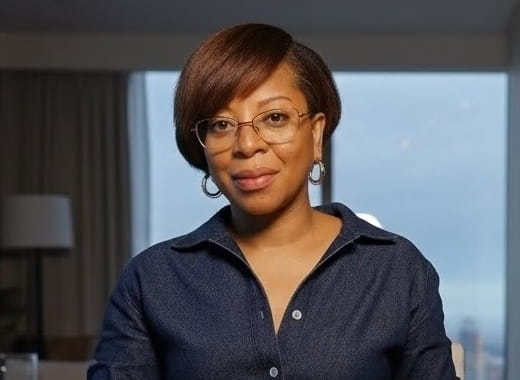
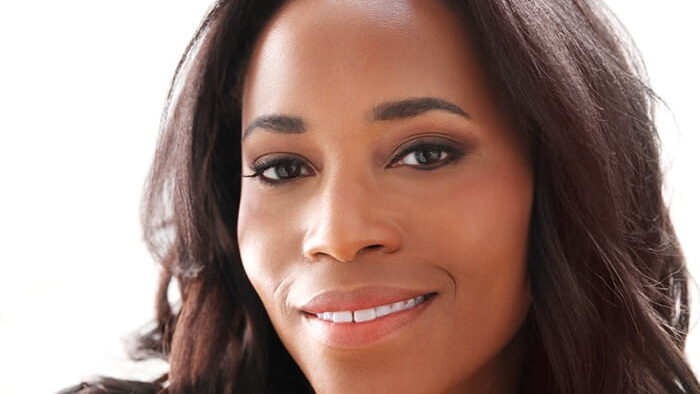
To break it all down, I spoke with Dr. Jayne Morgan, MD, a cardiologist and vice president of medical affairs at Hello Heart. She explained how heart attack symptoms in women can show up differently, and why we can’t afford to ignore them. Knowing what’s normal and what’s not could literally save your life.
What the Signs of a Heart Attack in Women Can Look Like
“Many people think of crushing chest pain as the hallmark of a heart attack,” Dr. Morgan says. “But in women, symptoms can be more subtle. They often include:
You May Also Like
- fatigue
- shortness of breath
- nausea
- back or jaw pain
- lightheadedness
These female heart attack symptoms might come on gradually, or just feel like “something isn’t right.” Because they mimic other conditions — stress, indigestion, anxiety — they’re easy to miss or dismiss.
And when you add in the fact that women, especially Black women, are taught to push through pain and handle everything? It’s a dangerous mix.
“We’ve been socialized to be strong and keep going,” Dr. Morgan explains. “But when your body is sending distress signals, strength means stopping and speaking up.”
RELATED: Heart Attack Vs. Heart Failure: Here’s How to Tell The Difference
Heart Attack Symptoms in Women Often Start Subtly
Many signs of heart attack in women appear days or even weeks before the event, but they’re often brushed off as stress or fatigue. Most women who’ve had heart attacks later say they noticed something felt “off” days or even weeks before it happened.
“That’s the tricky part,” says Dr. Morgan. “The symptoms can overlap. But if you’re feeling a kind of fatigue or shortness of breath that’s new, unexplained, or getting worse — especially with activity — it’s worth getting checked out.”
So, if your everyday routines suddenly feel exhausting — walking to the dog, doing laundry, climbing stairs — that’s your heart asking for attention.
Look out for:
-
Sudden or unexplained fatigue
-
Trouble sleeping or feeling restless
-
Mild chest discomfort (pressure or fullness)
-
Shortness of breath during normal activity
-
Swelling in the legs or ankles
“These may not feel like a medical emergency,” Dr. Morgan says. “But they can be red flags. Your heart doesn’t fail suddenly — it whispers first. The key is to listen.”
RELATED: Myths About Black Women & Heart Disease

Why Black Women Face Higher Heart Attack Risks
For many Black women, the higher risk of heart disease comes down to what experts call the “weathering effect” — the physical wear and tear caused by chronic stress.
“Black women’s bodies age faster due to increased stress, inflammation, and constantly navigating a race- and gender-conscious society,” says Dr. Jayne Morgan, cardiologist and medical expert at Hello Heart.
That ongoing strain raises blood pressure, fuels inflammation, and can lead to earlier menopause — meaning Black women lose estrogen’s heart protection sooner.
The result: higher rates of hypertension, diabetes, and heart disease. And because stress can blur the signs of heart attack in women, Black women are often diagnosed later, according to the CDC’s report on Racial and Ethnic Disparities in Heart Disease study.
RELATED: How Caregiving is Making Black Women Sicker
Yes, Younger Women Are at Risk Too
Heart attacks aren’t just a midlife problem.
“More women under 50 are showing up with heart issues — and they’re often the ones who least expect it,” says Dr. Morgan.
Things like smoking, high blood pressure, high cholesterol, pregnancy complications, and hormonal shifts all play a role. Prevention starts with paying attention.
What to Do If You Think You’re Having a Heart Attack
If you ever feel “off” with signs of heart attack in women—sudden nausea, jaw or back pain, shortness of breath, dizziness, or fatigue — don’t wait. Call 911 immediately. These are among the recognized heart attack symptoms for women, according to the CDC.
“Ask for an EKG,” Dr. Morgan urges. “Women’s heart attack symptoms may look different, and that can delay treatment.”
Say it out loud to the medical staff: “I’m concerned this could be my heart.” You know your body better than anyone else — trust that.

Everyday Ways to Protect Your Heart
Dr. Morgan says, “Don’t wait for symptoms,” and recommends these small steps that make a difference:
-
Move daily. Even 30 minutes of walking can help your heart.
-
Know your numbers. Track your blood pressure, cholesterol, and blood sugar.
-
Take a heart risk test. Try Bayer’s 2-minute heart assessment at SeeYourRisks.com.
-
Prioritize rest and peace. Sleep, therapy, prayer, boundaries — whatever helps you regulate stress is heart medicine.
RELATED: How to Make Your Heart Stronger At Every Age
FAQ: Heart Attack Signs in Women
What are the first signs of heart attack in women?
How are women’s symptoms different from men’s?
How do I know if it’s heartburn or a heart attack?
Can stress trigger a heart attack?
Are Black women more likely to die from heart disease?
What’s one thing I can do right now for my heart?
The Bottom Line on Heart Attack Signs in Women
The signs of heart attack in women aren’t always obvious, but they’re your body’s way of saying, “Hey, pay attention!”
For Black women, especially, the mix of stress, bias, and lack of awareness makes those warning signs even easier to miss.
As Dr. Morgan reminds us, “You know your body better than anyone else. If something feels off, don’t ignore it. You deserve care that listens, and a heart that lasts.”
Expert Insight: Dr. Jayne Morgan, MD, is a cardiologist and the vice president of medical affairs at Hello Heart. She’s also an on-air medical expert and passionate advocate for women’s cardiovascular health.