• Skip to main content
  • Skip to secondary menu
  • Skip to primary sidebar
  • Skip to footer
BlackDoctor.org
Where Wellness & Culture Connect

Where Wellness & Culture Connect

  • Conditions
  • Wellness
  • Lifestyle
  • Longevity
  • Clinical Trials
  • Resources
    • Generational Health
    • Top Blacks in Healthcare 2025
    • Hall Of Fame
    • Clinical Trials Resource Center
    • Obesity Resource Center
    • Cancer Resource Center
    • Wellness on the Yard
    • Immunocompromised Care
    • BDO Resource Library
  • Find A Doctor
  • BDO TV
Home / Health Conditions / Respiratory Syncytial Virus (RSV) / Does Your Child Have a Cold or Severe RSV? Signs to Look For

Does Your Child Have a Cold or Severe RSV? Signs to Look For

signs of rsv in children

As most American parents already know, cases of respiratory syncytial virus (RSV), a common illness of childhood, are surging this year. Hospitals are filling up with babies and toddlers very ill with the easy-to-catch illness, which is coming back with a vengeance after lying low during the pandemic.

RELATED: RSV in Children is on The Rise: What Parents Need to Know

But RSV can be deceptive: It starts out looking like any other childhood cold, and for most kids who get it, RSV remains mild.

You May Also Like
Psoriatic Arthritis Can Feel Beyond Your Control. Consider a Different Direction. Learn More Here. Psoriatic Arthritis Can Feel Beyond Your Control. Consider a Different Direction. Learn More Here.

But severe cases do occur. Doctors aren't even sure why one child has a mild case, while another requires hospital care. Each year, up to 80,000 U.S. children are hospitalized due to severe RSV, according to the U.S. Centers for Disease Control and Prevention.

What's different this year?

Dr. Jessica Ericson is a pediatric infectious disease specialist at Penn State Health Children's Hospital in Philadelphia. She said the 2022-2023 RSV season seems to have started very early, with cases showing up in August and September.

RELATED: Your Young Child Is Sick: Is it COVID or RSV?

You May Also Like
Get GLP-1s Delivered to You As Low As $99/Month! Get GLP-1s Delivered to You As Low As $99/Month!

"Also, what's really different is the number of children who have these viruses and who are sick enough to be admitted to the hospital," she said in a Penn State news release. These are "children who need oxygen and need to be admitted to the intensive care unit," Ericson explained.

It's most probably a "backlog" of sorts happening: Kids who normally would have contracted RSV over the past two seasons instead were sequestered at home and told to wear masks and distance themselves if they did mingle. "Now that we've stopped doing that, those children are now encountering RSV and other viruses for the first time," Ericson noted.

RELATED: Doctors Answer Your Questions About RSV

Early signs

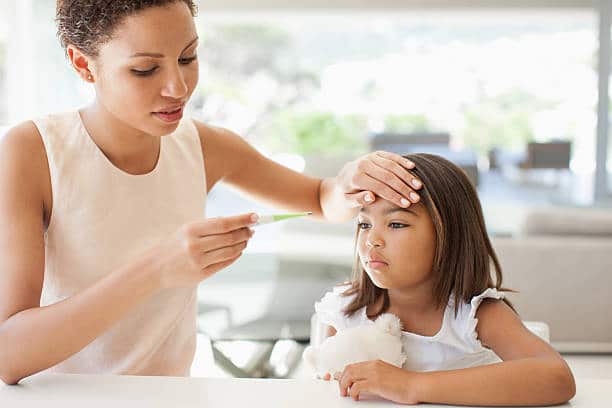
There are signs and symptoms to look out for, but in the beginning, RSV presents with the humdrum signs of colds, flu, or COVID: runny nose, congestion, coughing and fever. Diarrhea, a lack of appetite and headaches can also appear.

All of that means that "there's no way to tell at home or even in your doctor's office if a child has RSV or influenza or COVID or some other virus, without a test," Ericson said.

But because their respiratory passages are so much smaller than that of older kids or adults, very young kids and babies are much more likely to get a case that develops into something severe. When that happens, patients may require oxygen or even a ventilator to help them breathe.

RELATED: RSV: Is Your Baby At Risk?

"The elderly can sometimes have serious problems from RSV also, particularly the very elderly, cancer patients and adults who have immune system problems," Ericson added. "But mostly, it's small children."

Again, most cases will just look like a cold, and then improve over time. In this situation, it probably doesn't make sense to test the child for RSV (a nasal swab test), since there's no good treatment other than rest, proper nutrition and hydration.

Signs of severe RSV to look out for

Certain symptoms could mean a child's RSV is getting worse, however.

"When you start seeing clues that it's something more than a cough," Ericson said. "When a child is coughing so hard they vomit, or when they're coughing so hard, they can't eat. For a little baby who's breastfeeding or being fed from a bottle, if their nose is so stuffed up that they can't take the milk, they can end up becoming dehydrated or develop nutrition problems. They need to see a doctor."

RELATED: Do Your Kids Really Need Cough & Cold Meds?

Breathing is the biggest issue to monitor, she said.

"Breathing fast, breathing hard. Breathing hard in a baby looks like they're using their belly to help get air in and out of their lungs. Their skin is sucking in between their ribs with each breath," Ericson explained. "Their head might be bobbing as they're trying to use their body to pull air into their lungs."

If difficult breathing like this commences, it's time to call a doctor, because the child may need "supportive care."

"That means we help their body do whatever it can't do because of the illness," Ericson added. "So, if they can't eat, we give them nutrition through a tube down their nose or intravenously. If they're dehydrated, we'll give them fluids. If they can't get enough oxygen, we'll give them oxygen. If they can't breathe, we'll put them on a ventilator."

Luckily, the vast majority of babies and children in the United States who require hospital care for RSV will recover.

Stopping the spread

However, one good rule of thumb is to not let RSV spread beyond your family, Ericson said.

"If your child is sick, if they have runny nose, if they have cough and definitely if they have fever, they should stay at home," she advised. "And that has always been our recommendation even well before COVID — if you're sick, stay home."

And if you worry that your child is vulnerable to RSV, "then I think it's worthwhile to pay attention to think of the environment you're visiting," she suggested. "Is it crowded? Are there lots of small children there?" Skipping the event or trying to hold it outside, as well as wearing face masks at indoor events, can cut transmission risks.

RELATED: RSV Respiratory Illnesses Rising for Babies, Experts Warn

There is some real hope that "RSV season" could someday be largely a thing of the past, Ericson noted.

"The medical community has been working on developing an RSV vaccine for decades," she said. "RSV and similar respiratory illnesses are the leading cause of childhood death globally. So, having an effective vaccine would definitely be a game-changer, especially internationally where children have a pretty high risk of death from respiratory infections. And RSV is the most common cause of respiratory infections in little children."

By Jessica Daniels, BDO Staff Writer | Published June 14, 2023

The Latest In Respiratory Syncytial Virus (RSV)

RSV

Doctor & Mom Shares What Every Parent Needs to Know About RSV This Winter

RSV, or Respiratory Syncytial Virus, is a common virus that primarily affects the respiratory tract, often causing cold-like symptoms such as coughing, sneezing, and runny nose. In young children, especially those with developing immune systems, RSV can lead to more read more about Doctor & Mom Shares What Every Parent Needs to Know About RSV This Winter
RSV treatment

10 Ways To Treat RSV At Home

Respiratory syncytial virus (RSV) affects many Americans every year. Some people may contract the highly contagious virus more than once in the same season. While children and older adults can have a few complications from getting RSV, a lot of read more about 10 Ways To Treat RSV At Home
RSV cough

Is Your Cough As Bad As It Sounds?

The common cold-like virus known as respiratory syncytial virus (RSV) may cause a cough in certain people. Though it usually goes away within a few weeks, it's something to watch for in kids, older people, and those with breathing issues. read more about Is Your Cough As Bad As It Sounds?
RSV complications

5 RSV Complications in Older Black Adults

While most adults only get mild symptoms when contracting the respiratory syncytial virus (RSV), the same can’t be said of older adults. According to the Centers for Disease Prevention and Control (CDC), adults over the age of 60 should be read more about 5 RSV Complications in Older Black Adults
Respiratory syncytial virus

RSV: What It Is, Diagnosis, Symptoms & Treatment

Respiratory syncytial virus (RSV) is an infectious respiratory disease that can look and sound a lot like a cold, with coughing, sneezing and a runny nose. But RSV can turn serious and send some patients to the hospital, particularly infants read more about RSV: What It Is, Diagnosis, Symptoms & Treatment
RSV season

RSV Season Is Here! Best Ways To Protect You & Your Family

The last four months of the year are always the most eventful time of the year with the drastic dip in the weather due to fall and winter, preparing for the holidays, all the good food you can eat and read more about RSV Season Is Here! Best Ways To Protect You & Your Family

Primary Sidebar

Subscribe to our newsletter

Icon

Caring for You, Too - Caregiver Workbook

1 file(s) 297 KB
Download

Trending Articles

7 Things You Should Never Do To Lose Weight!

lose weight

12 Reasons Why It Feels Like Your Heart Rate Won’t Slow Down

congestive heart failure symptoms

How to Treat Hidradenitis Suppurativa in Black People

How to Treat Hidradenitis Suppurativa in Black People

What Is Congestive Heart Failure?

congestive heart failure

5 Reasons Your Hair Texture Changes

hair texture
Find a Culturally Sensitive Doctor

Footer

Where Wellness & Culture Connect

BDO is the world’s largest and most comprehensive online health resource specifically targeted to African Americans. BDO understands that the uniqueness of Black culture - our heritage and our traditions - plays a role in our health. BDO gives you access to innovative new approaches to the health information you need in everyday language so you can break through the disparities, gain control and live your life to its fullest.

Connect With Us

Resource Centers

  • Top Blacks in Healthcare
  • Clinical Trials
  • Wellness on the Yard
  • Cancer
  • Immunocompromised Care
  • About Us
  • Privacy Policy
  • Cookie Policy
  • Terms of Service
  • Careers
  • Advertise With Us
  • Advertising & Sponsorship Policy
  • Daily Vitamina
  • TBH

Copyright © 2025, Black Doctor, Inc. All rights reserved.