

Because Comfort Is Non-Negotiable — but So Is Feeling Like You
If you’ve ever had to choose between a cute outfit and your skin feeling like it’s on fire, you’re not alone. Living with psoriasis means your skin isn’t just skin. It’s something you have to think about every single day — what you wear, where you go, how you move, and whether people will stare or ask questions.
And while people love to throw around “just be confident” advice, let’s be real: it’s hard to feel confident when your skin is flaring and your clothes feel like sandpaper. But here’s what I’ve learned: you don’t have to choose between comfort and style. You can dress in a way that respects your skin and still feel like yourself.
You May Also Like

Let’s talk about how to dress through flare-ups, what fabrics actually feel good, and how to stay stylish — even when your skin is giving you a hard time.
RELATED: Psoriasis Triggers: It’s Not Always What You Think
First, Let’s Talk About the Sensory Side of Skin Pain
Psoriasis isn’t just about how your skin looks — it’s how it feels. The burning, the itching, the tightness, the raw spots. Some days, it hurts to even wear a shirt.
You May Also Like
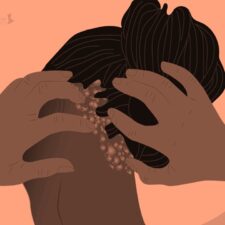
If you have scalp psoriasis, flexural psoriasis (under arms or in folds), or large plaques on your elbows, chest, or back, you know how one wrong fabric or tag can ruin your whole day.
That’s why the first rule of dressing with psoriasis is this:
Fabrics That Help (And Ones That Don’t)
Here’s the honest truth: not all clothes are made with sensitive skin in mind. And many fabrics that look good can irritate flaring skin. Here’s what to avoid — and what to reach for instead.
Fabrics to Avoid:
- Wool, tweed, or anything scratchy — Even the soft-looking kind can aggravate flares.
- Synthetics like polyester or nylon — These trap heat and moisture, especially in warmer months, and can make inflammation worse.
- Spandex-heavy blends or tight shapewear — Too much compression or friction? Hard pass.
Fabrics That Feel Good:
- 100% Cotton — Soft, breathable, and easy on skin.
- Bamboo Viscose — Silky-smooth, naturally hypoallergenic, and temperature-regulating.
- Modal — Lightweight and stretchy without feeling clingy.
- Tencel (Lyocell) — Eco-friendly and gentle on skin with a soft, cooling finish.
Pro tip: Tagless styles and flat seams are your best friends. Or, just get comfy with a seam ripper and snip those itchy tags out yourself!

How I Layer Without Irritation
Some people layer for fashion. I layer for survival and fashion. During flares, I still want to wear cute outfits — but I need a base layer that protects my skin first. Here’s how I make it work:
Base Layer (aka the Soft Shield):
- A soft bamboo or cotton tee or long-sleeve under everything
- A bralette or sports bra with a wide, soft band (no underwire poking my flare zones)
- For bottoms, loose cotton leggings or drawstring pants with no harsh waistbands
Style Layer (aka The Look):
- Oversized button-ups or kimonos (adds style and coverage)
- Stretchy maxi skirts or flowy pants with elastic waistbands
- Soft denim jackets with a bamboo tee underneath
- For cooler weather, fleece hoodies with smooth linings (layered over long sleeves)
On hot days, I lean into breathable, flowy fits — think linen shirts, loose-fit jumpsuits, and breezy kaftans. On flare days, I let my skin dictate the fit and the fabric.
RELATED: Day 1: Just Been Diagnosed with Psoriasis
Dressing With Confidence During Flares
Let’s be honest — some days, putting together an outfit feels like too much. You might be sore, tired, or just over it. And when you have visible plaques or shedding, you may feel self-conscious in public spaces.
Here’s what’s helped me show up anyway:
1. Dress for How You Want to Feel, Not How You Think You Look
Some days I dress “like I’m going to brunch,” even if I’m home resting. Other days, I pick something in my favorite color — not because I’m going out, but because I need the mood boost.
2. Lean Into Accessories That Work With You
- Big earrings, bold lipstick, or a statement headwrap can shift the focus off your skin if that helps you feel more at ease.
- On scalp-flare days, I wear soft turbans or satin-lined hats that don’t irritate my scalp — and still look intentional.
3. Don’t Fight Your Skin — Dress With It in Mind
I used to wear jeans that scratched my flare spots just to “look cute.” I stopped doing that. Now, I wear what supports my body and energy. And surprise — people still compliment my style.

Community Tips That Actually Work
I asked a few friends living with psoriasis and eczema what they swear by when getting dressed. Here’s what they shared:
“I buy the same soft long-sleeve shirt in four colors so I can dress it up or down, and my skin is never stressed.”
“No more jeans with tough seams. I found a Black-owned brand that makes denim-style joggers with soft fabric, and I’m never going back.”
“I switched to bamboo bralettes. I didn’t realize how much my bra was making my flare worse until I stopped wearing wires.”
“Wrap dresses and jumpsuits are my go-tos. No waistband cutting into my plaques, and I still feel grown and fine.”
And my favorite one:
“I keep a ‘flare fit’ by the door — comfy layers I know I can throw on fast and feel good in, even when I’m tired or itchy.”
Brands and Shops That Prioritize Comfort + Style
If you’re looking for soft, skin-friendly options, try:
- Pact – Organic cotton everything (sheets too!)
- Bamboo Body – Great for basics and loungewear
- Knix – Tagless bras and soft intimates for all body types
- Bravissimo – Soft bra styles for larger busts (with wire-free options)
- Jibri – Black-owned and beautifully tailored pieces in extended sizes
Need budget options? Look at the loungewear section of stores like Target, Old Navy, or H&M — often they have soft cotton basics that feel way better than the “fashion” stuff.
Final Takeaway: Your Comfort Is Style
Style isn’t just about what’s trending — it’s about how you show up in your body, even when your skin is doing the most.
Living with psoriasis (or any chronic skin condition) means being in a relationship with your body in a way many people don’t understand. But every time you choose softness, every time you prioritize comfort, and every time you say “nope” to a scratchy tag or tight seam — you’re practicing care.