
Let’s face it.
As much as we might not like to admit it, we’d all like to find the easy route. A shortcut. A surefire, simple, no-nonsense way to lose weight, get fit, get healthier, and get in the best shape of our lives.
But while weight loss drugs like GLP-1s are increasingly popular, the quicker route isn’t for everyone. Side effects occur, expectations change, and nothing ever goes exactly as we want.
You May Also Like

And that’s okay. If you’re looking for a natural, body-positive way to not only lose weight but also feel better and function better, you’ve come to the right place. This is where fermented foods, as well as prebiotics and probiotics, play their major role.
Thanks to these powerful foods and supplements, not only are you nourishing your gut with what it needs most, but you’re actually giving your brain the fuel it’s been starving for!
This is not an exaggeration. The numerous benefits of these gut-friendly options cannot be overstated.
You May Also Like

Let’s break it all down. The science, the perks, and your best bet for using the foods and products right for you…
Recognizing the Root Causes
As you might expect, a lot of problems attributed to weight and overall metabolic health start in, well, your gut. In today’s fast-paced world, digestive issues are sneaky. Everything from constant stress, frequent travel, and seasonal shifts in eating habits can be linked to changes in your microbiome, or gut bacteria.
Even antibiotics, which have their benefits when used strategically, can be a problem, disrupting your gut balance and impacting your overall wellness. Whether it’s inflammation due to changing diets, new germs in new environments, or one of many other factors, you always have to be prepared.
Fortunately, probiotics, prebiotics, and fermented foods offer practical ways to support healthy digestion and keep immunity going strong.
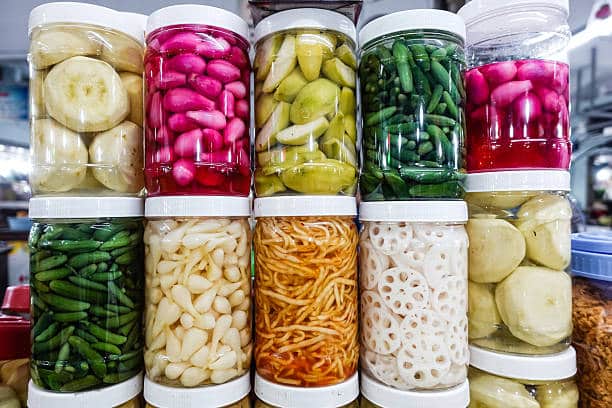
And if you’re not familiar with these three terms, don’t sweat it. For starters, probiotics refer to live microorganisms, like bacteria or yeast. These organisms provide health benefits when consumed in adequate amounts, everything from boosting your immune system to making digestion easier. If you’re looking for good sources, you can find them in supplements and certain foods like yogurt, kefir, kimchi, kombucha, and even pickles. They’re great for a restored bacterial balance, especially when you’re under a lot of stress.
Then you have prebiotics, which are non-digestible fibers. These fibers work by feeding good bacteria in your gut, allowing them to grow and become more active. Basically, like a fertilizer for your gut! For good sources of prebiotics, opt for foods like onions, garlic, bananas, oats, beans, and apples.
And finally, we have fermented foods, such as yogurt or miso. Although these foods often introduce live bacterial cultures to the body, they don’t necessarily qualify as probiotics unless specific bacterial strains are present.
Overall, you can think of it this way: probiotics directly add beneficial microbes, prebiotics feed them, and fermented foods deliver a mix of both, as well as tasty nutrients. Probiotics are best for recovering your gut health, prebiotics are best for maintaining your gut health, and fermented foods are good for daily variety. Together, the three keep your microbiome strong and varied, which is critical for overall well-being.

RELATED: Prebiotics: One More Tool To Help Weight Loss & Manage Diabetes
The Strains You Need
Now let’s get a little bit more specific.
At the heart of many of the benefits are key bacterial strains like Lactobacillus and Bifidobacterium. These are common in probiotics and also some fermented foods. Lactobacillus species, including L. acidophilus and L. rhamnosus, work by producing lactic acid. When this acidic environment is created, it inhibits harmful bacteria and is an efficient way to address symptoms of irritable bowel syndrome (IBS). If you’re having trouble digesting, issues with bloating, or constant diarrhea, definitely consider these strains.
The Bifidobacterium strains, such as B. longum and B. bifidum, are excellent at breaking down fibers you ingest. In turn, this powers your gut cells, lowers overall inflammation, and keeps your intestinal barrier strong. By taking in all of these strains, you can keep your immune system humming along, ensuring you have a diversity of good bacteria and easing the conditions of the gastrointestinal tract.
Are you using antibiotics? Strains like Lactobacillus and Bifidobacterium are especially important as they help reduce diarrhea risk by up to 50 percent in adults and children. And if IBS is your main concern, multi-strain probiotics over four to eight weeks can really help. They’re good for alleviating pain, bloating, and irregular bowel habits, especially in shorter durations.
That said, if you’re generally healthy, with good blood work, fermented foods usually provide enough microbes without pills.
As always, consult your doctor about any persistent issues or concerns.
RELATED: The Shocking Truth About Kombucha and Other Fermented Foods
The Right Foods for the Right Benefits
Everybody is different, so it’s no wonder that some people may need to ‘load up’ on certain foods or supplements while others do not.
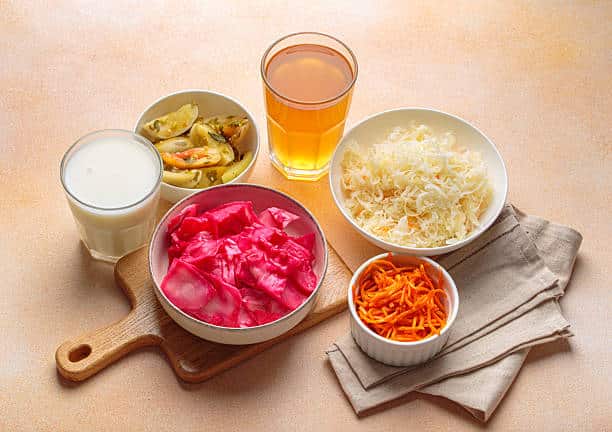
It’s all about starting small. Incorporating fermented foods doesn’t require a diet overhaul. For instance, you can begin with kefir, a tangy drink richer in probiotics than yogurt. This tasty little beverage blends seamlessly into smoothies or overnight oats for breakfast. You can even add a tablespoon of kimchi, which is a spicy Korean cabbage ferment. It complements rice bowls, tacos, and eggs quite well.
Other foods, like sauerkraut and fermented cabbage, pair well with sandwiches, salads, or sausages at dinner. They’re strong sources of fiber and live cultures, helping to boost short-chain fatty acids (SCFAs), which are crucial for gut bacteria.
Your aim should be for one serving daily, and from there you can increase gradually to avoid bloating. Just make sure you choose unpasteurized versions for active microbes. These additions not only enhance meals, but also feed prebiotic fibers naturally present in foods like onions or bananas.
But it’s more than just gut health. Beyond digestion, the gut-brain connection reveals how microbiome health influences your mood and energy as well!
Did you know that the gut produces 90 percent of serotonin—a mood regulator—present in your brain? And did you know that your gut actually communicates via something called the vagus nerve, affecting stress responses and emotions?
It’s all true, and a balanced microbiome is actually an important way to address anxiety or depression if you’re struggling. Not to mention, a vital way to combat persistent fatigue as well. In fact, probiotics affect the neurotransmitters in your brain, such as GABA, promoting feelings of calm and relaxation.
Overall, it’s all about consistency, variety, and portion control. To sustain gut health, combine probiotic-rich sources like kefir with prebiotic bananas, or maybe add sauerkraut to fiber-packed salads. During stress or travel, targeted probiotics in supplement form may be your best bet.
By applying these simple, evidence-based choices, you’ll notice better digestion, better mood, and better immunity overall! Small habits with big impacts – what’s not to love?