Blood pressure is more than just numbers your doctor writes on a chart.
To explain it, Dr. Shawna Nesbitt, medical director of the Hypertension Clinic at Parkland Hospital in Dallas, talks about plumbing.
Think of blood vessels as pipes in a house, she says. Those pipes feed blood to the whole body. If the pressure in them gets too high, it can damage the pipes or whatever they connect to – such as the heart, brain or kidneys. In fact if you have chronic kidney disease and high blood pressure, it is more likely that you will have heart problems. That is why controlling your blood pressure is so important.
You May Also Like
"Controlling it doesn't just matter to one of those organs. It matters to all of those organs," says Nesbitt, also a professor of medicine and associate dean of student diversity and inclusion at UT Southwestern Medical Center.
In other words – high blood pressure, or hypertension, is a big deal. Here are five things you might not know about it.
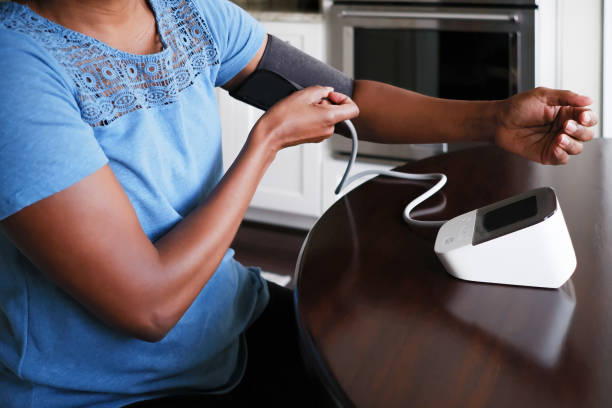
RELATED: How to get an Accurate Blood Pressure Reading at Home
You May Also Like

You should start thinking about it before you have it.
Blood pressure tends to increase as people age. But that doesn't mean you can ignore it until it's a problem, says Dr. Raymond Townsend, director of the hypertension program at the Hospital of the University of Pennsylvania in Philadelphia.
It rarely has symptoms. "So unless you check it, you don't know," he shares.
It could be wreaking invisible havoc, for example, by aging the circulatory system, Townsend says. "You may be 60 years old, but if you've had untreated high blood pressure for a while, your blood vessels may be 80."
High blood pressure affects 121.5 million U.S. adults, American Heart Association statistics show. It is defined as a systolic pressure (the top number) of 130 or higher or a diastolic pressure (the bottom number) of 80 or higher that stays high over time.
People who are Black; have a family history of high blood pressure, heart disease, stroke or kidney disease; and women who had blood pressure issues during pregnancy should pay extra attention, Nesbitt notes.
The good news, Townsend says, is if you spot high blood pressure before it does damage, "you're in the primary prevention game. And that's where you want to be. Because we have great evidence to show that managing your blood pressure will keep your heart, brain and kidneys working a whole lot longer."
Managing it protects your brain.
If high blood pressure damages your brain's blood vessels, bad things can happen. A stroke is one. But the risk goes beyond strokes.
Neurologists are finding that dementia is a vascular disease, which means high blood pressure can cause a little damage in lots of small areas of the brain, Nesbitt shares. "And because you've got a little damage in a lot of places, then you have the sum total of all of those areas that just don't function so well anymore."
Townsend says studies suggest people whose blood pressure is better controlled tend to score better on tests of cognitive function.
Lowering blood pressure isn't a cure-all for brain health, he notes, but prevention is key. "The goal is to preserve it at its high level when you're 30 or 40 years of age."
RELATED: 5 Amazing Foods that Lower High Blood Pressure
Black Americans need to pay special attention.
Hypertension is far more common in Black adults in the U.S. than in adults of other races and ethnicities. Yet it's less of a problem for people of African heritage living in other countries. "Which makes you question why it is so much more prevalent in America than in other places," Nesbitt says.
Systemic problems, such as the fact that Black Americans are more likely to lack access to healthy food or safe places to exercise, are significant factors. So is the stress of dealing with racism.
"What we are looking at is a manifestation of the living conditions of Black Americans," she adds. "And because we have rampant examples of differences in how we live, and how we experience the world every day, those things have a toll on our physical health. And blood pressure's one of the first things that we see that makes that difference very evident."
Watching sodium? Remember potassium, too.
Sodium has long been singled out for its relationship to high blood pressure. But many experts these days emphasize the importance of the sodium-potassium balance, Townsend shares.
Potassium helps regulate blood flow. And if you're eating a lot of processed foods, you're probably getting too much of the former and not enough of the latter, Nesbitt adds.
The DASH or Mediterranean diets offer a healthy balance of nutrients. Potassium-rich foods include bananas, sweet potatoes and low-fat dairy products.
Little changes can make a big difference.
For decades, Townsend says, researchers have known the most important predictor of blood pressure when you're older is excess weight.
But you don't have to go to extremes to help blood pressure, he said. "You may be 40 or 50 pounds overweight, but if you lose 10 or 15, not only are you headed in the right direction, you begin to see some benefit."
There isn't a quick fix for high blood pressure, Nesbitt shares. But you don't have to fix everything at once.
"I always talk to patients about the changes that you can make that you will commit to," she says. Someone having four alcoholic beverages a day might cut back to one or two for a sustained period. Once they develop that habit, they can attack the next.
"It is important that we keep focus on that we're not doing this for vanity's sake," she adds. "We're doing this for your healthy lifestyle and longevity. This is for the long run."
By American Heart Association