• Skip to main content
  • Skip to secondary menu
  • Skip to primary sidebar
  • Skip to footer
BlackDoctor.org
Where Wellness & Culture Connect

Where Wellness & Culture Connect

  • Conditions
  • Wellness
  • Lifestyle
  • Longevity
  • Clinical Trials
  • Resources
    • Generational Health
    • Top Blacks in Healthcare 2025
    • Hall Of Fame
    • Clinical Trials Resource Center
    • Obesity Resource Center
    • Cancer Resource Center
    • Wellness on the Yard
    • Immunocompromised Care
    • BDO Resource Library
  • Find A Doctor
  • BDO TV
Home / Wellness / Womens Health / 3 Health Reasons Why Women Should Go Pee After Sex

3 Health Reasons Why Women Should Go Pee After Sex

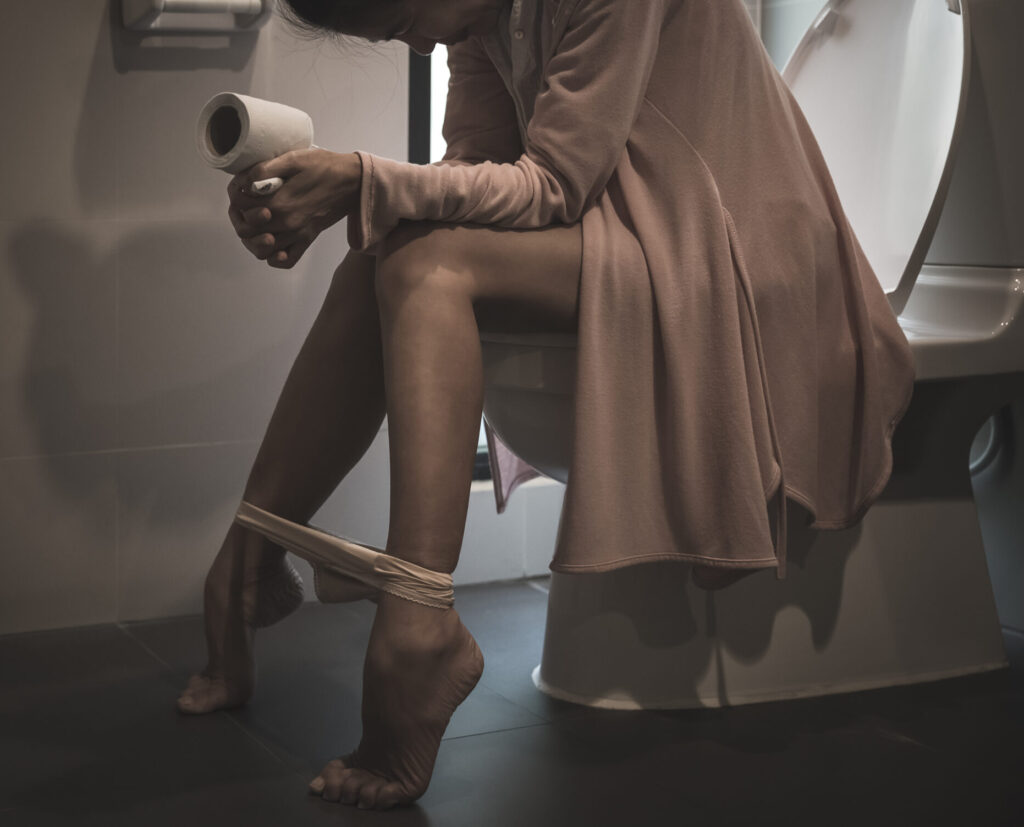
A healthy sex life isn't just about what goes on during intercourse, it's all about what happens before and even after sex.

After a round of calorie-burning, heavy-breathing, fulfilling orgasm-having sex, your first reaction may be to just lay there and bask in the "glow", but here's three reasons why you should get up and urinate after sex.

1.) Bladder Spasms

Bladder spasms are contractions of the bladder. They may be caused by a urinary tract infection (UTI) or irritation from a catheter.

You May Also Like
Psoriatic Arthritis Can Feel Beyond Your Control. Consider a Different Direction. Learn More Here. Psoriatic Arthritis Can Feel Beyond Your Control. Consider a Different Direction. Learn More Here.

They may also occur in any disease that affects the nervous system, such as multiple sclerosis (MS). People who have had surgery in this area of the body might also have bladder spasms.

While some people have frequent bladder spasms — possibly as a result of a chronic health issue like interstitial cystitis — many of us will experience a one-off bladder spasm from time to time after having sexual intercourse.

And women who are penetrated vaginally aren't the only people to report this feeling — some men have reported a similar "need to pee" sensation following ejaculation.

You May Also Like

Get GLP-1s Delivered to You As Low As $99/Month! Get GLP-1s Delivered to You As Low As $99/Month!

Feeling a bladder spasm after sex doesn't mean that you're incontinent, or going to pee on yourself, either — this contraction of bladder muscles simply creates the feeling that you must urinate immediately, but it doesn't actually force you to go (your bladder could even be mostly empty when you feel this sensation).

READ: The #1 Thing You Should Do Before Having Sex

Emptying a full bladder prior to intercourse may be helpful in preventing a bladder spasm after sex. If you find yourself regularly experiencing this phenomenon.

2.) Uterine Contractions

You know how when you have an orgasm, it can feel like every muscle in your body is contracting?

Many muscles do contract when you orgasm — and that can include your uterus.

Uterine contractions are typical during orgasm, and the bladder sits anatomically in close proximity, which means that those uterine contractions can jostle your bladder around.

Throw in the extra blood flow and engorgement present in the uterine/bladder area following an orgasm, and you have a situation where your bladder is very sensitive — and any pressure on it can feel intense.

3.) Urinary Tract Infections

UTIs are the most common culprit of this sense of post-coital bladder fullness — so you shouldn't stop being vigilant about them, especially if you know that you're prone to them.

Seventy-five percent of UTIs are related to sexual intercourse, so it pays to be aware of your post-coital bladder tingles, even if they turn out to be nothing.

Intercourse can irritate your bladder (which is located on top of your uterus) and cause infection.

Pee after sex to get rid of bacteria that may accumulate in your urethra.

Regularly urinating after intercourse is a great preventative measure against UTIs.

If you feel a phantom bladder fullness on the regular, but never seem to have a UTI, be sure to check with your doctor to make sure it's not something else going on.


By Derrick Lane | Published March 28, 2020

The Latest In Womens Health

preterm birth

What Moms Can Do and Should Know About Preventing Preterm Birth

The journey to motherhood is often envisioned as a smooth, predictable path, yet for many, the reality of pregnancy can bring unexpected challenges. A common pressure point for expectant mothers is the fear of preterm birth (delivery before 37 weeks) read more about What Moms Can Do and Should Know About Preventing Preterm Birth
triple-negative breast cancer

Your Risk For Triple-Negative Breast Cancer Depends On Where You’re From

For years, the common understanding around triple-negative breast cancer has been straightforward. Black American women face this aggressive cancer at higher rates than women in other racial groups. Research from the American Cancer Society (ACS) reveals a more complex story. read more about Your Risk For Triple-Negative Breast Cancer Depends On Where You’re From
douching

Is Douching Safe? Why This Common Habit Can Be Dangerous

Sisters, you’ve had a long day, maybe just got home from work or after a night out, and you notice a little odor or discharge. Your first thought? “I need to douche.” You’re not alone. Millions, yes millions, of women read more about Is Douching Safe? Why This Common Habit Can Be Dangerous
nutrients

7 Nutrients Black Women Are Most Likely Missing

Even with a balanced diet, many Black women may fall short of critical vitamins and minerals due to genetic, physiological, lifestyle, and social factors. Below are seven nutrients frequently under-recognized, their signs, challenges to absorption, and how to address them: read more about 7 Nutrients Black Women Are Most Likely Missing

Genetic Testing & Ovarian Cancer: What Black Women Need to Know

In an era where medical advancements are rapidly evolving, genetic testing has emerged as a powerful tool in the fight against cancer, particularly ovarian cancer. Dr. Kevin Holcomb, chair of Obstetrics and Gynecology at Long Island Jewish Medical Center and read more about Genetic Testing & Ovarian Cancer: What Black Women Need to Know
Dr. Jackie Walters

Married to Medicine’s Dr. Jackie Walters On What Women Get Wrong About Birth Control

Dr. Jackie Walters wears many hats. She’s a practicing OB-GYN, a two-time breast cancer survivor, and a reality TV star on Bravo’s Married to Medicine. But ask her what truly drives her, and the answer isn’t fame or cameras—it’s helping read more about Married to Medicine’s Dr. Jackie Walters On What Women Get Wrong About Birth Control

Primary Sidebar

Subscribe to our newsletter

Icon

Caring for You, Too - Caregiver Workbook

1 file(s) 297 KB
Download

Trending Articles

Weight Loss Challenge: Lose 10 Pounds In 2 Weeks!

lose 10 pounds in 2 weeks

Stage 4 Lung Cancer: Why I Said Yes to a Clinical Trial

Stage 4 Lung Cancer: Why I Said Yes to a Clinical Trial

Top 10 Ways to Improve Your Digestion Naturally

digestion

This Clinical Trial Is Making HIV Treatment Easier for Black People

This Clinical Trial Is Making HIV Treatment Easier for Black People

A Clinical Trial Extended the Life of Women With Hard-to-Treat Breast Cancer

A Clinical Trial Extended the Life of Women With Hard-to-Treat Breast Cancer
Find a Culturally Sensitive Doctor

Footer

Where Wellness & Culture Connect

BDO is the world’s largest and most comprehensive online health resource specifically targeted to African Americans. BDO understands that the uniqueness of Black culture - our heritage and our traditions - plays a role in our health. BDO gives you access to innovative new approaches to the health information you need in everyday language so you can break through the disparities, gain control and live your life to its fullest.

Connect With Us

Resource Centers

  • Top Blacks in Healthcare
  • Clinical Trials
  • Wellness on the Yard
  • Cancer
  • Immunocompromised Care
  • About Us
  • Privacy Policy
  • Cookie Policy
  • Terms of Service
  • Careers
  • Advertise With Us
  • Advertising & Sponsorship Policy
  • Daily Vitamina
  • TBH

Copyright © 2025, Black Doctor, Inc. All rights reserved.