
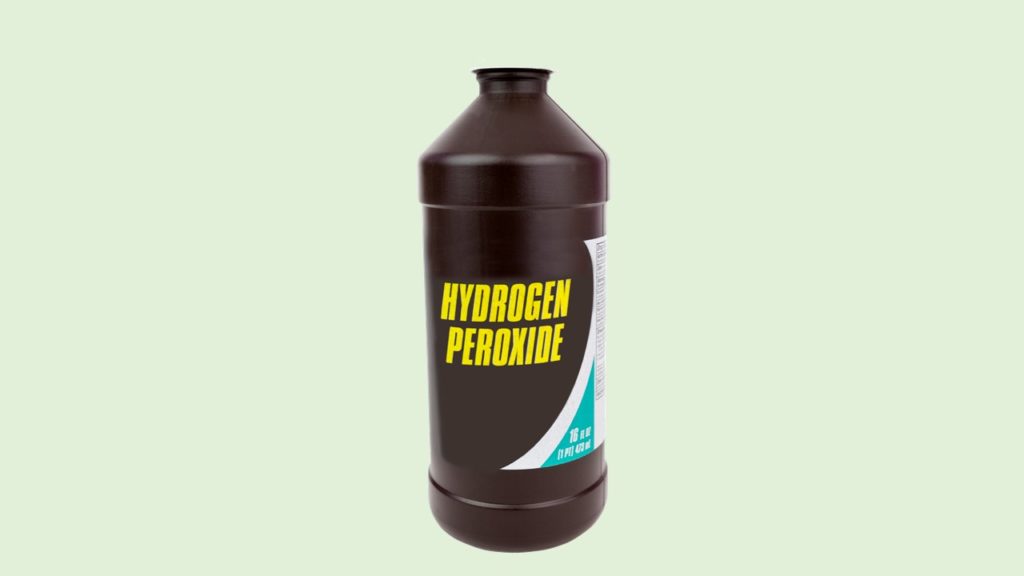
 Hydrogen peroxide, or H202, has been known as a mild household antiseptic used on the skin to prevent infection of minor cuts, scrapes, and burns. People may also know it as being used as a mouth rinse to help clean teeth. But many of us are sleeping on the many uses of this household gem that could be used to help clean and heal like never before.
Bring your nails back to life
Hydrogen peroxide is known to lighten yellow nails and bring them back to their natural, healthy state. Simply rub a soaked cotton ball over your nails and see the difference. It also helps in preventing any formation of nail fungus. Hydrogen peroxide uses the oxidative therapy, destroying the fungus formed on the nails by increasing the oxygen levels.
The cleanse your hair and scalp need
Hydrogen peroxide will take care of any free radicals or germs in your hair, but not without taking your hair’s natural oils with them. Some experts recommend using it every six weeks and after use, ensure to take deep conditioning treatments to retain the natural shine of your hair. A mix of baking soda and hydrogen peroxide should lift the colour of your strands and the mixture will also dilute the harmful effects of hydrogen peroxide.
Deep clean your bed
To really rest easy, deep clean your mattresses about every six months. Strip the linens and padding and vacuum the mattress itself. For any stained spots caused by organic materials, such as food, drinks, bodily fluids, and even crayons, create a mild solution of half water and half hydrogen peroxide. Using a clean, soft toothbrush, work this liquid into the stain, give it five minutes of dwell time, and repeat if needed. Once stains have faded, use a hairdryer to evaporate any excess moisture before making the bed.

Sanitize Your Wooden utensils and cutting boards
Worried about built-up food and germs on your wooden spoons, utensils and wooden cutting boards? Your wood materials can develop breaks in the surface that trap unhealthy bacteria. But unlike plastic, wood is porous and will warp and even crack in the heat of the dishwasher. To clean and disinfect it safely, spray with white vinegar, wait five minutes, then wipe. Next, pour three percent hydrogen peroxide over the entire cutting board, distributing evenly with a clean sponge; let dwell for five to 10 minutes. Then sprinkle salt over the surface and rub it into the wood grain gently with half a lemon (this will soak up any remaining odors). Allow the lemony salt to soak into the wooden surface for at least 10 minutes or overnight, wipe with damp cloth, and air dry. For the best results, buff the wood using food-grade almond or walnut oil, and wait six hours before use.
Even out hyperpigmentation
Hyperpigmentation or dark spots on the skin can be caused by a number of things. Depending on the cause, hydrogrgen peroxide may help. Hydrogen peroxide has also been used for many years to bleach dark spots from the skin. However, it must be used carefully, as it is more acidic than lemon juice, and can be more drying. It also helps to speed exfoliation, allowing new, lighter skin to emerge more quickly. use, dab it onto those dark spots, let it dry, then be sure to rinse well to avoid skin irritation. Moisturizing the skin after use can avoid some of the drying effects of hydrogen peroxide.
If you found these uses interesting or beneficial, take a look at these powerful household uses for baking soda.
In its natural form, baking soda is known as nahcolite, which is part of the natural mineral natron. Natron, which contains large amounts of sodium bicarbonate, has been used since ancient times. And many of the benefits still can be used today. Here’s a few below:
You May Also Like

1. Pedicure Provider
Just soak 1 1/2 tablespoons of baking soda in 1 1/2 cups of water and put your fingers (up to the cuticles) in the mixture for 7-10 minutes. Rinse thoroughly afterward and you’ll see the thin layers of dead skin come off. Also, after continued use, you’ll see how healthy your cuticles will look.
2. Deodorant That Works!
Some people will just sprinkle on baking soda as a natural deodorant. For sensitive skin, try mixing a tablespoon of baking soda with water until it forms a paste then apply paste underarms. It lasts for at least 8 – 10 hours