
• Skip to main content
  • Skip to secondary menu
  • Skip to primary sidebar
  • Skip to footer
BlackDoctor.org
Where Wellness & Culture Connect

Where Wellness & Culture Connect

  • Conditions
  • Wellness
  • Lifestyle
  • Longevity
  • Clinical Trials
  • Resources
    • Generational Health
    • Top Blacks in Healthcare 2025
    • Hall Of Fame
    • Clinical Trials Resource Center
    • Obesity Resource Center
    • Cancer Resource Center
    • Wellness on the Yard
    • Immunocompromised Care
    • BDO Resource Library
  • Find A Doctor
  • BDO TV
Home / Wellness / General Health / 7 Ripple Effects of Black Clinics Closing That No One’s Talking About

7 Ripple Effects of Black Clinics Closing That No One’s Talking About

health disparities

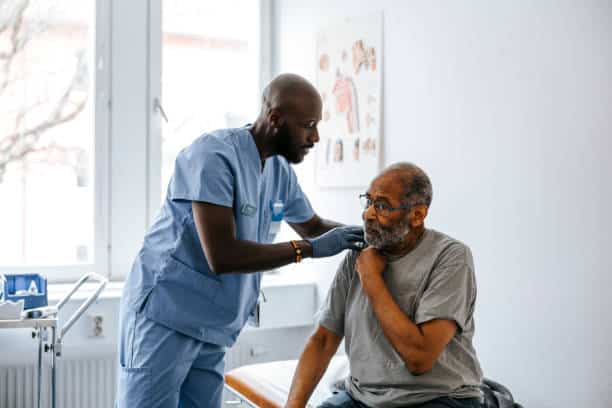
As the COVID-19 pandemic swept across the country, its devastation wasn’t limited to hospitals and ICUs—it also hit smaller, community-rooted health providers, especially Black-owned clinics. These independent, often underfunded practices have long been lifelines in communities of color, offering affordable and culturally competent care in neighborhoods where medical trust and access are scarce. Now, many are at risk of disappearing altogether.

Rutgers Health experts Dr. Damali Campbell-Oparaji and Dr. Natalie E. Roche, both faculty at Rutgers New Jersey Medical School, warn that the mass closure of Black-owned clinics could leave behind a silent but devastating public health crisis. Below, we break down seven lesser-known but deeply impactful ripple effects of this loss—and why it matters more than ever.

1. Trust in the Healthcare System Will Decline Even Further

For many patients in minority communities, Black-owned clinics are more than places to get a prescription—they’re safe spaces where cultural understanding and lived experience build trust. Historical injustices like the Tuskegee Study and ongoing systemic bias have created deep skepticism toward mainstream healthcare. But when Black physicians speak, patients listen. The closure of these clinics could strip away one of the most effective bridges between communities of color and lifesaving medical care.

You May Also Like
Psoriatic Arthritis Can Feel Beyond Your Control. Consider a Different Direction. Learn More Here. Psoriatic Arthritis Can Feel Beyond Your Control. Consider a Different Direction. Learn More Here.

2. Patients Will Lose Access to Affordable Primary Care

Black-owned clinics disproportionately serve patients on Medicaid, Medicare, or those without insurance—groups often turned away or underserved elsewhere. As these practices shut their doors due to financial strain, millions may lose access to basic preventive care like cancer screenings, diabetes management, or blood pressure monitoring. Without early intervention, chronic conditions worsen and hospitalizations increase—creating a dangerous and expensive domino effect.

3. Chronic Illnesses Will Go Unmanaged

Communities of color already face higher rates of chronic illnesses like hypertension, asthma, diabetes, and heart disease. These conditions require consistent, personalized management—something Black doctors often provide with cultural nuance. When those providers disappear, so do opportunities to manage these illnesses early and effectively, leaving patients vulnerable to complications and early death.

4. Telehealth Won’t Fill the Gap

While virtual care surged during the pandemic, many Black-owned practices lacked the technology infrastructure or financial resources to keep up. Worse, their patients often face digital divides—limited internet access, outdated devices, or low tech literacy. This digital mismatch means telehealth can’t fully replace in-person care, especially in underserved communities. Closing physical clinics leaves patients without reliable options.

You May Also Like
Get GLP-1s Delivered to You As Low As $99/Month! Get GLP-1s Delivered to You As Low As $99/Month!

5. Economic and Job Losses Will Hit Communities Hard

Black-owned clinics aren’t just health providers—they’re small businesses that employ local residents. From medical assistants and receptionists to janitors and nurses, these practices create jobs and circulate money within the community. When they close, the economic pain spreads beyond patients to families who rely on these jobs for income, benefits, and stability.

6. Future Black Doctors Will Have Fewer Mentors and Role Models

Representation matters in medicine—not just for patients, but for aspiring health professionals. Black-owned clinics often serve as training grounds, internship sites, and sources of inspiration for young people considering careers in healthcare. Their loss means fewer visible role models for the next generation of Black doctors, further widening the diversity gap in medicine.

7. Health Disparities Will Widen

COVID-19 may have accelerated the crisis, but the impact of losing Black-owned medical practices will last far beyond this moment. The combination of mistrust, lack of access, and unmanaged health conditions will compound over time—leading to poorer outcomes, more preventable deaths, and a deepening of America’s already vast racial health disparities.

What Can Be Done?

Drs. Campbell-Oparaji and Roche stress the importance of systemic solutions: targeted financial support for minority-owned practices, equitable loan approval processes, investment in telehealth access, and community education. On the ground, community members can help by supporting Black doctors, advocating for local health equity funding, and helping vulnerable neighbors stay connected to care.

Because when a Black-owned clinic closes, it’s not just a business loss—it’s a public health emergency hiding in plain sight.


By Jessica Daniels, BDO Staff Writer | Published June 13, 2025

June 13, 2025 by Jessica Daniels

The Latest In General Health

vaccines and autism

Health Leaders Clarify: CDC’s Recent Comment on Vaccines and Autism Is Misleading

The federal Centers for Disease Control and Prevention changed a key webpage about autism, shifting from a firm statement that vaccines do not cause the condition to language that suggests health officials may have ignored possible links. However, health experts read more about Health Leaders Clarify: CDC’s Recent Comment on Vaccines and Autism Is Misleading

Ending HIV Stigma: PrEP screening for all

We asked minoritized patients how they would feel if their doctor offered them an HIV test during their regularly scheduled visit. The overwhelming sentiment was that they would be offended. Why? They know not all patients are being offered an read more about Ending HIV Stigma: PrEP screening for all
leftovers

The 7 Most Dangerous Leftovers to Reheat Are…

Even if something tastes good the day you eat it, it doesn't necessarily mean it's good the next day or even good for you the next day. The truth is, some of your leftovers could be making you sick. Leftover read more about The 7 Most Dangerous Leftovers to Reheat Are…
health legacy

Do You Know the Health Legacy your Family Left You?

You probably know that our community is affected disproportionally by many chronic health conditions like heart disease (stroke), diabetes, high blood pressure, obesity, glaucoma, sickle cell anemia, and mental health as the stress we suffer due to racism. Spoiler alert: read more about Do You Know the Health Legacy your Family Left You?
family history

Make Collecting Family Health History Part Of Your Thanksgiving Plans

For some, being home for the holidays means lots of extra family time, often with multiple generations coming together to celebrate under one roof. Most likely, your conversations at this time will center around what’s new at work or what read more about Make Collecting Family Health History Part Of Your Thanksgiving Plans

Trump Administration In Talks About Extending Obamacare Subsidies

The future of Affordable Care Act subsidies remains uncertain as the enhanced premium tax credits are set to expire at the end of the year.  The Trump administration has said it is discussing options, but only Congress has the authority read more about Trump Administration In Talks About Extending Obamacare Subsidies

Primary Sidebar

Subscribe to our newsletter

Icon

Caring for You, Too - Caregiver Workbook

1 file(s) 297 KB
Download

Trending Articles

10 Foods Your Liver Wishes You Would Would Stop Eating

healthy liver

The 7 Most Dangerous Leftovers to Reheat Are…

leftovers

Weight Loss Challenge: Lose 10 Pounds In 2 Weeks!

lose 10 pounds in 2 weeks

Stage 4 Lung Cancer: Why I Said Yes to a Clinical Trial

Stage 4 Lung Cancer: Why I Said Yes to a Clinical Trial

Top 10 Ways to Improve Your Digestion Naturally

digestion
Find a Culturally Sensitive Doctor

Footer

Where Wellness & Culture Connect

BDO is the world’s largest and most comprehensive online health resource specifically targeted to African Americans. BDO understands that the uniqueness of Black culture - our heritage and our traditions - plays a role in our health. BDO gives you access to innovative new approaches to the health information you need in everyday language so you can break through the disparities, gain control and live your life to its fullest.

Connect With Us

Resource Centers

  • Top Blacks in Healthcare
  • Clinical Trials
  • Wellness on the Yard
  • Cancer
  • Immunocompromised Care
  • About Us
  • Privacy Policy
  • Cookie Policy
  • Terms of Service
  • Careers
  • Advertise With Us
  • Advertising & Sponsorship Policy
  • Daily Vitamina
  • TBH

Copyright © 2025, Black Doctor, Inc. All rights reserved.