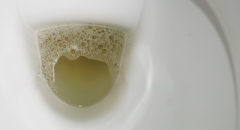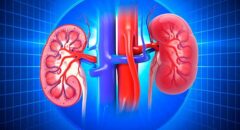

Diagnosing primary membranous nephropathy (PMN) involves following a series of clues. It often starts with subtle changes that indicate the kidneys may be under stress. One of the first signs can be protein leaking into the urine, which may cause your urine to appear unusually foamy or bubbly. However, this change is sometimes detected in routine lab work before any symptoms are noticeable. Other signs, such as swelling in the legs or face, increased blood pressure, or persistent fatigue, may lead a healthcare provider to investigate further. Once these indicators arise, a more thorough evaluation takes place step by step.
The First Steps
Most people start with their primary care doctor. After hearing about symptoms or reviewing lab results, your doctor may order a set of blood and urine tests. If the results suggest your kidneys are involved, the next step is typically a referral to a nephrologist—a doctor who specializes in kidney disease and will guide you through the rest of the diagnostic process.
What Diagnosis Usually Looks Like
Your healthcare team may use several different tools to understand what’s happening:
You May Also Like

1. Blood tests
Blood tests are essential for assessing how well your kidneys are functioning. Tests that measure creatinine and blood urea nitrogen indicate how effectively your kidneys filter waste. Doctors also examine albumin, the primary protein that can leak into urine alongside certain conditions. Low levels of albumin are a key indicator of nephrotic syndrome, which can lead to body swelling. Additionally, high cholesterol levels are often observed, not as a result of dietary or lifestyle choices, but because the liver attempts to compensate for lost protein by producing more fats.
2. Urine tests
You May Also Like

A simple urine sample can indicate the presence of protein or blood. To assess the severity of the issue, your doctor may order a 24-hour urine collection or a protein-to-creatinine ratio test. These tests measure the amount of protein that is passing through your kidneys each day. The results of these tests can help guide future treatment decisions and monitoring.
3. GFR estimation
The glomerular filtration rate (GFR) reflects kidney function by indicating how effectively the kidneys are clearing waste. In the early stages of PMN, the GFR may still appear normal, which is one reason the disease can develop silently for years before being diagnosed.
4. Antibody testing
Many individuals with PMN have antibodies against the PLA2R receptor. A blood test can detect these antibodies, and if present, it strongly suggests the condition arises from an autoimmune process rather than an alternative cause.
5. Kidney ultrasound
Not everyone will require this test, but an ultrasound can quickly reveal the size and structure of the kidneys. It helps rule out blockages or other physical issues that might mimic the symptoms of PMN.
6. Kidney biopsy
This step is often the most crucial part of the diagnosis. During a biopsy, a small sample of kidney tissue is collected using a needle and examined under a microscope. In cases of PMN, doctors can observe thickened membranes and immune deposits, which are characteristic features of the condition. Additionally, special stains can confirm the presence of PLA2R antibodies directly in the tissue.
While the idea of a biopsy may feel intimidating, it is a brief procedure performed with local anesthesia, and most individuals go home the same day. It provides answers that no other test can offer.

Ruling Out Secondary Causes
Diagnosing PMN isn’t just about confirming what it is, but also about understanding what it isn’t. Sometimes membranous nephropathy can be caused by infections, medications, autoimmune conditions like lupus, or even cancer. Because of this, doctors may order tests for hepatitis B or C, HIV, autoimmune antibodies (like ANA or anti-dsDNA), and review your medication history carefully. For older adults, additional cancer screenings may be recommended. This work helps ensure treatment is tailored to the right cause.
What Diagnosis Really Means
Receiving a diagnosis is not the end—it marks the beginning of understanding how your kidneys function and what they need moving forward. Doctors assess various factors, such as protein levels, antibody levels, symptoms, and kidney function, to predict how the disease may progress. Some individuals may improve over time with just monitoring, while others might eventually require treatment.
Once your condition is confirmed, you and your nephrologist will create a follow-up plan. This typically includes regular lab tests, discussions about symptoms, and monitoring your blood pressure. Primary Membranous Nephropathy (PMN) often progresses slowly, so noticing subtle changes is important. Ongoing monitoring helps identify these changes early.
Feeling overwhelmed or scared during this process is normal. Many people wonder how long the disease has been present or if they somehow caused it. However, PMN is not anyone’s fault—it results from an immune response beyond your control. By understanding the diagnostic journey, you can replace fear with clarity, and this clarity can foster confidence as you move forward. diagnostic journey, you can replace fear with clarity, and this clarity can foster confidence as you move forward. diagnostic journey, you can replace fear with clarity, and this clarity can foster confidence as you move forward.
Working with Your Doctor
-
Bring a medication list to every appointment.
Even common drugs—like certain pain relievers—can affect your kidneys. -
Ask for copies of your lab results.
Tracking your own numbers helps you spot trends and ask informed questions. -
Stay hydrated before urine tests.
It makes sample collection smoother and can help ensure accuracy. -
Try not to fear the biopsy.
It’s brief, safe, and provides the clearest picture of your condition. -
Complete secondary-cause testing when recommended.
Even when PMN seems likely, confirming that nothing else is contributing shapes the most effective treatment plan. -
Speak up about new symptoms right away.
Sudden swelling, changes in urine, or rising blood pressure are worth reporting early.