
• Skip to main content
  • Skip to secondary menu
  • Skip to primary sidebar
  • Skip to footer
BlackDoctor.org
Where Wellness & Culture Connect

Where Wellness & Culture Connect

  • Conditions
  • Wellness
  • Lifestyle
  • Longevity
  • Clinical Trials
  • Resources
    • Generational Health
    • Top Blacks in Healthcare 2025
    • Hall Of Fame
    • Clinical Trials Resource Center
    • Obesity Resource Center
    • Cancer Resource Center
    • Wellness on the Yard
    • Immunocompromised Care
    • BDO Resource Library
  • Find A Doctor
  • BDO TV
Home / Health Conditions / Mental Health / Black Women And Domestic Violence: The Cycle Must Stop

Black Women And Domestic Violence: The Cycle Must Stop

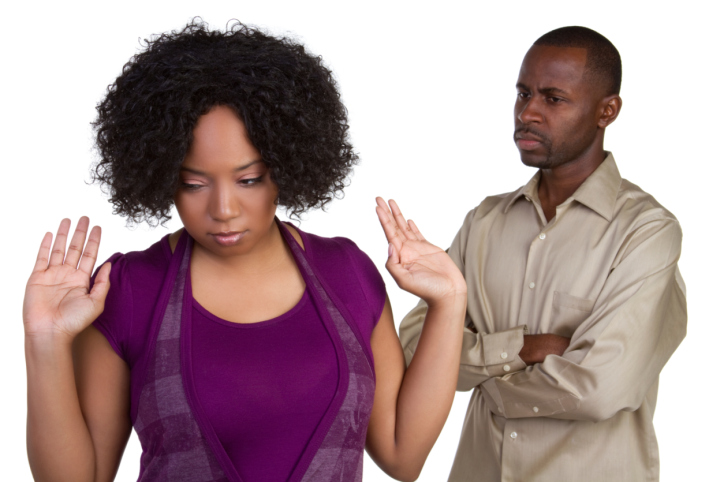
Domestic Violence in the Black Community
Black Women dealing with Domestic Violence

What Is Domestic Violence? Domestic violence, partner abuse, and battering refer to the physical, emotional, sexual, and psychological abuse, performed by one person against another. The abuser and the victim are involved in or have had an intimate or romantic relationship.

Who Are The Victims?
Domestic violence, including battering, happens in all socioeconomic levels, to urban or rural women, young or old, with child and childless, single, married, divorced and within all religious, racial, ethnic groups, and geographic locations. Councils On Family Violence has designated domestic violence battering as an “Unreported Epidemic.” It is important to note, that women initiate and carry out physical assaults on their partners as often as men do, according to a recent study by Straus and Gelles. However, when it comes to serious physical abuse, women are still overwhelmingly on the receiving end.

The Impact Of Domestic Violence On Women
More women are injured through domestic violence than by rape, muggings, and car accidents combined. Many pregnant women have been and may be victims of domestic violence abuse. Forced sex or marital rape is the leading type of sexual assault. Yet marital rape or forced sex maybe the most underreported and least legally punished crime of partner abuse because many victims are reluctant to report and file charges against the abuser, for various reasons. The Justice Department’s 1994 National Crime Victimization Survey (NCVS) found that only about half of the women who suffered domestic violence between 1987 and 1991 reported the abuse to law enforcement authorities.

Domestic Violence and African Americans
African Americans, particularly women, suffer deadly violence from family members at rates decidedly higher than any other racial group in the United States. However, it is observed that research concerning family violence among African Americans is inadequate.

You May Also Like
Psoriatic Arthritis Can Feel Beyond Your Control. Consider a Different Direction. Learn More Here. Psoriatic Arthritis Can Feel Beyond Your Control. Consider a Different Direction. Learn More Here.

Factors such as the breakdown of families, unemployment and underemployment, poor schools, inadequate vocational skills and training, bad housing, the influence and use of drugs, and the density of liquor stores in the inner city contribute to the problem of domestic violence. All of these ingredients may compound and coalesce into a strong undercurrent of frustration that can lead to domestic violence.

A Painful Dilemma
Many Black women may find it harder to leave a battering relationship than white women. The reasons for this are unclear, but some possible explanations include the following: (1) African American women have fewer options in their search for a marital partner than do white women; (2) African American women on average, have a lower income level than that of most white women; (3) Black women are reluctant to call the police because they see the racial injustice in the criminal justice system; (4) community support systems including women’s shelters and other service programs may be less available to them. Unfortunately, many Black women resort to “homicide” as an answer to the violence and battering they encounter.

What You Can Do If You (Or A Friend) Suffers Domestic Violence
• Domestic violence is a Federal crime. Call 911 immediately. This will activate the criminal justice system in regards to your domestic violence abuse and injurious claims. Experts say that women are beaten about five times before they ever dial 911.

You May Also Like
Get GLP-1s Delivered to You As Low As $99/Month! Get GLP-1s Delivered to You As Low As $99/Month!

• Try to give police all available information and make certain that the police listen and write down your statements and their observations, and direct quotes of what your abuser said while attacking you.

• Never refuse medical evaluations and medical services! Never clean up the house or location after a domestic violence attack, so that critical evidence of harm or injury is not removed. Keep a Polaroid or some type of camera and film on hand to photograph your injuries and any damage to property, etc. Remember, “a picture is worth a thousand words,” and is a good sign of evidence.

• Call domestic violence resource agencies in your community or call the National Domestic Violence hot line at (800) 799-SAFE. This hotline was initiated in 1996 with cooperation from the Justice Department. Through this hotline, a woman anywhere in the United States can be connected to resources to help her get away from her violent abuser.


By Morgan Curley | Published June 3, 2010

June 3, 2010 by Nicole Smith, BDO Staff Writer

The Latest In Mental Health

self control

Experts Say Exercise and Self Control Might Be More Linked Than You Think

The health benefits of regular exercise are widely documented. These can include maintaining a healthy weight, reducing your risk of developing chronic health conditions such as type 2 diabetes, heart disease, and high blood pressure, promoting a better night’s sleep, read more about Experts Say Exercise and Self Control Might Be More Linked Than You Think
mental illness

12 Early Signs Of a Mental Illness

Anxiety disorders often go hand in hand with depression and other mental illnesses. People who have anxiety disorders struggle with intense and uncontrollable feelings of anxiety, fear, worry, and/or panic. These feelings can interfere with daily activities and may last read more about 12 Early Signs Of a Mental Illness
seasonal depression

Feeling SAD? 5 Ways to Combat Seasonal Depression

As the sun sets earlier and the temperature continues to drop, some of us may be fearing for the season that lies ahead. While fall and winter bring joyful holidays, like Thanksgiving and Christmas, it can also be a time read more about Feeling SAD? 5 Ways to Combat Seasonal Depression
everyday habits

5 Everyday Habits That Will Steal ALL Your Energy

The average day for the average adult is filled with enough tasks, responsibilities, and to-do lists to make it a constant challenge to stay energized. Between work, family, social commitments, and everything in between, many of us find ourselves running read more about 5 Everyday Habits That Will Steal ALL Your Energy
self-diagnosis

Self-Diagnosis or Self-Awareness? Knowing When to Seek Help

If you’ve ever scrolled through social media and thought, “Wait, that sounds like me…” — you’re not alone. Whether it’s a TikTok about anxiety, a thread on trauma, or a meme about burnout, mental health is everywhere online right now. read more about Self-Diagnosis or Self-Awareness? Knowing When to Seek Help
chaos

Thriving Through Chaos: 7 Small Changes That Make a Big Difference

To many, the concept of mental wellness can feel overwhelming, a huge goal requiring massive overhauls. However, Atlanta-based community psychiatrist Dr. Nina Joy Mena, known as Dr. NJoy, believes that a proactive approach built on small, intentional changes is the read more about Thriving Through Chaos: 7 Small Changes That Make a Big Difference

Primary Sidebar

Subscribe to our newsletter

Icon

Caring for You, Too - Caregiver Workbook

1 file(s) 297 KB
Download

Trending Articles

Stage 4 Lung Cancer: Why I Said Yes to a Clinical Trial

Stage 4 Lung Cancer: Why I Said Yes to a Clinical Trial

This Clinical Trial Is Making HIV Treatment Easier for Black People

This Clinical Trial Is Making HIV Treatment Easier for Black People

A Clinical Trial Extended the Life of Women With Hard-to-Treat Breast Cancer

A Clinical Trial Extended the Life of Women With Hard-to-Treat Breast Cancer

This Reverend Wants to Change How You View Clinical Trials: “We’re Not Going to Have Another Tuskegee”

This Reverend Wants to Change How You View Clinical Trials: "We're Not Going to Have Another Tuskegee"

These Two Women Are Amplifying the Voices of Black Triple-Negative Breast Cancer Survivors

breast cancer
Find a Culturally Sensitive Doctor

Footer

Where Wellness & Culture Connect

BDO is the world’s largest and most comprehensive online health resource specifically targeted to African Americans. BDO understands that the uniqueness of Black culture - our heritage and our traditions - plays a role in our health. BDO gives you access to innovative new approaches to the health information you need in everyday language so you can break through the disparities, gain control and live your life to its fullest.

Connect With Us

Resource Centers

  • Top Blacks in Healthcare
  • Clinical Trials
  • Wellness on the Yard
  • Cancer
  • Immunocompromised Care
  • About Us
  • Privacy Policy
  • Cookie Policy
  • Terms of Service
  • Careers
  • Advertise With Us
  • Advertising & Sponsorship Policy
  • Daily Vitamina
  • TBH

Copyright © 2025, Black Doctor, Inc. All rights reserved.