Skin issues are one thing. Many people suffer from itchy skin, redness, soreness, and other problems that come and go, based on the season, allergies, foods, clothing, and the like.
But what happens when your skin issues develop into something more, like dark spots? Also known as hyperpigmentation or post-inflammatory hyperpigmentation (PIH), these unsightly eyesores can become a lingering problem long after the initial trigger.
Whether it’s acne breakouts, bug bites, or minor injuries, the healing of skin issues does not necessarily mean dark spots will go away. In some cases, they may actually get worse with time!
You May Also Like

But here’s the good news. These flat, brown, or grayish marks on the cheeks, forehead, or other sun-exposed areas may be directly linked to your skin type. Which means, if you have a firm understanding and grasp of the skin you’re in, you can personalize treatments right for you.
If you have darker skin, that means your skin is more melanated. In other words, your skin has more melanin, the pigment that gives skin its color. And, as a result, when your skin is damaged, it may undergo excess melanin production in response to that damage and inflammation.
While frustrating, these issues can be significantly improved with consistent, gentle care. The key, however, is not simply knowing what you need to do. It’s knowing what not to do. Too many people are making common, costly mistakes, and it’s because of these mistakes that skin conditions that could be improved are only getting worse…
You May Also Like

Let’s cover the top things you need to avoid if you have darker skin.
RELATED: 10 Natural Ways to Treat Dark Spots on Black Skin
Unprotected UV Exposure
One of the biggest culprits in perpetuating dark spots is unprotected UV exposure. Even if you’re only outside for a short period, lack of sun protection can worsen existing marks, contributing to the formation of new ones as well.
It’s all in the science of how skin reacts to the sun. UV rays—particularly UVA and UVB—stimulate melanocytes, which are pigment-producing cells. When these cells are ramped up, they output more melanin as a protective response.
But here’s the problem.
Although this ‘protective response’ may sound like a good thing, it can actually add fuel to the fire. For spots left from old breakouts, such as those stubborn cheek marks from teenage acne, sun exposure only makes it worse. One of the reasons this happens is that inflammation from the original pimple already primed the area for extra pigment. Then, when more UV hits the area, it worsens it by triggering more melanin deposition right where the skin is most vulnerable.
Research shows that unprotected sun can make post-inflammatory hyperpigmentation (PIH) noticeably darker in just days and weeks. If you’re somebody with medium to deeper skin tones where melanin response is more pronounced, this can be particularly problematic.
Visible light from screens or windows can contribute too, although UV remains the worst.

Using the Wrong Routine
If you’re struggling with these issues, don’t lose hope. One solution starts with daily broad-spectrum SPF 30 or higher. It should be applied generously every morning as the last step in your routine, and reapplied every two hours if you’re outside, sweating, or swimming.
Not sure which sunscreen to try? Opt for mineral-based formulas with zinc oxide or titanium dioxide. These provide gentler protection, particularly if your skin is sensitive or prone to irritation.
According to dermatologists, consistent sunscreen use alone can lead to visible lightening of preexisting marks. And the best part? It can happen in as little as eight weeks.
Another frequent error is over-exfoliating the skin in an attempt to “scrub away” dark spots.
Sure, exfoliation can help by removing dead surface cells and promoting cell turnover, but too much is never a good thing. Also, if you’re using the wrong kind, that too can damage the skin barrier, leading to irritation, redness, and inflammation. As a result, this inflammatory response signals melanocytes to produce even more pigment, which creates a viscous cycle of darkening – not fading – spots.
Meanwhile, harsh physical scrubs, especially those with rough particles of salt and sugar, can cause micro-tears in your skin. Other aggressive chemical exfoliants, such as high-strength AHAs, will actually strip your skin’s natural oils, weakening your skin barrier.
Not sure if you’ve gone too far?
If you’re experiencing tightness, stinging, increased sensitivity, flaking, or new breakouts, you should definitely take a step back and reassess your routine. Your dermatologist can offer suggestions regarding safe practices, ideal products, and other personalized treatments as well.
The one thing to keep in the forefront of your mind is: gentle, gentle, gentle
Introduce chemical exfoliants slowly. Ideally, you want lactic acid over glycolic, or low-percentage salicylic acid once or twice weekly at night. Just make sure you monitor how your skin responds. If there’s no redness or peeling, you can gradually increase the frequency. Ensure you always follow your routine with a soothing moisturizer.
Rule of thumb: No one routine should use multiple acids, as this is a fast way to irritate and worsen your skin.
Too Many Layers
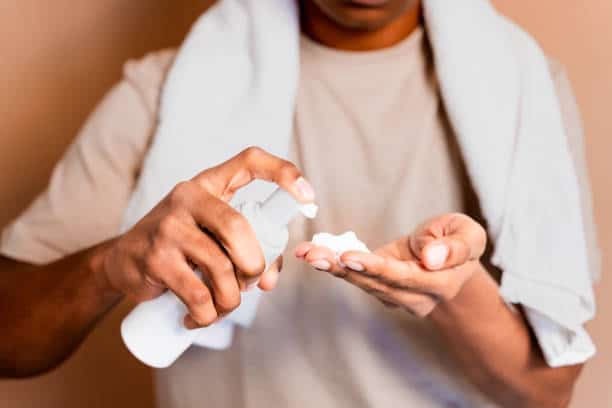
Another thing to keep in mind is the impact of layering too many brightening actives at once. This is another common trap that worsens skin, although it might seem like a good thing at first.
If your goal is to fade spots, you should scour products for ingredients like vitamin C, retinoids, niacinamide, and azelaic acid. These can fade spots by reducing tyrosinase, the enzyme that drives melanin production. However, if you combine too many of them aggressively, you can overwhelm the skin, causing barrier disruption and rebound inflammation. Not good for hyperpigmentation!
To begin, start with one active at a time: try vitamin C in the morning for antioxidant protection, or a gentle retinoid at night a few times weekly. The goal here is to build tolerance over weeks before adding another.
And as always, patch-test new products to ensure your body is not overly sensitive.
RELATED: 5 Natural Remedies for Dark Spots on Brown Skin
Failing to Address Other Factors
We must also remember – in this fight against spots and marks – that not all root causes are on the surface. If you have persistent active acne, new inflammation will keep generating fresh PIH. In these cases, you should prioritize gentle acne management. For this, you can use products such as non-comedogenic cleansers, niacinamide to calm oil production, or prescription options if needed.
Don’t pick or pop pimples! This increases trauma and directly boosts melanin in the area. Heat exposure (long hot showers, saunas) can also increase blood flow and inflammation, so keep showers lukewarm.
Consider a sample week. In the morning, you can cleanse gently, apply vitamin C serum (or niacinamide) to brighten, moisturize, then apply broad-spectrum SPF 30+ before you go outside.
Then in the evenings, you can cleanse, use a gentle exfoliant one to two times weekly, and follow with a hydrating treatment like hyaluronic acid or ceramide moisturizer.
As a weekly practice, just make sure you limit actives. Instead, focus on barrier repair with soothing ingredients like centella or oat extracts.
Overall, patience is essential. Don’t get discouraged if results don’t happen right away. Fading can take one to three months or longer, depending on depth and skin type. To give yourself motivation, track your progress with photos in consistent lighting, and consult a dermatologist if things don’t improve after months on end.
Just make sure you steer clear of common mistakes. Don’t skip sunscreen, don’t over-exfoliate, don’t overload actives, don’t ignore acne, and don’t chase cheap, harmful, quick fixes. The ultimate objective here is to empower your skin to heal naturally by giving it the natural ingredients it needs.
With these smarter habits, you’ll be able to protect what you’ve got and pave the way for an even more radiant tone. Stick to the plan, and hold yourself accountable. Dermatology apps like Miiskin, First Derm, iDoc24, and DermatologistOnCall are all great ways to connect to professionals, get help, and track your journey.
With some consistency, a keen eye for new issues, and a focus on holistic healing, your path to healthier skin is a whole lot smoother.