• Skip to main content
  • Skip to secondary menu
  • Skip to primary sidebar
  • Skip to footer
BlackDoctor.org
Where Wellness & Culture Connect

Where Wellness & Culture Connect

  • Conditions
  • Wellness
  • Lifestyle
  • Longevity
  • Clinical Trials
  • Resources
    • Generational Health
    • Top Blacks in Healthcare 2025
    • Hall Of Fame
    • Clinical Trials Resource Center
    • Obesity Resource Center
    • Cancer Resource Center
    • Wellness on the Yard
    • Immunocompromised Care
    • BDO Resource Library
  • Find A Doctor
  • BDO TV
Home / Health Conditions / Diabetes / Diabetic Retinopathy: 1.2 Million African Americans To Be At Risk By 2030

Diabetic Retinopathy: 1.2 Million African Americans To Be At Risk By 2030

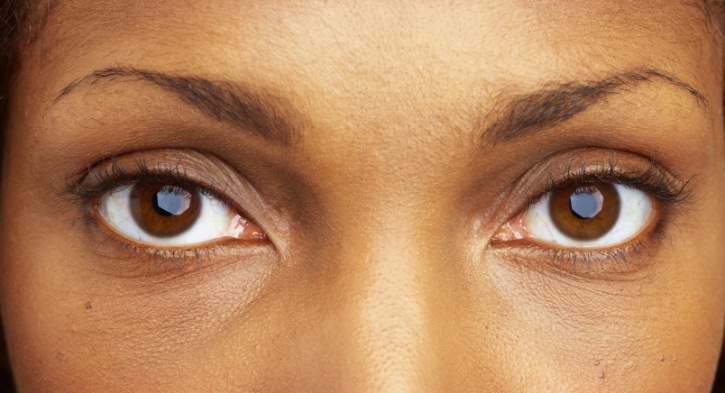
close-up of a woman's eyes

You can’t feel it. You can’t see it—until it’s too late. Diabetic retinopathy, the most common form of diabetic eye disease, is the leading cause of blindness in adults age 20–74. It occurs when diabetes damages blood vessels in the retina.

Diabetic retinopathy affects 7.7 million Americans, and that number is projected to increase to more than 11 million people by 2030. Many African Americans are included in these statistics. According to the National Eye Institute (NEI), more than 800,000 African Americans have diabetic retinopathy, and this number is projected to increase to approximately 1.2 million people by 2030.

MUST READ: The 8 People You Need On Your Diabetes Care Team

You May Also Like

Psoriatic Arthritis Can Feel Beyond Your Control. Consider a Different Direction. Learn More Here. Psoriatic Arthritis Can Feel Beyond Your Control. Consider a Different Direction. Learn More Here.

Dr. Paul Sieving, director of NEI, says, “Only about half of all people with diabetes get an annual comprehensive dilated eye exam, which is essential for detecting diabetic eye disease early, when it is most treatable.”

With no early symptoms, diabetic eye disease—a group of conditions including cataract, glaucoma, and diabetic retinopathy—can affect anyone with type 1 or type 2 diabetes. African Americans are at higher risk for losing vision or going blind from diabetes. According to the Centers for Disease Control and Prevention, 13 percent of African Americans have diagnosed diabetes.

The longer a person has diabetes, the greater the risk for diabetic eye disease. Once vision is lost, it often cannot be restored.

You May Also Like
Get GLP-1s Delivered to You As Low As $99/Month! Get GLP-1s Delivered to You As Low As $99/Month!

Keeping diabetes in control is key to slowing the progression of vision complications like diabetic retinopathy. There are important steps people with diabetes can take to keep their health on TRACK:

▪ Take your medications as prescribed by your doctor.

▪ Reach and maintain a healthy weight.

▪ Add physical activity to your daily routine.

▪ Control your ABC’s—A1C, blood pressure, and cholesterol levels.

▪ Kick the smoking habit.

Additionally, people with diabetes should have annual comprehensive dilated eye exams to help protect their sight. Early detection, timely treatment, and appropriate follow-up care can reduce a person’s risk for severe vision loss from diabetic eye disease by
95 percent.

“More than ever, it’s important for people with diabetes to have a comprehensive dilated eye exam at least once a year. New treatments are being developed all the time, and we are learning that different treatments may work best for different patients. What hasn’t changed is that early treatment is always better,” says Dr. Suber Huang, chair of the Diabetic Eye Disease Subcommittee for NEI’s National Eye Health Education Program (NEHEP) and member of the NEI-funded Diabetic Retinopathy Clinical Research Network (DRCR.net). “There has never been a more hopeful time in the treatment of diabetic retinopathy,” he adds.

Remember, if you have diabetes, make annual comprehensive dilated eye exams part of your self-management routine. Living with diabetes can be challenging, but you don’t have to lose your vision or
go blind because of it. To help friends and loved ones reduce their risk, share this article.

For more information on diabetic eye disease, tips on finding an eye care professional, or information on financial assistance, visit http://www.nei.nih.gov/diabetes or call NEI at 301–496–5248.

By Derrick Lane | Published March 18, 2021

The Latest In Diabetes

herbs

These 6 Herbs Are GAME-CHANGERS For Lowering Blood Sugar

One in ten adults across the world is dealing with elevated blood sugar.  And while you’ve probably heard of common medications like Metformin and even GLP-1s for diabetes, it turns out, there are also plenty of natural remedies that can read more about These 6 Herbs Are GAME-CHANGERS For Lowering Blood Sugar
holiday dishes

10 Tasty Holiday Dishes (That Are Easy on Your Blood Sugar and Your Skillet!)

While adopting a vegetarian diet can’t cure diabetes, some studies show that it can be beneficial in other ways. When living with diabetes, you need to pay strict attention to what you eat and how food affects your blood sugar read more about 10 Tasty Holiday Dishes (That Are Easy on Your Blood Sugar and Your Skillet!)
This AI Tool Detects Diabetic Eye Disease Faster in Black Americans

This AI Tool Detects Diabetic Eye Disease Faster in Black Americans

Despite the challenges of living with diabetes, a new AI-driven detection tool can help ease the burden of the disease. Researchers from Johns Hopkins Medicine and the University of Wisconsin-Madison have published a study on the use of autonomous artificial read more about This AI Tool Detects Diabetic Eye Disease Faster in Black Americans
herbal teas

3 Herbal Teas You Should Kick Out of the Kitchen

When you’re living with diabetes, you get used to watching what you eat. However, you still may not be aware of how a simple cup of tea can affect your health. According to health experts, certain types of tea can read more about 3 Herbal Teas You Should Kick Out of the Kitchen

Tyler Perry at 56: The ONE Reason He Doesn’t Like The “Happy Birthday” Song

Born into poverty and raised in a household scarred by abuse, Tyler Perry learned from a young age to find the strength, faith, and perseverance that would later form the foundations of his much-acclaimed plays, films, books, and movies. Once read more about Tyler Perry at 56: The ONE Reason He Doesn’t Like The “Happy Birthday” Song

10 Quick & Easy Diabetes-Friendly Snacks

Managing diabetes doesn’t mean giving up on tasty snacks. In fact, smart snacking can help keep your blood sugar steady, curb cravings, and give you the energy you need to get through the day. The key is choosing foods that read more about 10 Quick & Easy Diabetes-Friendly Snacks

Primary Sidebar

Subscribe to our newsletter

Icon

Caring for You, Too - Caregiver Workbook

1 file(s) 297 KB
Download

Trending Articles

Weight Loss Challenge: Lose 10 Pounds In 2 Weeks!

lose 10 pounds in 2 weeks

Stage 4 Lung Cancer: Why I Said Yes to a Clinical Trial

Stage 4 Lung Cancer: Why I Said Yes to a Clinical Trial

Top 10 Ways to Improve Your Digestion Naturally

digestion

This Clinical Trial Is Making HIV Treatment Easier for Black People

This Clinical Trial Is Making HIV Treatment Easier for Black People

A Clinical Trial Extended the Life of Women With Hard-to-Treat Breast Cancer

A Clinical Trial Extended the Life of Women With Hard-to-Treat Breast Cancer
Find a Culturally Sensitive Doctor

Footer

Where Wellness & Culture Connect

BDO is the world’s largest and most comprehensive online health resource specifically targeted to African Americans. BDO understands that the uniqueness of Black culture - our heritage and our traditions - plays a role in our health. BDO gives you access to innovative new approaches to the health information you need in everyday language so you can break through the disparities, gain control and live your life to its fullest.

Connect With Us

Resource Centers

  • Top Blacks in Healthcare
  • Clinical Trials
  • Wellness on the Yard
  • Cancer
  • Immunocompromised Care
  • About Us
  • Privacy Policy
  • Cookie Policy
  • Terms of Service
  • Careers
  • Advertise With Us
  • Advertising & Sponsorship Policy
  • Daily Vitamina
  • TBH

Copyright © 2025, Black Doctor, Inc. All rights reserved.