

• Skip to main content
  • Skip to secondary menu
  • Skip to primary sidebar
  • Skip to footer
BlackDoctor.org
Where Wellness & Culture Connect

Where Wellness & Culture Connect

  • Conditions
  • Wellness
  • Lifestyle
  • Longevity
  • Clinical Trials
  • Resources
    • Generational Health
    • Top Blacks in Healthcare 2025
    • Hall Of Fame
    • Clinical Trials Resource Center
    • Obesity Resource Center
    • Cancer Resource Center
    • Wellness on the Yard
    • Immunocompromised Care
    • BDO Resource Library
  • Find A Doctor
  • BDO TV
Home / Wellness / Womens Health / Is Douching Safe? Why This Common Habit Can Be Dangerous

Is Douching Safe? Why This Common Habit Can Be Dangerous

douching meaning

Sisters, you’ve had a long day, maybe just got home from work or after a night out, and you notice a little odor or discharge. Your first thought? “I need to douche.”

You’re not alone. Millions, yes millions, of women have reached for a douche thinking it’s the shortcut to feeling clean. But here’s the truth: douching isn’t the quick fix you think it is, and in many cases, it can actually do more harm than good.

Before you grab that bottle, let’s break down what douching really is, why so many women do it, and if there are safer, smarter alternatives to keeping your vagina healthy.

You May Also Like
Psoriatic Arthritis Can Feel Beyond Your Control. Consider a Different Direction. Learn More Here. Psoriatic Arthritis Can Feel Beyond Your Control. Consider a Different Direction. Learn More Here.

What is Douching?

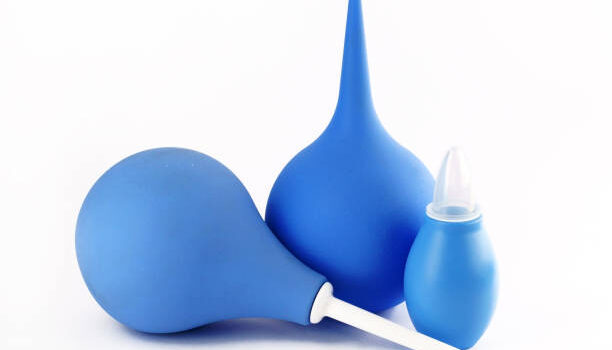
“Douching” is from the French word douche, which means “wash.” It is the practice of rinsing or cleansing the vagina with a liquid solution.

These solutions often mix water with vinegar, baking soda, or soap. Some people buy store-bought kits with antiseptic cleaning solutions and high-pressure applicators for injecting the solution.

According to the Office on Women’s Health (OWS), about one in five American women aged 15–44 have tried douching, usually to:

You May Also Like
Get GLP-1s Delivered to You As Low As $99/Month! Get GLP-1s Delivered to You As Low As $99/Month!

  • Eliminate odor, itching, or discharge

  • Prevent pregnancy or infections (though it doesn’t work)

  • Feel cleaner after sex

“People choose to douche because they don’t feel clean enough,” says Cleveland Clinic nurse practitioner Molly Gumucio. “They have an odor and they’re trying to get rid of it. Or after intercourse, sometimes, they want to use it.”

RELATED: Dr. Drai Says: “Leave Your Vagina Alone!”

Is Douching Safe?

Simply put, no, it is not considered safe and can actually increase your risk for infections and other health problems. It’s also a huge myth that douching can prevent pregnancy or infections.

“Douching is not advised because the vagina is a self-cleaning organ,” Gumucio explains in a recent Cleveland Clinic article. “When you try to cleanse it yourself by using a douche, you actually flush out the normal, healthy microbes as well as temporarily change the pH, which changes the acidic versus basic nature of the vagina.”

Because the vagina is a self-cleaning organ, using a douche can also encourage an overgrowth of bacteria or fungus.

This can lead to:

  • Yeast infections

  • Bacterial vaginosis

  • Sexually transmitted infections

  • Pregnancy complications, including ectopic pregnancy and preterm birth

  • Vaginal dryness and irritation

  • In rare cases, pelvic inflammatory disease from high-pressure applicators

RELATED: Health Risks of Douching
is douching safe

What to Do Instead of Using a Douche 

The OWS says that you shouldn’t do anything instead of douching.

It’s best to allow your vagina to cleanse itself, as it was built to do. It does this by making mucus, which helps flush out blood, vaginal discharge, and semen.

“Some over-the-counter products can make symptoms worse or irritate your skin,” Gumucio warns.

You should simply wash the outside of your vagina regularly with mild soap and water to cleanse away whatever was discharged in the mucus. This can help cut down on vaginal odors, itching, and recurring infections.

“Try to avoid using scented body wash and just stick to warm water and gentle soaps that usually don’t strip away all that good bacteria and flora,” Gumucio advises.

The OWS and Gumucio also recommend steering clear of scented feminine hygiene products, like perfumed tampons, sprays, and powders.

“Some of the over-the-counter products tend to make your symptoms worse or irritate your skin,” Gumucio shares.

When to Seek Medical Advice

If vaginal odor, discharge, redness, burning, or pain during sex or urination don’t clear up in about a week, the Cleveland Clinic suggests making an appointment to see your doctor.

Gumucio explains that, “if you smell a persistent and foul odor, or if any odor is accompanied by a thick or greenish discharge, you may have an infection. If you have pain, rawness, or sores in your vaginal area, it’s time to consult your doctor.”

RELATED: Top 10 Myths About Women’s Sexual Health

FAQ About Douching

What is douching?

Most people douche to feel cleaner, reduce odor, or prevent infection, but it’s proven to be ineffective.

What is the meaning of douching?

Douching literally means washing out the vagina with a liquid solution, often for perceived hygiene benefits.

Is douching safe?

No. Douching can disrupt healthy vaginal bacteria, change pH, and increase infection risk.

Can it prevent pregnancy or infections?

No. Using a douche does not prevent pregnancy or sexually transmitted infections.

How should I clean my vagina safely?

Stick to washing the vulva with mild soap and warm water. Let your vagina naturally maintain its balance. Avoid scented products.

RELATED: 8 Ways Your Vagina Changes After 40

The Bottom Line on Douching

Douching may feel like a quick way to feel fresh, but it’s not a safe or effective way to care for your vagina.

Your body knows how to keep itself clean. Your best bet is to practice gentle hygiene, stay aware of any unusual symptoms, and consult your doctor if something feels off.

Skip the douche and let your vagina do its thing; it’s smarter than any quick rinse could ever be.


By Jason Henderson, BDO Staff Writer | Published October 22, 2025

October 22, 2025 by Jason Henderson

The Latest In Womens Health

preterm birth

What Moms Can Do and Should Know About Preventing Preterm Birth

The journey to motherhood is often envisioned as a smooth, predictable path, yet for many, the reality of pregnancy can bring unexpected challenges. A common pressure point for expectant mothers is the fear of preterm birth (delivery before 37 weeks) read more about What Moms Can Do and Should Know About Preventing Preterm Birth
triple-negative breast cancer

Your Risk For Triple-Negative Breast Cancer Depends On Where You’re From

For years, the common understanding around triple-negative breast cancer has been straightforward. Black American women face this aggressive cancer at higher rates than women in other racial groups. Research from the American Cancer Society (ACS) reveals a more complex story. read more about Your Risk For Triple-Negative Breast Cancer Depends On Where You’re From
nutrients

7 Nutrients Black Women Are Most Likely Missing

Even with a balanced diet, many Black women may fall short of critical vitamins and minerals due to genetic, physiological, lifestyle, and social factors. Below are seven nutrients frequently under-recognized, their signs, challenges to absorption, and how to address them: read more about 7 Nutrients Black Women Are Most Likely Missing

Genetic Testing & Ovarian Cancer: What Black Women Need to Know

In an era where medical advancements are rapidly evolving, genetic testing has emerged as a powerful tool in the fight against cancer, particularly ovarian cancer. Dr. Kevin Holcomb, chair of Obstetrics and Gynecology at Long Island Jewish Medical Center and read more about Genetic Testing & Ovarian Cancer: What Black Women Need to Know
Dr. Jackie Walters

Married to Medicine’s Dr. Jackie Walters On What Women Get Wrong About Birth Control

Dr. Jackie Walters wears many hats. She’s a practicing OB-GYN, a two-time breast cancer survivor, and a reality TV star on Bravo’s Married to Medicine. But ask her what truly drives her, and the answer isn’t fame or cameras—it’s helping read more about Married to Medicine’s Dr. Jackie Walters On What Women Get Wrong About Birth Control
best probiotics for women

The Benefits of Probiotics for Women

When you hear the word bacteria, you probably don’t think of health benefits—but probiotics for women are gaining attention for good reason. These beneficial bacteria help keep your gut and vaginal health in check while giving your immune system a read more about The Benefits of Probiotics for Women

Primary Sidebar

Subscribe to our newsletter

Icon

Caring for You, Too - Caregiver Workbook

1 file(s) 297 KB
Download

Trending Articles

10 Foods Your Liver Wishes You Would Would Stop Eating

healthy liver

The 7 Most Dangerous Leftovers to Reheat Are…

leftovers

Weight Loss Challenge: Lose 10 Pounds In 2 Weeks!

lose 10 pounds in 2 weeks

Secrets For A Non-Damaging Silk Press

silk press

Stage 4 Lung Cancer: Why I Said Yes to a Clinical Trial

Stage 4 Lung Cancer: Why I Said Yes to a Clinical Trial
Find a Culturally Sensitive Doctor

Footer

Where Wellness & Culture Connect

BDO is the world’s largest and most comprehensive online health resource specifically targeted to African Americans. BDO understands that the uniqueness of Black culture - our heritage and our traditions - plays a role in our health. BDO gives you access to innovative new approaches to the health information you need in everyday language so you can break through the disparities, gain control and live your life to its fullest.

Connect With Us

Resource Centers

  • Top Blacks in Healthcare
  • Clinical Trials
  • Wellness on the Yard
  • Cancer
  • Immunocompromised Care
  • About Us
  • Privacy Policy
  • Cookie Policy
  • Terms of Service
  • Careers
  • Advertise With Us
  • Advertising & Sponsorship Policy
  • Daily Vitamina
  • TBH

Copyright © 2025, Black Doctor, Inc. All rights reserved.