• Skip to main content
  • Skip to secondary menu
  • Skip to primary sidebar
  • Skip to footer
BlackDoctor.org
Where Wellness & Culture Connect

Where Wellness & Culture Connect

  • Conditions
  • Wellness
  • Lifestyle
  • Longevity
  • Clinical Trials
  • Resources
    • Generational Health
    • Top Blacks in Healthcare 2025
    • Hall Of Fame
    • Clinical Trials Resource Center
    • Obesity Resource Center
    • Cancer Resource Center
    • Wellness on the Yard
    • Immunocompromised Care
    • BDO Resource Library
  • Find A Doctor
  • BDO TV
Home / Health Conditions / Alopecia / FDA Approves First Pill to Treat Severe Alopecia

FDA Approves First Pill to Treat Severe Alopecia

alopecia

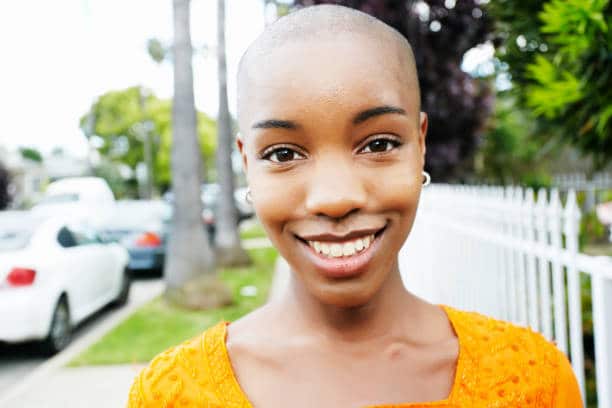
For many of us, our hair is our pride and glory, so experiencing hair loss can bring us great grief. Alopecia is a disease that affects Blacks more than white or Asian Americans. If you are one of the people living with this disease, there is a new, first-of-its-kind treatment that may be able to provide you some relief. The first pill to treat adults with severe alopecia was approved by the U.S. Food and Drug Administration on Monday.

Olumiant (baricitinib) is the first FDA-approved alopecia therapy that treats the entire body rather than a specific spot, the agency said in a news release announcing the approval.

"Access to safe and effective treatment options is crucial for the significant number of Americans affected by severe alopecia," Dr. Kendall Marcus, director of the Division of Dermatology and Dentistry in the FDA's Center for Drug Evaluation and Research at the FDA, said in the news release. "Today's approval will help fulfill a significant unmet need for patients with severe alopecia areata."

You May Also Like
Psoriatic Arthritis Can Feel Beyond Your Control. Consider a Different Direction. Learn More Here. Psoriatic Arthritis Can Feel Beyond Your Control. Consider a Different Direction. Learn More Here.

RELATED: Black Women & CCC Alopecia: 5 Things You Must Know

What is alopecia areata?

Alopecia areata is an autoimmune disorder in which the body attacks its own hair follicles, causing hair to fall out, often in clumps. It affects more than 300,000 people in the United States each year, according to the FDA.

One of those is actress Jada Pinkett Smith, who first revealed her struggles with hair loss in 2018.

You May Also Like
Get GLP-1s Delivered to You As Low As $99/Month! Get GLP-1s Delivered to You As Low As $99/Month!

For most people, the disease involves one or a few small bald patches on the head. But those with severe cases may notice small bald spots on their heads one day, and then they no longer have any hair on their bodies three months, or even three weeks, later.

Take the case of Christian Daniels. The 27-year-old data center technician from Peoria, Ill., says his hair started falling out when he was 25. Within a month, all of his body hair was gone.

Even his vision was affected: Without eyelashes, dust would get into his eyes and irritate them so much he began putting Vaseline on his eyelids.

The pandemic was a "blessing in disguise" because he could work at home.

"I felt like my life had been put on hold," he told The New York Times. "I felt like the only thing that mattered was how to get my hair back."

Now, after being part of a trial of the drug that prompted the FDA approval, "It's almost like it [alopecia] never happened," he says, although he still looks in a mirror sometimes and has a flashback to his hairless self.

How the pill works

So, how exactly does this life-changing pill work?

Olumiant is a Janus kinase (JAK) inhibitor that works by interfering with the cellular pathway that triggers inflammation. It was first approved in 2018 to treat rheumatoid arthritis, according to the FDA.

The agency's approval of the drug from Eli Lilly and Co. is based on two clinical trials that included 1,200 alopecia patients with at least 50% hair loss who took either 2 or 4 milligrams of Olumiant or a placebo every day.

After 36 weeks, rates of patients who achieved at least 80% hair coverage were 17% and 22% for those who took 2 milligrams of Olumiant and 32% and 35% of those who took 4 milligrams of the drug. That compared with 3% and 5% of those who took a placebo, according to the FDA.

Are there any side effects?

Like most health-conscious adults, you're probably wondering if you can expect any side effects. Here's what you need to know.

The most common side effects associated with Olumiant included: upper respiratory tract infections, headache, acne, high cholesterol, increase of an enzyme called creatinine phosphokinase, urinary tract infection, liver enzyme elevations, inflammation of hair follicles, fatigue, lower respiratory tract infections, nausea, genital yeast infections, anemia, low number of certain types of white blood cells, abdominal pain, shingles and weight gain.

Olumiant should not be used in combination with other JAK inhibitors or any other potent immunosuppressants, the FDA warned. The drug carries a boxed warning for serious infections, death, cancer, major heart problems and blood clots.

If you are taking this drug, you should be closely monitored for infection during and after treatment and checked for latent and active tuberculosis before treatment, the FDA advises.

With the FDA approval will come insurance coverage for these expensive drugs, which have a list price of nearly $2,500 a month, The New York Times reports. Two other companies, Pfizer and Concert Pharmaceuticals, are close behind Lilly with similar drugs that are already on the market for the treatment of rheumatoid arthritis and other autoimmune diseases.


For more on alopecia areata, visit the U.S. National Library of Medicine.

By Cara Jones, BDO Staff Writer | Published June 14, 2022

The Latest In Alopecia

traction alopecia

A Dermatologist Explains: How to Reverse Traction Alopecia

Struggling with thinning edges, receding hairlines, or breakage? For many Black women, hair is more than just style—it’s history, culture, and confidence. That’s why hair loss, especially traction alopecia, can feel so overwhelming. It’s not just about appearance—it’s about protecting read more about A Dermatologist Explains: How to Reverse Traction Alopecia
hair loss

A Dermatologist Explains: How to Spot and Treat Hair Loss in Black Hair

Struggling with thinning edges, bald spots, or breakage? For many Black women, hair is more than just style—it’s a core part of our identity and self-expression. That’s why hair loss, also known as alopecia, can feel so overwhelming. It’s not read more about A Dermatologist Explains: How to Spot and Treat Hair Loss in Black Hair
hair loss

How I Turned My Hair Loss Into a Healing Empire

For many, the path to purpose is paved with personal trials. For Taneka Walker, a retired military veteran and board-certified nurse practitioner, the journey to opening her clinic—Walker Wellness and Aesthetics—was born from deeply personal experiences with hair loss, weight read more about How I Turned My Hair Loss Into a Healing Empire
hair growth

Can A Balanced Diet Promote Hair Growth?

By now, you know that a balanced diet can do more for your body than just make you feel good. A balanced diet can help lessen your symptoms. A balanced diet can help prevent certain illnesses that can develop over read more about Can A Balanced Diet Promote Hair Growth?
low level light therapy

Does Low-Level Light Therapy Work For Alopecia?

Nobody likes losing hair.  Thinning hair, receding hairlines, pattern baldness - all these conditions can be distressing. We feel less attractive, we feel older, and sometimes we feel like there’s nothing we can do! While most of us will experience read more about Does Low-Level Light Therapy Work For Alopecia?
nail health

What Your Nails Say About Your Health

Many times when people think about alopecia, they only think about hair loss. While this is the most likely cause of the condition, that doesn’t mean it’s the only issue you have to look out for. According to several studies, read more about What Your Nails Say About Your Health

Primary Sidebar

Subscribe to our newsletter

Icon

Caring for You, Too - Caregiver Workbook

1 file(s) 297 KB
Download

Trending Articles

7 Things You Should Never Do To Lose Weight!

lose weight

12 Reasons Why It Feels Like Your Heart Rate Won’t Slow Down

congestive heart failure symptoms

How to Treat Hidradenitis Suppurativa in Black People

How to Treat Hidradenitis Suppurativa in Black People

What Is Congestive Heart Failure?

congestive heart failure

5 Early Signs of Bed Bugs You Need To Know

early signs of bed bugs
Find a Culturally Sensitive Doctor

Footer

Where Wellness & Culture Connect

BDO is the world’s largest and most comprehensive online health resource specifically targeted to African Americans. BDO understands that the uniqueness of Black culture - our heritage and our traditions - plays a role in our health. BDO gives you access to innovative new approaches to the health information you need in everyday language so you can break through the disparities, gain control and live your life to its fullest.

Connect With Us

Resource Centers

  • Top Blacks in Healthcare
  • Clinical Trials
  • Wellness on the Yard
  • Cancer
  • Immunocompromised Care
  • About Us
  • Privacy Policy
  • Cookie Policy
  • Terms of Service
  • Careers
  • Advertise With Us
  • Advertising & Sponsorship Policy
  • Daily Vitamina
  • TBH

Copyright © 2025, Black Doctor, Inc. All rights reserved.