

When a woman reaches menopause, she enters a transforming era of her life that signifies the end of her reproductive years and the beginning of a new chapter. This stage is not merely a biological milestone — it’s a shift that can influence every part of her physical, emotional, and mental landscape. While every woman’s journey is unique, understanding what to expect can make the transition smoother and less intimidating. In the process of embarking on your first year of menopause, there are a few things that you need to be prepared for, both physically and mentally.
One of the First Signs of Menopause
One of the earliest and most recognizable indicators of menopause is a shift in hormone levels. These hormones — particularly estrogen and progesterone — play a major role in regulating the menstrual cycle. As their levels begin to fluctuate, you may notice changes such as irregular periods, heavier or lighter bleeding, or skipped cycles. Eventually, menstruation may stop altogether.
Hot flashes and night sweats also tend to make their grand entrance during this phase. These sudden waves of heat, often spreading from the chest or face throughout the body, can strike unexpectedly and leave you flushed or drenched in sweat. Night sweats, which occur during sleep, can lead to fatigue and interrupted rest. Though uncomfortable, these symptoms are your body’s way of adapting to internal hormonal adjustments — a temporary turbulence before things find a new balance.
You May Also Like

It may also help to track your symptoms. Keeping a small journal of changes in your cycle, sleep patterns, or body temperature can help you recognize patterns and discuss them more effectively with your doctor.
RELATED: Menopause Symptoms: What To Expect

You May Also Like
Physical Manifestations of Menopause
Menopause doesn’t look the same for every woman. While some experience only mild symptoms, others face more noticeable physical changes. One common effect is vaginal dryness, caused by reduced estrogen, which can make intimacy uncomfortable. Lubricants or moisturizers can often provide relief and restore comfort.
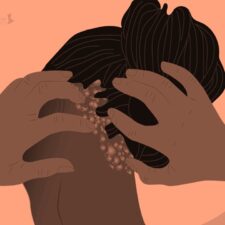
Changes to the skin and hair are also common. You may notice that your skin feels drier or thinner than before, or that wrinkles become more visible. Some women even experience hair thinning or loss of volume. These changes can be frustrating, but they’re manageable with proper skincare, hydration, and a balanced diet.
Weight changes are another reality for many. As metabolism slows, maintaining the same body weight can become more challenging. Staying active — through walking, yoga, or strength training — helps preserve muscle mass and boosts mood and energy levels. Remember: these adjustments don’t define you. They’re just part of your body’s natural evolution.
Emotional Impacts Of Menopause
However, the effects of menopause are not limited to the world of what is physically present. Suddenly, you may find yourself caught off guard by the following emotional roller coaster. The occurrence of mood swings, impatience, anxiety, or even episodes of despair is not unusual. During this phase of transition, it might be helpful to recognize the emotional effects of menopause and seek assistance in order to negotiate this shift with grace and fortitude.
RELATED: Early vs. Premature Menopause: What’s the Difference?
Potential Bone Loss & Increased Risk Of Osteoporosis
It is of the utmost importance to be aware of the fact that menopause is not only a shift in the state of hormonal equilibrium, but it also poses possible hazards to the health of your bones. Bone loss and an increased risk of osteoporosis are both potential outcomes of menopause, which is characterized by a decrease in estrogen levels. It is possible to alleviate these worries by engaging in weight-bearing workouts, ingesting foods that are high in calcium, and conversing with your healthcare physician about the many possibilities for hormone treatment.
Overwhelming But A Natural & Necessary Process
It is vital to keep in mind that menopause is a normal and necessary process, even though the difficulties associated with it may experience feelings of being overpowering at times. This transformation is a sign that you are about to enter a new period of your life, one in which you will begin to have allies in the form of knowledge and power. Adopting self-care practices may achieve empowerment, soliciting support from loved ones and healthcare experts, and maintaining awareness of recent research and therapies.
Once a woman has reached the first year of menopause, she has reached an important milestone in her life. You will be able to begin on this trip with self-assurance if you first have an awareness of the symptoms and then look for helpful treatments. Embrace the changes, recognize the difficulties, and have faith that you possess the inner fortitude to make it through this moment of transition. If you are going through menopause, it might be the beginning of a new and exciting chapter in your life that is full of limitless opportunities.
A Milestone Worth Recognizing
Once a woman has reached the first full year without menstruation, she has crossed a significant milestone. This marks the official arrival of menopause and the beginning of a new phase of life — one that doesn’t have to be defined by discomfort or loss, but by strength, knowledge, and freedom.
Understanding the symptoms, exploring available treatments, and approaching each change with curiosity rather than fear can make all the difference. Embrace the shifts, acknowledge the challenges, and trust that you have the inner resilience to thrive during this transition.
Menopause is not an ending — it’s a renewal. With the right mindset, care, and support, it can mark the start of an empowering, vibrant chapter filled with balance, confidence, and possibility.