Weight-loss medications like Ozempic, Wegovy, and Mounjaro are changing the way millions of people think about managing their health. These GLP-1 drugs are powerful tools, but they also bring a big shift in how your body experiences hunger, fullness, and even pleasure from food.
If you’re using — or considering — a GLP-1 medication, nutrition becomes more important than ever. Eating intentionally helps maintain muscle mass, prevents nutrient deficiencies, and keeps you feeling your best as your appetite and weight adjust.
Let’s break down what’s really happening inside your body and how to build a balanced, sustainable eating plan that supports your long-term goals.
You May Also Like

What are GLP-1 Medications? A Beginner’s Guide
GLP-1 stands for glucagon-like peptide-1, a naturally occurring hormone that helps regulate blood sugar and appetite. Medications like Ozempic (semaglutide), Wegovy, Mounjaro (tirzepatide), and Zepbound mimic this hormone to slow digestion, reduce hunger signals, and stabilize blood sugar levels.
Originally designed to treat type 2 diabetes, GLP-1 drugs have become highly popular for weight management because they help people feel full sooner and stay full longer. Studies show they can reduce body weight by 10–20 percent when combined with healthy lifestyle habits.
Here’s how they work:
You May Also Like

- Slow stomach emptying, meaning food stays in your stomach longer.
- Reduce hunger hormones like ghrelin.
- Enhance satiety signals, making smaller meals feel satisfying.
- Help control blood sugar, preventing spikes and crashes that lead to cravings.
While these changes are incredibly effective for weight loss, they also require intentional eating — because when appetite decreases, nutrition can easily fall through the cracks.
How Your Appetite & Nutrition Change When You’re on Them
One of the first things people notice on GLP-1s is that their relationship with food changes. You might lose interest in meals that once excited you, forget to eat, or feel full after just a few bites.
While this can be great for short-term weight loss, it can also mean:
- You’re not eating enough protein to preserve muscle.
- Your overall calorie intake drops too low.
- You skip key nutrients like fiber, calcium, and iron.
Registered dietitians who work with GLP-1 users emphasize that nutrition quality matters more than quantity. Even if you’re eating less, those smaller meals still need to be nutrient-dense.
Think of it like this: every bite now counts more.
Your body is in a recalibration phase — your hunger cues are quieter, your digestion is slower, and your metabolism is adjusting. Listening to subtle signals (like mild hunger or low energy) becomes an essential skill.
If you find eating uncomfortable, focus on softer, lighter meals spread throughout the day. Smoothies, soups, and yogurt bowls are excellent ways to get nutrients without feeling overfull.
RELATED: Considering Weight Loss Medication? Here’s How to Know Which One Is Right for You
Protein, Veggies & Balanced Bowls: What to Keep on Your Plate
The most common mistake people make with GLP-1s? Not getting enough protein. When you lose weight, your body can shed both fat and muscle — and the less protein you eat, the more likely you are to lose lean mass.
Here’s your new plate formula:
Smart protein sources:
- Chicken, fish, eggs, tofu, tempeh, or Greek yogurt
- Plant options like lentils, beans, edamame, or seitan
- Protein powders (whey, pea, or soy) in smoothies
Vibrant veggie picks:
- Leafy greens (spinach, kale, arugula)
- Roasted veggies (broccoli, carrots, peppers)
- Gut-friendly fermented foods (kimchi, sauerkraut)
Balanced carbs & fats:
- Quinoa, oats, or sweet potatoes for fiber
- Avocado, olive oil, or nuts for healthy fats
Sample bowl combo:
- Grilled salmon
- Quinoa & spinach base
- Roasted broccoli
- Drizzle of olive oil + lemon
This kind of “protein-forward” plate fuels your muscles, stabilizes blood sugar, and keeps energy levels steady even with reduced calorie intake.
Pitfalls to Avoid: Nutrient Deficiencies, Appetite Swings, Mindset
While GLP-1s are powerful tools, they’re not magic — and they work best when paired with self-care and awareness.
1. Skipping meals altogether
When hunger fades, it’s easy to skip meals, but your body still needs steady nutrition to preserve muscle, hormones, and energy. Try eating every four to five hours, even if portions are small.
2. Protein neglect
Low protein = muscle loss. Over time, this can slow metabolism and make it harder to maintain your results. Aim for 20–30 grams of protein per meal (about a palm-sized portion).
3. Vitamin & mineral gaps
Common deficiencies on GLP-1s include B12, vitamin D, iron, and calcium — especially if you’re eating less overall. Talk to your doctor about whether you need a daily multivitamin.
4. Appetite roller-coasters
As your dose adjusts, appetite can fluctuate. Instead of fighting it, plan flexible meals — light days when you’re less hungry, and balanced, hearty meals when your appetite returns.
5. All-or-nothing mindset
GLP-1s are a tool, not a shortcut. They help retrain habits, but real success comes from consistency and self-compassion. Focus on building long-term habits rather than chasing a number on the scale.
Meal Planning with Meds: Making It Easy + Sustainable
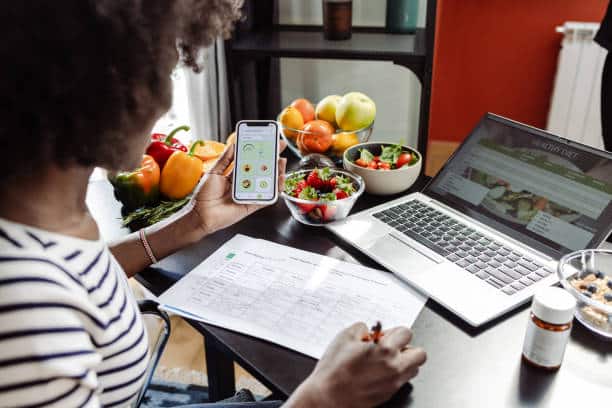
Meal planning while on GLP-1s doesn’t have to be complicated. Think simplicity, color, and comfort. You’re eating smaller portions — so make each bite nourishing and enjoyable.
Breakfast ideas:
- Greek yogurt with berries and chia seeds
- Protein smoothie with spinach and almond butter
- Veggie omelet with whole-grain toast
Lunch ideas:
- Grilled chicken salad with avocado and quinoa
- Lentil soup with olive oil drizzle
- Rice bowl with tofu, mixed veggies, and sesame dressing
Dinner ideas:
- Baked salmon with sweet potatoes and greens
- Shrimp stir-fry with brown rice
- Turkey chili with beans and veggies
Snack ideas:
- Hummus + veggie sticks
- String cheese or boiled eggs
- Protein bar (watch sugar content)
Pro tip: Batch-prep your proteins and veggies at the start of the week so you can mix and match without thinking too hard.
If large meals make you nauseous, break your eating into four or five smaller mini-meals — a “grazing” approach that still hits your nutrition goals.
Hydration is equally key. GLP-1s can slow digestion and increase the risk of constipation, so drink plenty of water and include fiber from fruits, vegetables, and whole grains.
When to Talk to Your Doctor or Dietitian: Safety & Monitoring
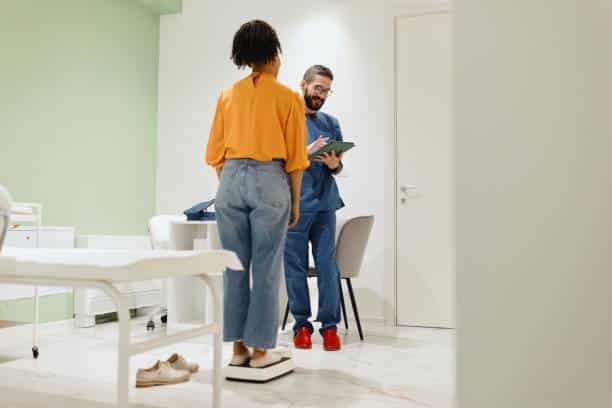
Regular check-ins are vital when you’re taking a GLP-1 medication. Your healthcare team can help you stay balanced — both nutritionally and medically — as your body adjusts.
Talk to your provider if you notice:
- Persistent nausea, vomiting, or dizziness
- Extreme fatigue or muscle weakness
- Unexplained swelling, shortness of breath, or heart palpitations
- Rapid weight loss beyond your doctor’s recommended rate
Dietitians trained in medical weight management can tailor your nutrition plan to your medication dose, activity level, and personal preferences. They can also help you safely transition off the medication, if needed, without rebound weight gain.
Remember: the ultimate goal isn’t just to lose weight — it’s to gain vitality, strength, and confidence in your new rhythm of eating and living.
GLP-1 medications can be life-changing, but they work best when you support them with balanced nutrition, mindful habits, and regular medical guidance.
By focusing on protein, produce, hydration, and gentle consistency, you give your body the tools to thrive while the medication does its job behind the scenes.
Weight loss isn’t just about eating less — it’s about fueling more intentionally. And with a little planning and self-care, those smaller plates can lead to a much bigger life.