
• Skip to main content
  • Skip to secondary menu
  • Skip to primary sidebar
  • Skip to footer
BlackDoctor.org
Where Wellness & Culture Connect

Where Wellness & Culture Connect

  • Conditions
  • Wellness
  • Lifestyle
  • Longevity
  • Clinical Trials
  • Resources
    • Generational Health
    • Top Blacks in Healthcare 2025
    • Hall Of Fame
    • Clinical Trials Resource Center
    • Obesity Resource Center
    • Cancer Resource Center
    • Wellness on the Yard
    • Immunocompromised Care
    • BDO Resource Library
  • Find A Doctor
  • BDO TV
Home / Wellness / AI & Technology Dependencies / How Wearable Technology Offers Freedom for Diabetics

How Wearable Technology Offers Freedom for Diabetics

wearable technology

The complexities of diabetes are being explored by medical device manufacturers and scientists. There have been several types of revolutionary wearable technology recently approved by the Food and Drug Administration (FDA) for people with diabetes. There may be many more new types of technology in the future. 

What is Wearable Technology for Type I Diabetes?

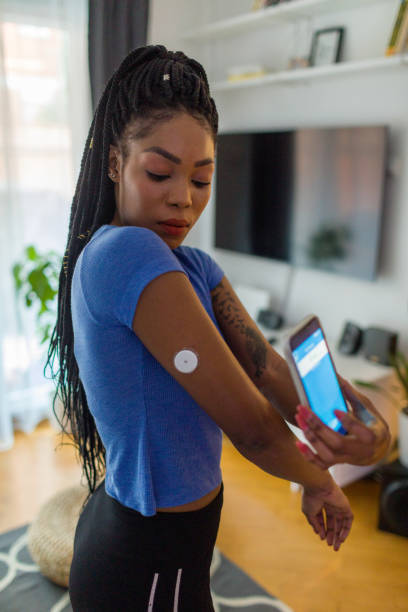
Wearable tech for diabetics includes continuous glucose monitors (CGMs) and insulin pumps, which can help a diabetic manage blood sugar much more easily and efficiently. The technology was originally made for people with type 1 diabetes, but the technology has expanded to be available for those with type II diabetes as well.

The uniqueness of CGM monitoring devices is that, unlike the old glucometers, this new technology allows diabetics to track glucose levels on an ongoing basis. Insulin pumps deliver exact amounts of insulin at each dose. When the two systems are used together, the result is better control of blood sugar than ever before.

You May Also Like

Psoriatic Arthritis Can Feel Beyond Your Control. Consider a Different Direction. Learn More Here. Psoriatic Arthritis Can Feel Beyond Your Control. Consider a Different Direction. Learn More Here.

Usually every five minutes, a CGM detects blood sugar with an implantable or stick-on (attached to the skin) sensor that detects blood glucose levels in real-time. A sensor can either be implanted in the skin (the physician places a small cannula just under the skin) or attached to the skin with adhesive. Depending on the CGM model you use, you need to replace the sensors every 10 to 90 days. Depending on the CGM model, a transmitter connects to the sensor to transmit blood glucose readings either to your monitoring device or to your smartphone.

RELATED: How to Prepare for a Diabetic Emergency

Features of Wearable Technology

Some models, such as the Dexcom CGM System were designed for use in children (over age 2) as well as for adults. Other features of some of the wearable tech devices include: 

You May Also Like
Get GLP-1s Delivered to You As Low As $99/Month! Get GLP-1s Delivered to You As Low As $99/Month!

  • Transmits glucose levels as often as every five minutes 
  • Can set alarms for notification of high and low blood glucose levels
  • High accuracy levels
  • Some units offer integration with insulin pumps to automatically dispense the right amount of insulin (according to blood glucose levels)
  • Readings can be transmitted directly to a smartphone (with some models)
  • No finger pricks are needed (most units come pre-calibrated from the factory)

RELATED: 4 Reasons Why You Should Monitor Your Blood Glucose

What are Automatic Insulin Pumps?

Before advanced medical technology was available, people with type 1 diabetes had to self-inject insulin. Today, there are more convenient options available, including an insulin pump. An insulin pump is a small, portable device worn outside of the body (e.g., attached to a belt, worn around the waist, or attached an armband).

How Do Insulin Pumps Work?

An insulin pump delivers insulin under the skin (into a layer of fat tissue) through a thin tube called a catheter. Pumps work by delivering small amounts of short-acting insulin continuously (called the basal rate) and then a varying amount of insulin in response to a large meal (called a bolus). You can use bolus calculators on insulin pumps to figure out how much bolus insulin to take, based on your blood sugar level and food intake. The insulin pump works just like the human pancreas.

Features of Automatic Insulin Pumps

Automatic insulin pumps work with some CGG models. Insulin pump features vary, depending on the model, the features of automatic insulin pumps include:

  • Compatibility with some continuous glucose monitor models. 
  • Batteries are rechargeable
  • Some devices are waterproof for a limited time (i.e., up to 3 feet for 30 minutes)
  • Rechargeable battery
  • Automatically adjusts basal insulin delivery and delivers correct dose according to a person’s blood glucose level
  • Helps lower the frequency and duration of blood sugar abnormalities 
  • Bluetooth technology used for communication
  • Works on smartphone apps

Diabetes Management: Glucose Meters & Test Strip Safety

Wearable Technology May Improve Your Lifestyle

A study published in The British Medical Journal in 2019 found that people with diabetes, as well as caregivers, found CGM devices easier to use in monitoring glucose levels. In addition, the study found that real-time wearable tech - devices that automatically send data - for diabetics may be better for seniors with diabetes.

Advantages

There are many advantages of wearable technology, including

  • Limited finger sticks 
  • Healthier blood sugar levels
  • Reduces dangerous effects of high and low blood sugar levels (such as disorientation or unconsciousness)
  • Lower incidence of diabetic complications (such as vision problems, damage to nerves and more)
  • Can assist people who have trouble remembering to perform regular blood sugar checks (such as children and seniors with cognitive deficits)
  • May help people who otherwise have trouble identifying warning signs of low blood sugar

By Sherry Christiansen | Published January 20, 2022

The Latest In AI & Technology Dependencies

wellness app

The Surprising Ways Your Wellness App Is Working Against You

We love our wellness apps: they track steps, monitor sleep, count calories, and encourage mindfulness. But beneath the glossy interface lie many pitfalls — especially for people whose bodies, lifestyles, or skin tones were not centered in the design of read more about The Surprising Ways Your Wellness App Is Working Against You
innovations

Healthcare in 2025: 5 Mind‑Blowing Innovations You Can Use Today

Whether we like it or not, systemic health disparities are a thing. Marginalized communities, forgotten projects, and low-income areas simply do not have the access that other places take for granted. While legal frameworks and grassroots efforts help, there is read more about Healthcare in 2025: 5 Mind‑Blowing Innovations You Can Use Today
AI therapy

Illinois Bans AI Therapy, Leaving Black Families With Fewer Options

Artificial intelligence is increasingly used in mental health care through virtual therapists in VR settings, digital therapeutics, chatbots for symptom tracking, and wearable devices that monitor patients. While these tools show promise in reducing symptoms and improving access, experts caution read more about Illinois Bans AI Therapy, Leaving Black Families With Fewer Options
AI

Don’t Let a Chatbot Mislead You on Your Health

Artificial intelligence (AI) is moving fast into the world of healthcare. It’s in hospital systems, medical research, and even in our phones, ready to answer health questions in seconds. However, new studies are revealing that while AI can be beneficial, read more about Don’t Let a Chatbot Mislead You on Your Health
AI in healthcare

Code, Context, and Care: Navigating the Crossroads of AI and Healthcare Ethics

AI is rapidly changing the future of healthcare. Its ability to analyze complex medical and research data is helping improve diagnostics, drug development, and our overall knowledge of healthcare! But along with its promise comes serious ethical questions, particularly around read more about Code, Context, and Care: Navigating the Crossroads of AI and Healthcare Ethics
AI therapy

The Dangers Of Using AI As Therapy

The rise of AI-driven mental health tools—such as chatbots, virtual therapists, and emotional companion apps—has sparked widespread interest. Offering constant availability, perceived empathy, reduced costs, and privacy, these tools appear promising. Yet beneath this potential lie hazards that can undermine read more about The Dangers Of Using AI As Therapy

Primary Sidebar

Subscribe to our newsletter

Icon

Caring for You, Too - Caregiver Workbook

1 file(s) 297 KB
Download

Trending Articles

10 Foods Your Liver Wishes You Would Would Stop Eating

healthy liver

The 7 Most Dangerous Leftovers to Reheat Are…

leftovers

Weight Loss Challenge: Lose 10 Pounds In 2 Weeks!

lose 10 pounds in 2 weeks

Stage 4 Lung Cancer: Why I Said Yes to a Clinical Trial

Stage 4 Lung Cancer: Why I Said Yes to a Clinical Trial

Top 10 Ways to Improve Your Digestion Naturally

digestion
Find a Culturally Sensitive Doctor

Footer

Where Wellness & Culture Connect

BDO is the world’s largest and most comprehensive online health resource specifically targeted to African Americans. BDO understands that the uniqueness of Black culture - our heritage and our traditions - plays a role in our health. BDO gives you access to innovative new approaches to the health information you need in everyday language so you can break through the disparities, gain control and live your life to its fullest.

Connect With Us

Resource Centers

  • Top Blacks in Healthcare
  • Clinical Trials
  • Wellness on the Yard
  • Cancer
  • Immunocompromised Care
  • About Us
  • Privacy Policy
  • Cookie Policy
  • Terms of Service
  • Careers
  • Advertise With Us
  • Advertising & Sponsorship Policy
  • Daily Vitamina
  • TBH

Copyright © 2025, Black Doctor, Inc. All rights reserved.