
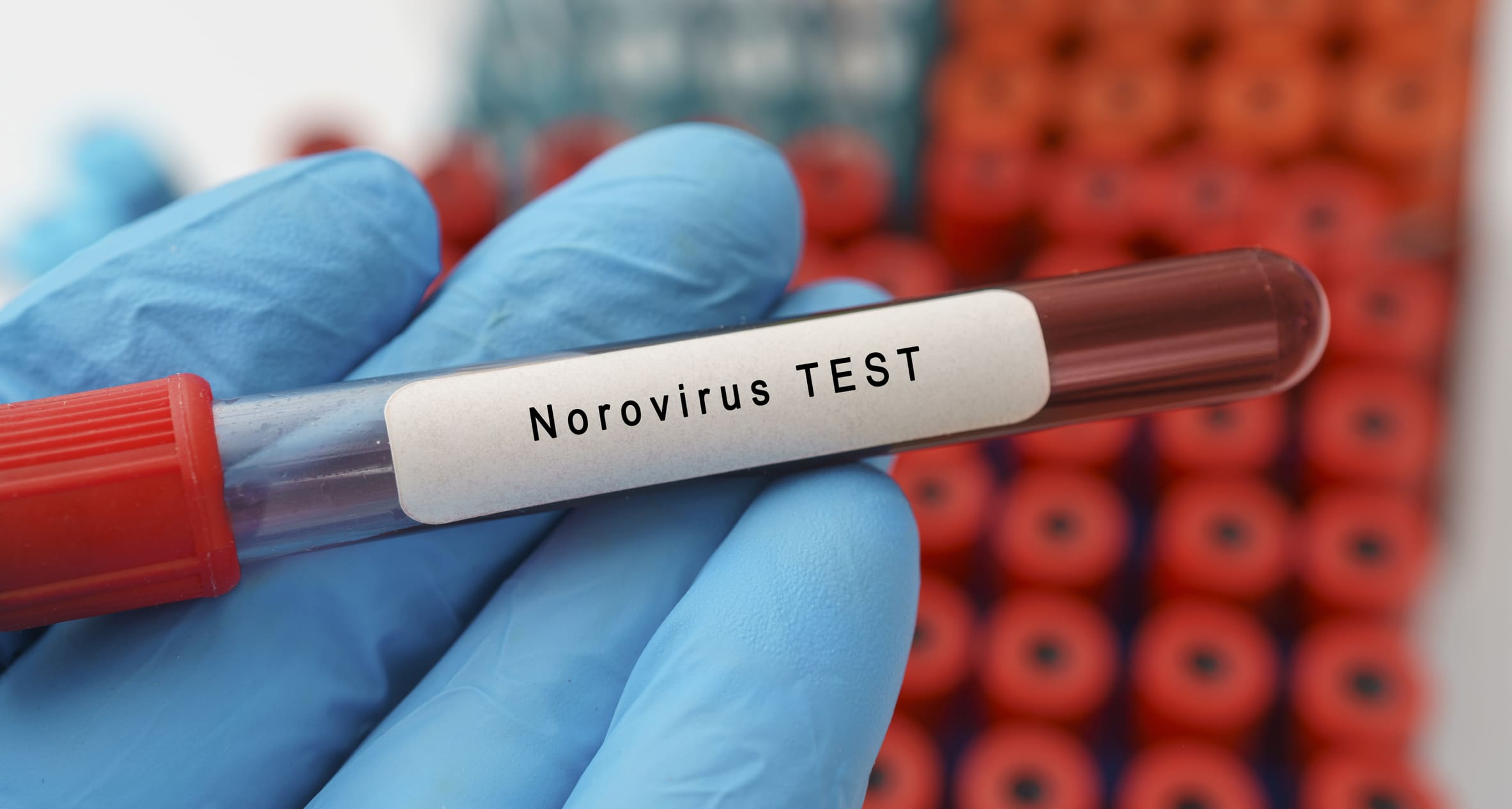
A highly contagious stomach bug is making an unwelcome return just in time for the holiday season — and it’s not the flu or Covid. As norovirus symptoms continue to rise nationwide, doctors are urging people to stay cautious.
Norovirus, often referred to as the “winter vomiting disease,” has been steadily increasing in the U.S. since mid-October, with notable activity in states such as Louisiana, Michigan, and Indiana. While this season’s numbers remain below last year’s surge — which was largely driven by a more contagious GII.17 variant — the Centers for Disease Control and Prevention (CDC) has already recorded 153 outbreaks between August and November. During that same window in 2024, the total was 235.
Health officials say it’s still too early to know whether the trend will escalate into 2026. But historically, norovirus season peaks from November through April, meaning more infections are likely on the way. The CDC continues to monitor cases through voluntary reporting from labs and local health departments, though many people never seek medical care, making the true number of infections difficult to capture.
You May Also Like
The first norovirus outbreak occurred in Norwalk, Ohio, USA, in a school in 1968. For this reason, the first strain of norovirus was known as the Norwalk virus. For more than three decades, most norovirus outbreaks have been linked to a dominant strain known as GII.4. But recent spikes — including those in 2024 — have been fueled by the rising GII.17 variant, which has gained ground worldwide throughout the 2020s. Experts believe this shift may be contributing to earlier-than-usual outbreaks, with activity beginning in the fall instead of winter.
How Contagious is Norovirus?
Norovirus is highly contagious, which means it spreads easily. If you have the virus, your body sheds (releases) billions of tiny virus particles that can make others ill, too. It only takes a few particles to make someone else sick.
After you come into contact with norovirus, it can take 12 to 48 hours before you start to show symptoms. This amount of time before you get sick is called an incubation period. After your symptoms stop, you’re still contagious for up to 48 hours.
You May Also Like

How long does norovirus stay in Your System?
When norovirus enters your body, it’s present in your stool (poop) before you experience symptoms. It can also stay in your system for up to two weeks after your symptoms go away. You’re only contagious after you become infected until 48 hours after your symptoms stop.
7 Symptoms of Norovirus to Look For
Norovirus symptoms typically start 12 to 48 hours after exposure and last for one to three days, with the risk of dehydration being a major concern.
Common symptoms include:
- Sudden onset of vomiting – Vomiting is often one of the first—and most intense—symptoms of norovirus. It tends to come on suddenly, sometimes within hours of exposure, and can be forceful enough to feel alarming. While unpleasant, it’s the body’s way of quickly trying to get rid of the virus.
- Watery diarrhea – The stool tends to much like a liquid, no solids, and the episodes can be frequent and urgent. For adults, it’s exhausting. For kids and older adults, it can become dangerous if dehydration sets in. This symptom typically lasts for a couple of days, but during that time, the body can lose a lot of fluids fast. Electrolyte drinks, broths, or even ice chips can help if drinking feels difficult.
- Stomach pain or cramps – The pain might feel like pressure, gas, or a dull ache that comes and goes. It can also be paired with bloating or gurgling sounds in your belly.
- Headache and Fever – The fever is usually mild, but if your fever at 103°F or over and does not respond to over-the-counter medication, you should seek medical help. The key symptom with headaches is the frequency of the headache and the length of time it lasts. Plus, if your usual method of getting rid of headaches doesn’t work, it could signal something more serious.
- Nausea – that queasy, uneasy feeling in your stomach that may feel like you always have to throw up, but don’t—and with norovirus, it usually means vomiting or diarrhea isn’t far behind. This early wave of discomfort can make it hard to eat or drink, but small sips of clear liquids or electrolyte drinks can help you stay ahead of dehydration.
- Muscle aches or body aches – Muscle aches might show up in your arms, legs, or back, and sometimes around your abdomen—especially if vomiting has been intense. These aches are part of your body’s response to the virus and the physical strain of being sick.
- Dehydration – Signs of dehydration include urinating less than usual, Dark-colored urine, Dry mouth or throat, Feeling dizzy when standing up, and Extreme thirst.
How Can You Prevent Norovirus
Some precautions you can take to reduce your risk of getting norovirus include:
- Washing your hands often with soap and water.
- Washing your food before eating it (fruits and vegetables).
- Cooking your food thoroughly (especially seafood or shellfish) or to an appropriate temperature (at least 145 degrees Fahrenheit, or 62.77 degrees Celsius).
- Avoiding contact with people who have a norovirus infection.
- Cleaning and sanitizing frequently touched surfaces and objects.
- Washing your clothes thoroughly, especially if they’re soiled.
It’s important to note that using hand sanitizer doesn’t kill norovirus particles as effectively as washing your hands with soap and warm water. If you have a norovirus infection, you shouldn’t prepare food or take care of others, as you’re at risk of spreading the infection.