
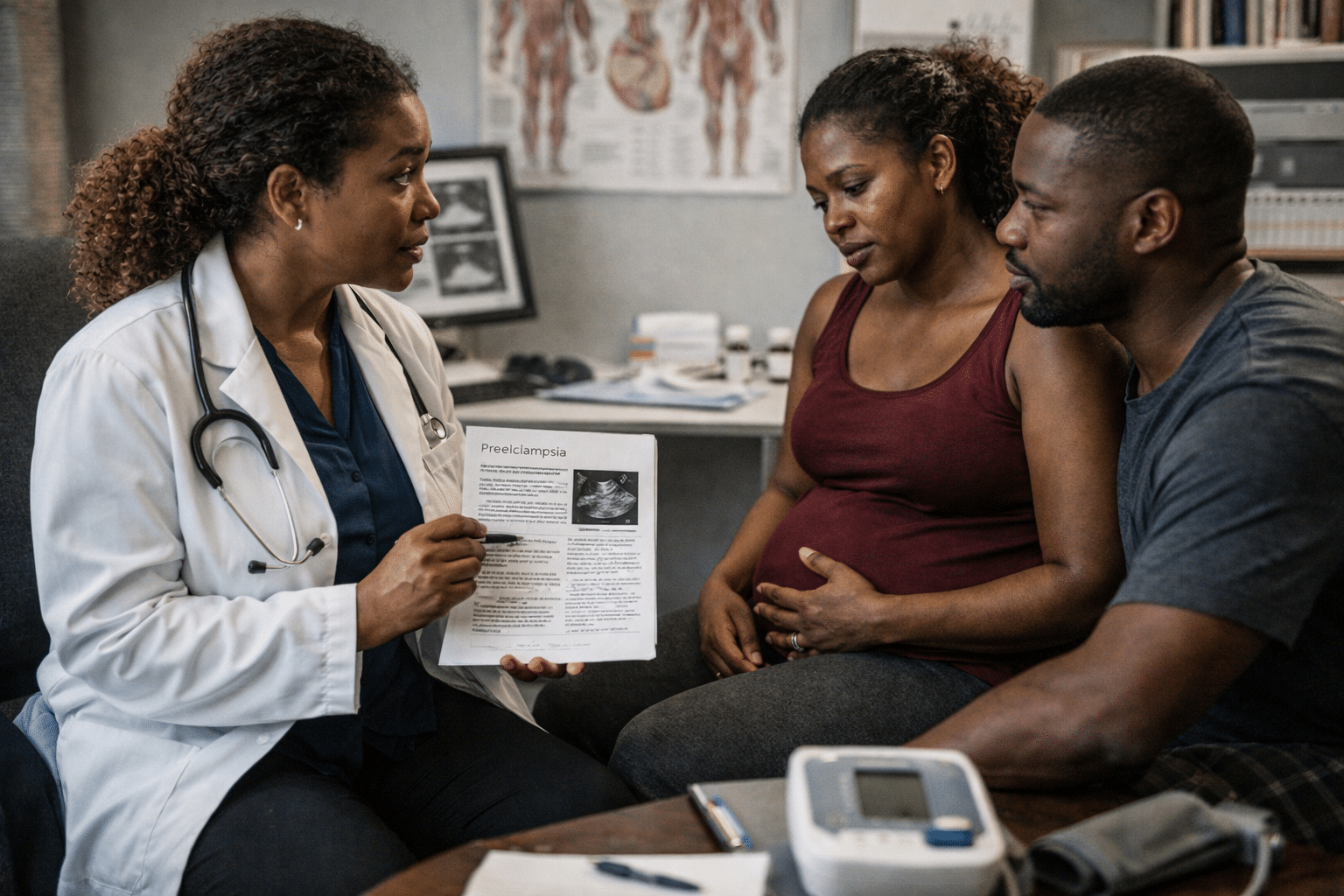
Pregnancy is often described as a journey of anticipation and joy, but for many expectant mothers, that journey is shadowed by the risk of sudden medical complications. Among the most daunting is preeclampsia, a condition characterized by a dangerous spike in blood pressure that can escalate into a life-threatening crisis for both mother and child. For decades, the medical community has searched for a “silver bullet” to mitigate this risk, and according to compelling new research, the answer might be sitting in your local pharmacy for pennies a dose.
What is Preeclampsia?
Preeclampsia is a health condition that can occur during and immediately after pregnancy.
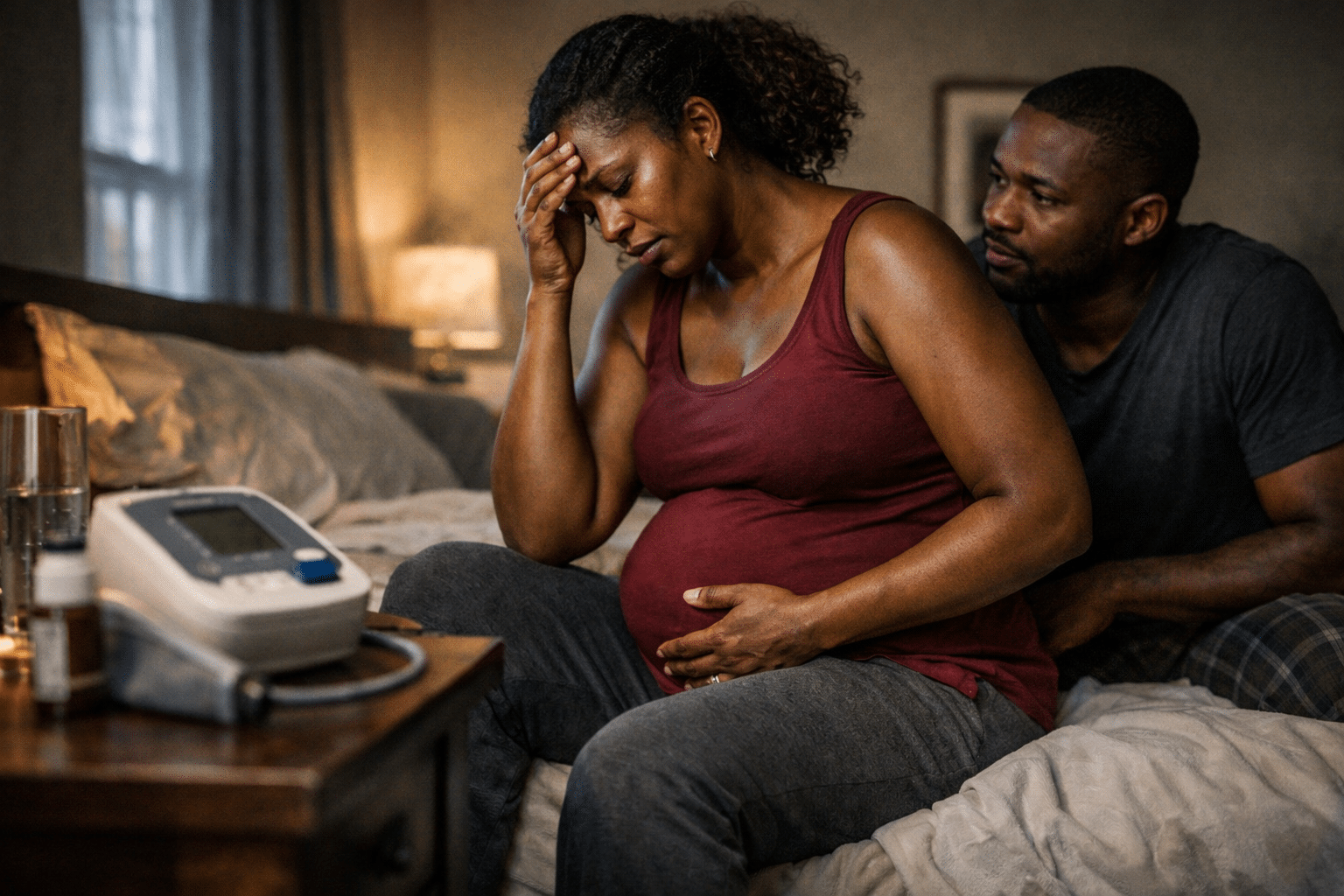
While many women are symptom-free, Better Health says that the signs of preeclampsia may include:
You May Also Like

- An abrupt rise in blood pressure (higher than pre-pregnancy levels)
- Dizziness
- Headache
- Protein in your urine
- Fluid retention
- Abdominal pain
- Nausea
- Vomiting
Leaving your preeclampsia untreated can lead to:
- Problems with blood clotting
- Liver and/or kidney failure
- Convulsions
In its most serious form, preeclampsia can even lead to death.
“Preeclampsia is a disease or disorder that is unique to pregnancy,” Dr. Sarah Little, a maternal-fetal medicine physician at Brigham and Women’s Hospital in Boston, said in a hospital video. “It affects about five percent of women.”
You May Also Like

The condition occurs when the pregnant woman experiences high blood pressure and protein in the urine, according to Better Health Australia. If blood pressure is very high, other areas of the body like the lungs, liver, brain and blood clotting system can be affected.
RELATED: How to Detect and Manage Preeclampsia During Pregnancy
Preeclampsia in Pregnancy
Preeclampsia during pregnancy can lead to several health issues, including stroke, seizures and a condition known as HELLP Syndrome, in which the pregnant woman’s liver and blood cells are damaged. The U.S. National Institute of Child Health and Human Development (NICHD) notes that preeclampsia is a “leading cause” of preterm birth (before 37 weeks).
So, how quickly can preeclampsia develop? While it can start at any time during pregnancy, the U.K.’s National Health Service (NHS) says it rarely happens before the 20th week of pregnancy.
Postpartum Preeclampsia
Giving birth often signals the end of preeclampsia. However, high blood pressure that occurs between 48 hours and six weeks after birth is considered postpartum preeclampsia, the NICHD says.
The Power of Universal Screening
According to new research, prescribing daily aspirin to all pregnant women at their first prenatal visit was associated with an overall reduction in cases of severe preeclampsia, according to findings presented at a meeting of the Society for Maternal-Fetal Medicine in Las Vegas.
“Implementation of directly-dispensed aspirin in this high-risk pregnant population appeared to delay the onset, and for some patients completely prevent the development of preeclampsia with severe features,” lead researcher Dr. Elaine Duryea said in a news release. She’s an associate professor of obstetrics and gynecology at the University of Texas Southwestern Medical Center in Dallas.
Preeclampsia involves persistently high blood pressure during pregnancy that can result in organ damage to the expectant mother, researchers said. The condition also increases the risk of premature birth or stillbirth.
Low-dose aspirin has been shown to help prevent preeclampsia when started between 12 and 28 weeks of pregnancy, researchers said in background notes.
But it’s not a widely used treatment, researchers said.
For the new study, researchers started prescribing daily aspirin to all patients at their first prenatal visit or prior to 16 weeks’ gestation, beginning in August 2022.
Importantly, clinics handed out the aspirin directly to patients to make sure they had access to the drug.
The research team then compared outcomes of nearly 18,500 patients who gave birth at Parkland Hospital in Dallas, Texas, after they were provided aspirin, to a similar number of women who weren’t prescribed aspirin.

What the Findings Show
Women given daily aspirin had 29 percent fewer cases of severe preeclampsia, researchers found.
Further, women on aspirin who did develop preeclampsia came down with the condition later in pregnancy, results showed.
Aspirin also benefited women with high blood pressure prior to pregnancy, reducing their risk of preeclampsia by 28 percent, researchers said.
The study also found no increased risk of side effects like bleeding or damage to the placenta.
While the results presented by Dr. Duryea and her team are currently considered preliminary until they undergo the rigors of peer review and formal publication, they represent a potential “vibe shift” in maternal medicine. The ease of the intervention—taking one small pill a day—contrasts sharply with the devastating complexity of treating a patient once they have already developed severe preeclampsia.
“While we cannot be sure that similar effects will be observed in other patient populations, there was no evidence of harm caused by aspirin administration,” Duryea concluded.
Essential Tips for Expectant Mothers
While these findings are promising, it is vital to remember that medical protocols are still evolving. If you are pregnant or planning to become pregnant, here are several steps you can take to manage your blood pressure health:
- Consult Your Doctor Early: Do not start an aspirin regimen on your own. While the study suggests it is safe, your obstetrician needs to determine the correct dosage and ensure it won’t interact with other medications.
- Know the Red Flags: Be vigilant about symptoms such as sudden swelling (especially in the face and hands), persistent headaches that don’t go away with Tylenol, “spots” in your vision, or pain in the upper right abdomen.
- Monitor at Home: If you have a history of high blood pressure, consider purchasing a home blood pressure cuff. Consistent tracking can help you spot a “trend” of rising pressure before it becomes an emergency.
- Prioritize Prenatal Visits: The Parkland study succeeded largely because of early intervention (before 16 weeks). Attending your first prenatal appointment as soon as you know you are pregnant is the best way to start preventative treatments.
- Stay Hydrated and Active: While lifestyle alone cannot always prevent preeclampsia, maintaining moderate activity and staying hydrated supports overall vascular health.