
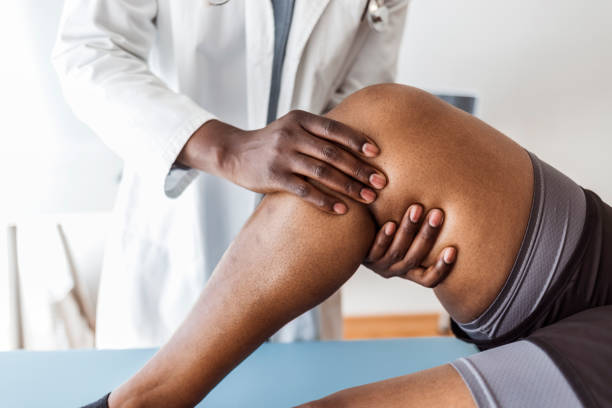
As you grow older, you may notice your knees locking up more. Knee stiffness is a result of poor flexibility or muscular imbalances in the legs and often occurs in older adults and people who are very physically active.
Below Dr. Renee shares her go-to remedies for those suffering from stiff knees.
Q: I am 57 and my knee is locking on me sometimes or gets stiff on me. What can I do? – L. Pratt
You May Also Like
A: Stiff knees are one of the most common complaints as we age, gain weight, increase activity, or simply live busy lives that stress our joints. While stiffness is often temporary, it can also signal deeper issues that deserve attention. Understanding why your knees feel tight or difficult to move is the first step toward finding relief.
Below are the top causes of stiff knees, followed by the best proven remedies—from home treatments to long-term prevention.
Common Causes of Stiff Knees
1. Osteoarthritis (Joint Wear and Tear)
The cartilage that cushions the knee joint can gradually break down over time. When this happens, bone rubs against bone, causing stiffness, swelling, and pain—especially in the morning.
You May Also Like

2. Inflammation From Overuse
Too much walking, climbing stairs, running, or repetitive movement can irritate the soft tissues around the knee, leading to temporary stiffness.
3. Injury (Old or New)
Past injuries—like a torn meniscus, ligament strain, or patellar issues—can leave behind scar tissue or instability that makes the knee feel tight.
4. Excess Weight
Every extra pound adds pressure to the knees. Over time, this strain can cause chronic stiffness, especially when standing up after sitting.
5. Poor Blood Circulation
When circulation slows (for example, after sitting too long), the knee joint can feel stiff until movement increases blood flow again.
6. Muscle Imbalances
Weak hamstrings, quads, or hip muscles cause the knee to work harder. Similarly, tight leg muscles can pull on the joint, creating stiffness and discomfort.
7. Inflammatory Conditions
Rheumatoid arthritis, gout, lupus, and other inflammatory conditions can cause swollen, stiff joints, sometimes accompanied by warmth or redness.
8. Weather Changes
Many people notice increased stiffness when temperatures drop or humidity shifts. Cold weather can tighten muscles and restrict joint fluid movement.
11 Remedies for Stiff Knees
1. Heat Therapy (for stiffness)
Warmth helps loosen the joint and increase blood flow.
-
Use a heating pad for 15–20 minutes.
-
Take a warm bath or shower.
-
Try warm towels wrapped around the knee.
Best for: morning stiffness, cold-weather stiffness, muscle tightness.
2. RICE Therapy (for swelling or flare-ups)
If your knee is swollen, inflamed, or warm to the touch, icing works better than heat. Rest, Ice, Compression and Elevation (RICE) can help reduce swelling and pain.
-
Apply ice for 10–15 minutes at a time.
-
Never place ice directly on the skin.
Best for: injuries, flare-ups, post-exercise pain.
3. Strengthening Exercises
Building the muscles around the knee reduces strain and improves mobility.
Key exercises:
-
Straight-leg raises
-
Wall sits
-
Mini-squats
-
Hamstring curls
-
Glute bridges (important because hip weakness often affects knee function)
Start slow and avoid any movement that causes sharp pain.
4. Stretching Tight Muscles
Tight quads, calves, and hamstrings can all contribute to knee stiffness.
Try these stretches daily:
-
Hamstring stretch (seated or standing)
-
Quad stretch (holding your ankle behind you)
-
Calf stretch at the wall
-
Hip flexor stretch
Stretching improves flexibility, which reduces pressure on the knee joint.
5. Low-Impact Exercise
Movement helps circulate synovial fluid—the natural lubricant of the joints.
Great knee-friendly options:
-
Walking
-
Cycling
-
Swimming
-
Elliptical training
-
Water aerobics
These activities strengthen the knee without high impact.
6. Anti-Inflammatory Foods
Nutrition plays a big role in joint health. Foods that fight inflammation help reduce stiffness over time.
Include more:
-
Salmon, sardines, or mackerel (omega-3s)
-
Berries
-
Leafy greens
-
Turmeric and ginger
-
Olive oil
-
Nuts and seeds
Cut back on:
-
Sugary foods
-
Fried foods
-
Processed meats
-
Excess salt
7. Weight Management
Even a small weight loss can dramatically reduce knee stiffness.
Every pound lost removes about 4 pounds of pressure off your knees.
8. Knee Braces or Compression Sleeves
Wearing a supportive brace can:
-
Improve alignment
-
Reduce stiffness
-
Add stability
-
Increase confidence during movement
Compression sleeves help reduce swelling and improve circulation.
9. Over-the-Counter Pain Relievers
For temporary relief, medications can help:
-
Ibuprofen (reduces inflammation)
-
Acetaminophen (helps pain but not inflammation)
-
Topical creams such as menthol, capsaicin, or diclofenac
Always avoid overuse and consult with a healthcare professional if taken frequently.
10. Improve Your Seating and Posture
Sitting for long periods with bent knees can make joints stiff.
Try:
-
Straightening your legs every 30–45 minutes
-
Standing up regularly
-
Using proper posture to reduce pressure on the knees
11. Professional Treatments (When Needed)
If stiffness is severe or persistent, consider:
-
Physical therapy
-
Corticosteroid injections
-
Hyaluronic acid injections
-
Platelet-rich plasma (PRP) therapy
-
Surgery (as a last resort)
A specialist can help identify underlying conditions that need more targeted care.
Other Remedies
Cortisone injections.
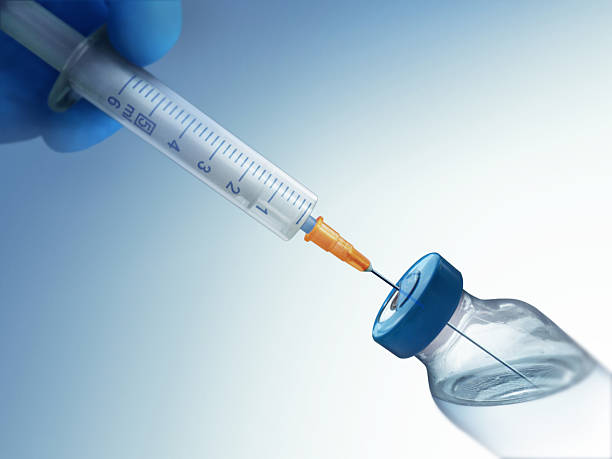
An occasional injection of this steroid may lessen the swelling and achy pain.
Osteoarthritis is the most common form of arthritis and can cause pain and stiffness.
It is often called wear-and-tear arthritis because it comes with the aging process.
You can take glucosamine and chondroitin because you may have osteoarthritis.
If that does not work, you should talk to your healthcare provider so they can make certain it is nothing that requires surgery.
They may refer you to physical therapy where you will learn exercises that you should do daily to help you with your knee.
Visit the BlackDoctor.org Arthritis center for more articles.
 If you have any questions, don’t hesitate to ‘Ask Dr. Renee’. Follow me on Twitter @AskDrRenee and on my website.