
• Skip to main content
  • Skip to secondary menu
  • Skip to primary sidebar
  • Skip to footer
BlackDoctor.org
Where Wellness & Culture Connect

Where Wellness & Culture Connect

  • Conditions
  • Wellness
  • Lifestyle
  • Longevity
  • Clinical Trials
  • Resources
    • Generational Health
    • Top Blacks in Healthcare 2025
    • Hall Of Fame
    • Clinical Trials Resource Center
    • Obesity Resource Center
    • Cancer Resource Center
    • Wellness on the Yard
    • Immunocompromised Care
    • BDO Resource Library
  • Find A Doctor
  • BDO TV
Home / Health Conditions / Sleep Disorders / 7 Serious Reasons You’re Tired All The Time

7 Serious Reasons You’re Tired All The Time

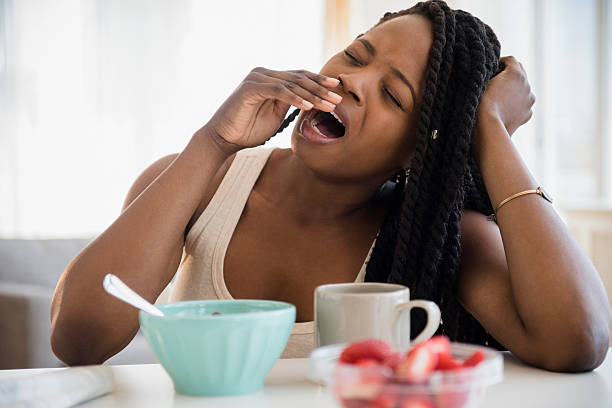
why am i always tired

"Why am I tired all the time?!" Have you been asking yourself this question lately?

It may be more than just a lack of sleep.

But first, try this test: For two weeks, add some healthy changes to your routine, including sleeping more, going out a little less often, eating a better, more nutritious diet, drinking more water, and cutting back on caffeine and alcohol.

You May Also Like
Psoriatic Arthritis Can Feel Beyond Your Control. Consider a Different Direction. Learn More Here. Psoriatic Arthritis Can Feel Beyond Your Control. Consider a Different Direction. Learn More Here.

RELATED: 5 Foods That Make You Look Tired

"If you're still feeling the symptoms of fatigue after those changes, then you need professional help," says Sandra Adamson Fryhofer, MD, an internist in Atlanta. Excess exhaustion could be the sign of a more serious medical condition, including the following most common problems:

1. Anemia

The fatigue caused by anemia is the result of a lack of red blood cells, which bring oxygen from your lungs to your tissues and cells. You may feel weak and short of breath. Anemia may be caused by an iron or vitamin deficiency, blood loss, internal bleeding, or a chronic disease such as rheumatoid arthritis, cancer, or kidney failure. Women of childbearing age are especially susceptible to iron-deficiency anemia because of blood loss during menstruation and the body's need for extra iron during pregnancy and breastfeeding, explains Laurence Corash, MD, adjunct professor of laboratory medicine at the University of California, San Francisco.

You May Also Like
Get GLP-1s Delivered to You As Low As $99/Month! Get GLP-1s Delivered to You As Low As $99/Month!

Symptoms: Fatigue is a major one. Others include extreme weakness, difficulty sleeping, lack of concentration, rapid heartbeat, chest pains, and headache. Simple exercise, such as climbing stairs or walking short distances, can cause fatigue.

Tests: A thorough evaluation for anemia includes a complete physical exam and blood tests.

RELATED: 9 Tips for a Good Night’s Sleep

2. Diabetes

Sugar, also called glucose, is the fuel that keeps your body going. And that means trouble for people with type 2 diabetes, who can't use glucose properly, causing it to build up in the blood. Without enough energy to keep the body running smoothly, people with diabetes often notice fatigue as one of the first warning signs, says Christopher D. Saudek, MD, professor of medicine and program director for the General Clinical Research Center at the Johns Hopkins University School of Medicine.

Symptoms: Aside from exhaustion, other signs include excessive thirst, frequent urination, hunger, weight loss, irritability, vaginal yeast infections, and blurred vision.

Tests: There are two major tests for diabetes. The fasting plasma glucose test, which is more common measures your blood glucose level after fasting for 8 hours, usually first thing in the morning. A second test is the oral glucose tolerance test (OGTT), where blood is drawn twice - just before drinking a glucose syrup, then 2 hours later.

RELATED: Tired? Your Fatigue Could Be Linked To Your Stomach

3. Thyroid Disease

The thyroid gland, about the size of a kiwi fruit, is found in the front of the neck and produces hormones that control your metabolism. Too much thyroid hormone (hyperthyroidism), and metabolism speeds up. Too little (hypothyroidism), and metabolism slows down.

Symptoms: Hyperthyroidism causes muscle fatigue and weakness, which you may notice first in the thighs. Exercises such as riding a bike or climbing stairs become more difficult. Other symptoms include unexplained weight loss, feeling warm all the time, increased heart rate, shorter and less frequent menstrual flows, and increased thirst. Hyperthyroidism is most commonly diagnosed in people in their 20s and 30s, but it can occur in older women and men too, says Robert J. McConnell, MD, co-director of the New York Thyroid Center at Columbia University Medical Center in New York City.

Hypothyroidism causes fatigue, an inability to concentrate, and muscle soreness, even with minor activity. Other symptoms include weight gain due to water retention, feeling cold all the time (even in warmer weather), heavier and more frequent menstrual flows, and constipation. Hypothyroidism is most common in women over age 50. In fact, as many as 10% of women past 50 will have at least mild hypothyroidism, says McConnell.

Tests: Thyroid disease can be detected with a blood test. "Thyroid disorders are so treatable that a thyroid test should be done in all people who complain of fatigue and/or muscle weakness," says McConnell.

         RELATED: 7 Overlooked Signs You Need Your Thyroid Checked

4. Depression

Depression is a major illness that affects the way we sleep, eat, and feel about ourselves and others. Without treatment, the symptoms of depression may last for weeks, months, or even years. So it's important to recognize the warning signs and get help.

Symptoms: People experience depression differently, but commonly, depression can cause decreased energy, changes in sleeping and eating patterns, problems with memory and concentration, and feelings of hopelessness, worthlessness, and negativity.

Tests: Your doctor may be able to identify it by asking you a series of questions. If you experience five or more symptoms below for more than 2 weeks, or if they interfere with your life, see your doctor or mental health professional.

• Fatigue or loss of energy
• Sleeping too little or too much
• A persistent sad, anxious, or "empty" mood
• Reduced appetite and weight loss, or increased appetite and weight gain
• Loss of interest or pleasure in activities once enjoyed
• Restlessness or irritability
• Persistent physical symptoms that don't respond to treatment, such as headaches, chronic pain, or constipation and other digestive disorders
• Difficulty concentrating, remembering, or making decisions
• Feeling guilty, hopeless, or worthless
• Thoughts of death or suicide

RELATED: Black Men & Depression: The Top 8 Signs

5. Rheumatoid Arthritis

RA happens when your immune system turns against itself and attacks healthy joint tissue, sometimes resulting in irreversible damage to bone and cartilage.

Symptoms: Many symptoms (such as fatigue, low energy, loss of appetite, and joint pain) are shared by other health conditions, including fibromyalgia and lupus. Also, anemia and thyroid disorders, which also cause fatigue, are even more common in people with RA, according to John Klippel, MD, president and CEO of the Atlanta-based Arthritis Foundation.

Tests: A thorough physical exam by a rheumatologist can provide some of the most valuable evidence of the disease, but there is also a test for the presence of rheumatoid factor, an antibody found in the blood. About 80% of people with RA test positive for this antibody, but the test is not conclusive.

6. Sleep Apnea

Sleep apnea is a disorder characterized by brief interruptions of breathing during sleep. In the most common type, obstructive sleep apnea, your upper airway actually closes or collapses for a few seconds, which, in turn, alerts your brain to wake you up to begin breathing again. Someone with obstructive sleep apnea may stop breathing dozens or even hundreds of times a night, says Roseanne S. Barker, MD, former medical director of the Baptist Sleep Institute in Knoxville, TN.

Symptoms: Sleep apnea is often signaled by snoring and is generally followed by tiredness the next day. Because sleep apnea can lead to heart disease, high blood pressure, and stroke, it's important to be tested.

Tests: This involves an overnight stay at a sleep clinic, where you'll undergo a polysomnogram, which is a painless test that will monitor your sleep patterns, breathing changes, and brain activity.

RELATED: Can’t Sleep? Here Are 6 Natural Sleeping Aids

7. Chronic Fatigue Syndrome

People who suffer from CFS feel too tired to carry on with their normal activities and are easily exhausted with little exertion.

Symptoms: Other signs include headache, muscle and joint pain, weakness, tender lymph nodes, and an inability to concentrate. Chronic fatigue syndrome remains puzzling because it has no known cause.

Tests: Unfortunately, there are none. Your doctor must rule out other conditions with similar symptoms, such as lupus and multiple sclerosis, before making the diagnosis.

Remember that if you're struggling through your day, talk to your doctor. Exhaustion can be your body's way of signaling a real problem, so rule out serious conditions that need to be treated. If you find that you don't have a condition that's standing in your way, ask your doctor about more customized steps you can take to start feeling better and more energized.

By Derrick Lane | Published November 20, 2022

The Latest In Sleep Disorders

what causes night sweats

What Causes Night Sweats and How to Stop Them

When most of us think about what causes night sweats, our minds jump straight to hot flashes and menopause. But they’re not the only reason you might be waking up feeling like you just ran sprints in your sleep. That's a read more about What Causes Night Sweats and How to Stop Them

Could the ‘Sleepy Girl’ Mocktail Be Your Answer to Better Sleep?

In the ever-evolving world of social media trends, a simple yet powerful concoction has captured the attention of millions seeking a peaceful night's sleep. Meet the "Sleepy Girl" mocktail, a viral sensation that promises not just refreshment but also the read more about Could the ‘Sleepy Girl’ Mocktail Be Your Answer to Better Sleep?

4 Exercises That Can Relieve the Nightmare of Insomnia

If you struggle to fall asleep or stay asleep, and you regularly experience daytime fatigue, then you might be experiencing something more than just a few sleepless nights. You may be struggling with a sleep disorder called insomnia.  What is read more about 4 Exercises That Can Relieve the Nightmare of Insomnia
can't sleep

Can’t Sleep? Here Are 6 Reasons You May Have Missed

Few things are worse than tossing and turning, tired but somehow awake, unable to get those much-needed hours of sleep.  While disrupted sleep is fairly common, often caused by stress, caffeine, and trouble unwinding, sometimes there are more serious issues read more about Can’t Sleep? Here Are 6 Reasons You May Have Missed
sleep schedule

9 Steps to Fixing Your Sleep Schedule

As adults, we're often bogged down by endless responsibilities—work, parenting, bills—leaving restful sleep elusive. Shockingly, the CDC says one in three adults aren’t getting enough sleep, putting themselves at risk for chronic fatigue, mood issues, and serious health problems like read more about 9 Steps to Fixing Your Sleep Schedule
chronic fatigue

Why am I Feeling so Tired? 7 Secret Causes of Fatigue

Maybe you feel it when you just wake up, maybe it’s at 3:00 p.m. while you’re at work, or perhaps it’s something you feel nearly all day, every day—chronic fatigue. That slow-moving, foggy-brained feeling can be draining after a while. read more about Why am I Feeling so Tired? 7 Secret Causes of Fatigue

Primary Sidebar

Subscribe to our newsletter

Icon

Caring for You, Too - Caregiver Workbook

1 file(s) 297 KB
Download

Trending Articles

7 Things You Should Never Do To Lose Weight!

lose weight

12 Reasons Why It Feels Like Your Heart Rate Won’t Slow Down

congestive heart failure symptoms

How to Treat Hidradenitis Suppurativa in Black People

How to Treat Hidradenitis Suppurativa in Black People

What Is Congestive Heart Failure?

congestive heart failure

5 Reasons Your Hair Texture Changes

hair texture
Find a Culturally Sensitive Doctor

Footer

Where Wellness & Culture Connect

BDO is the world’s largest and most comprehensive online health resource specifically targeted to African Americans. BDO understands that the uniqueness of Black culture - our heritage and our traditions - plays a role in our health. BDO gives you access to innovative new approaches to the health information you need in everyday language so you can break through the disparities, gain control and live your life to its fullest.

Connect With Us

Resource Centers

  • Top Blacks in Healthcare
  • Clinical Trials
  • Wellness on the Yard
  • Cancer
  • Immunocompromised Care
  • About Us
  • Privacy Policy
  • Cookie Policy
  • Terms of Service
  • Careers
  • Advertise With Us
  • Advertising & Sponsorship Policy
  • Daily Vitamina
  • TBH

Copyright © 2025, Black Doctor, Inc. All rights reserved.