
While your eating habits might change over time, nutritionists often suggest taking a hard look at your diet when you get into your 40s, 50s, and above. Knowing the right foods to keep around can make the difference between increasing your risks of developing a chronic illness and maintaining your health. Women, in particular, need to be cautious as they have specific concerns as their bodies change. Here are some foods that you should always keep in your kitchen.
10 Foods You Should Start Eating Right Now
1. Fatty Fish
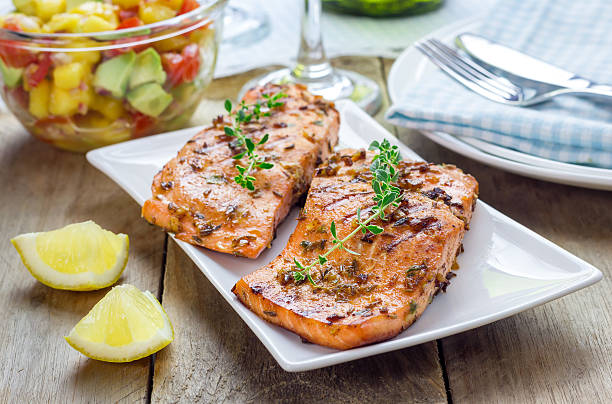
Many women don’t get all the omega-3 fatty acids as they need, which is unfortunate because these healthy fats have significant health benefits. Omega-3 fatty acids have been associated with better brain function, a lower risk of cardiovascular disease, and reduced inflammation in the body. Fatty fish are a great source of omega-3 fatty acids, and some of the fish you should include in your diet are anchovies, salmon, mackerel, herring, and sardines. These types of fish also contain Vitamin D, which helps your body to absorb the calcium you need to keep your bones healthy.
Nutritionists suggest eating fatty fish at least twice per week to make the most of the benefits. You can fry, bake, or stew the whole or sliced fish varieties. The canned versions of these fish are a cost-effective option as well because they don’t lose their nutritional value from being processed.
You May Also Like
2. Cottage Cheese
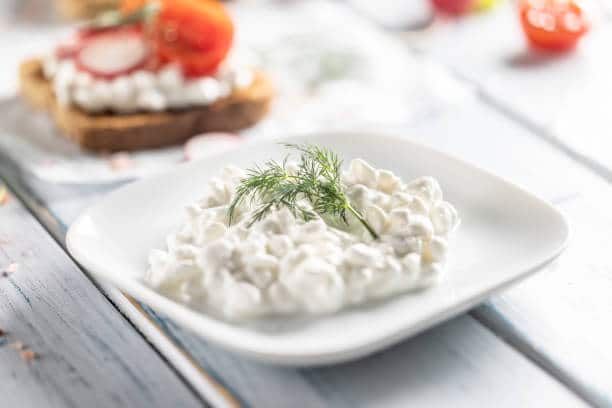
As you age, your body starts to produce less and less estrogen. One effect of this decrease is that you lose bone mass and have an increased risk of osteoporosis. According to nutritionists, the best way to maintain healthy bones is to increase your intake of calcium and protein. This is where cottage cheese comes in. This healthy snack is low-fat while also packing 24 grams of protein and 227 milligrams of calcium in a single cup.
You can have cottage cheese by itself as a snack, but that’s not the only option. Some people enjoy it on toast with tomatoes, with berries and nuts, or in breakfast parfaits. If you have a recipe that asks for sour cream or mayo, you may be able to use cottage cheese as a substitute.
You May Also Like

RELATED: The Benefits of Probiotics for Women
3. Other Seafood
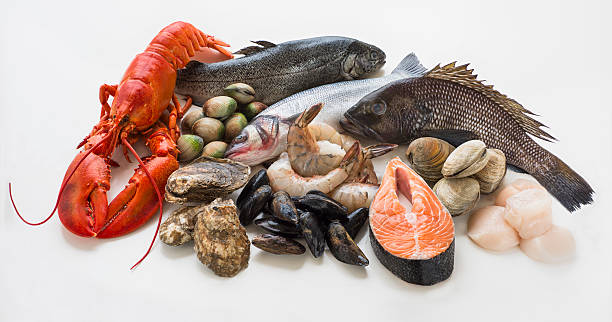
It can become harder to maintain or build muscle as you age. While different factors can affect muscle retention in women, menopause is a main contributor. Additionally, your body may not use protein as efficiently as you age. To combat this problem, nutritionists suggest eating more lean protein and exercising regularly. Fish and other seafood can be a great source of the protein you need to build muscle. Building muscle can help you maintain balance, strength, and flexibility as you age.
To add seafood to your diet, it’s good to look for easy recipes that utilize what you can find at your local supermarket or fish market.
4. Berries
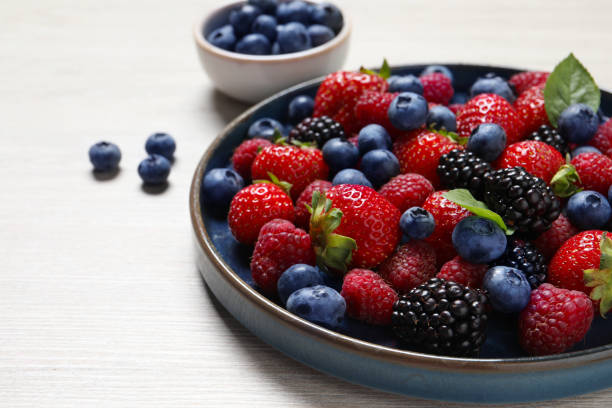
Berries are considered to be superfoods for a reason. They come packed with fiber, vitamins, and antioxidants. They can help with proper digestion, boost your immune system, fight inflammation, reduce your risk of heart disease, manage your blood sugar, help with weight management, and improve your brain health. These are all concerns for older women as those risks increase with age. Interestingly, a recent study also showed that participants who didn’t eat berries regularly have a higher chance of developing dementia.
Some nutritionists suggest that women should eat at least 21 grams of berries per day, but others go as far as 100 grams, which is about a cup. Fortunately, there is no downside to adding a cup of berries to your daily diet. You can easily eat berries as they are, but they also work well in smoothies, fruit salads, cereal, cooked oatmeal, and parfaits. If you can’t find fresh fruits, the frozen options usually work as well.
5. Dark Leafy Vegetables
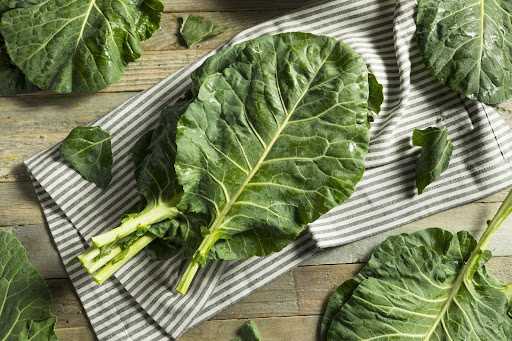
As noted previously, getting older can take a toll on your bones. Dark leafy vegetables like kale, broccoli, spinach, and arugula can add some much-needed calcium to your diet. They also have a lot of fiber that’s food for your heart, gut, and muscles. According to a recent study, participants who ate a cup of dark leafy vegetables every day had stronger lower limbs. In another study, those who ate these types of vegetables had up to a 26 percent lower risk of heart disease, while a third study supported a decrease in dementia risk.
Dark leafy vegetables are great in stews, stir-fries, and soups. They can also accompany meals that contain carbs and lean proteins.

6. Nuts
Nuts aren’t only flavorful, they have a high nutrient content, too. They’re a great source of healthy fats, fiber, magnesium, Vitamin E, and plant-based proteins. Studies show that eating nuts can also help you lower your body fat and manage your weight. Since weight management can be a challenge as women age, it’s great to have tasty foods that can help. However, nuts can also have a high number of calories, so it’s important to stick to the suggested portion size of about an ounce.
It’s easy to eat a small handful of nuts as a snack during the day, but you can also add them to salads, cooked oatmeal, or dips. You can also chop them finely and use them as a coating on baked chicken or fish.
RELATED: 3 Reasons Why Black Women Are Living Longer
7. Seeds
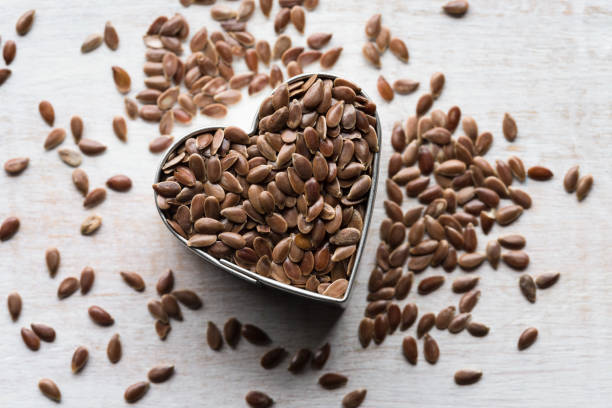
Just like nuts, seeds are a great source of healthy fats and plant-based proteins. Some options include chia seeds, pumpkin seeds, flaxseeds, hemp seeds, sesame seeds, and sunflower seeds. When you eat these seeds, you can get helpful nutrients such as fiber, protein, omega-3 fats, magnesium, manganese, Vitamin B1, and iron. These nutrients can promote heart health, reduce inflammation, promote good digestion, manage your blood sugar, and support healthy skin.
You can easily eat seeds as they are, but some of them, such as pumpkin seeds, taste better after being roasted. You can add seeds to salads, parfaits, cooked oatmeal, and smoothies. Blended seeds also make great dips.
8. Legumes
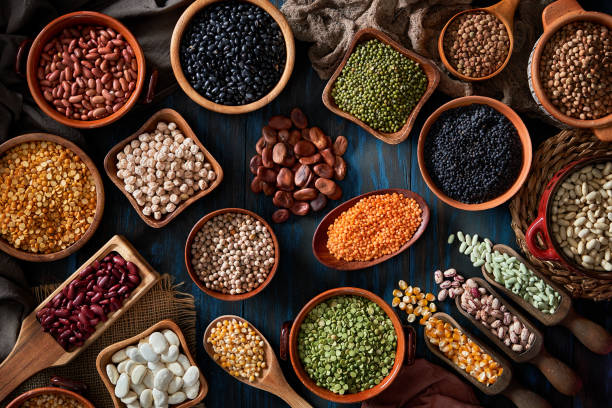
The first thing you need to note is that all beans are legumes, but not all legumes are beans. Some examples of legumes include green peas, green beans, peanuts, lentils, and soybeans. Legumes have a good range of antioxidants on top of being a good source of protein. Studies have shown that eating legumes can help with weight management, reduce your risk of heart disease, and lower your cholesterol.
You can add legumes to soups, stews, salads, and casseroles. It should be noted that you need to cook legumes thoroughly, as uncooked legumes can cause nausea, bloating, and diarrhea.
9. Avocados
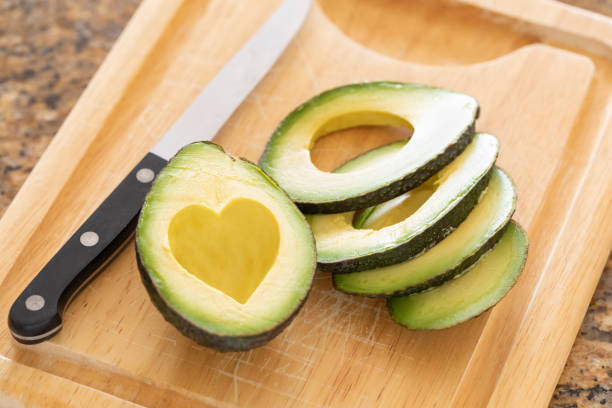
Avocados don’t just taste great, they’re also great for you. They’re chock full of vitamins, healthy fats, fiber, and antioxidants. When you eat avocados, you reap the benefits of a healthy heart, better vision, healthier skin, stronger bones, better blood sugar management, brain health, better moods, and higher energy.
Most people eat avocados as they are or crushed on toast. You can also use them to make dips or sauces.
9. Beans
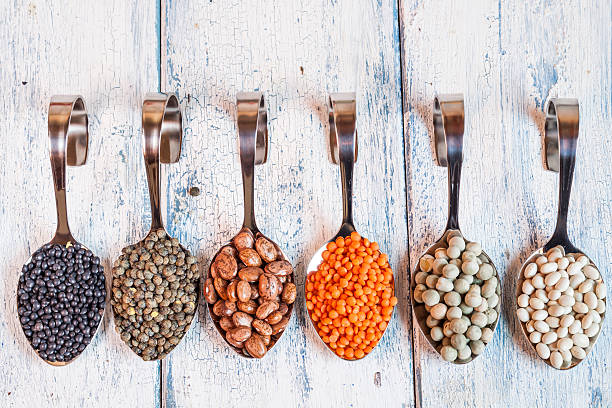
Beans are so good for you that they’re an essential part of a Mediterranean diet. Studies show that they’re great for regulating your blood sugar, promoting gut health, encouraging digestion, and reducing the bad cholesterol in your blood. Though the numbers can vary depending on which bean you choose, these foods generally have a lot of plant-based protein, iron, potassium, and fiber, which are great for your overall health. Their fibre and protein content work well for those who are working on managing their weight, as they’ll feel full longer. Additionally, beans are digested slowly, so they can help you to keep your blood sugar steady and improve your insulin sensitivity.
When it comes to adding beans to your diet, you have a lot of options. Beans are highly versatile, so you can use them in rice dishes, with minced or shredded meats, in grain bowls, salads, soups, stews, tacos, and dips.
Other Diet Changes to Make
As you get older, doctors recommend certain diet changes to maintain your overall health. They suggest paying closer attention to what your recommended portions are and being more focused on the nutrients you get from what you plan to eat. This information may come from reading nutrition panels, talking to your doctor, or doing some research. It’s also a good idea to prepare more of your meals at home instead of eating out, so you can control the ingredients.
When you’re shopping, you should choose whole foods where possible and opt for foods that are in season. Doing that will also help you to eat a variety of foods that keep you healthy.
A lot can change in your 50s, so doctors suggest adopting a diet that will help you maintain your health and reduce your risk of developing certain chronic illnesses. If you have any concerns about changing your diet, talk to your doctor first.