
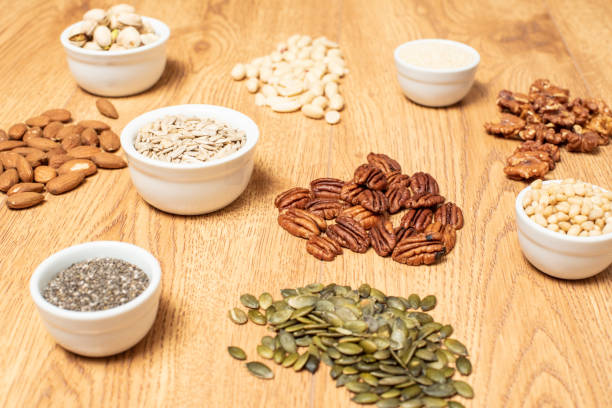
Your body needs the right kinds of fuel to keep going every day. Here’s how to get more of the nutrients you need into your diet, recommended amounts based on the most recent Dietary Guidelines for Americans.
1. Vitamin C
Did you know that one out of four Americans aren't getting enough vitamin C? As you can probably guess, this an important nutrient. Vitamin C is responsible for making collagen, improving iron absorption and keeping our immunity top-notch. Even better? Vitamin C helps the body fight free radicals.
Some research (although not conclusive) suggests that vitamin C may reduce the risk of cancer, heart disease and age-related macular degeneration.
You May Also Like

How much you need: Women should aim for 75mg and men should aim for 90mg per day. If you're looking to get your daily dose of vitamin C, it's fairly easy to find. You can find vitamin C in many fruits and vegetables including oranges, grapefruit, peppers, strawberries, cantaloupe, kiwifruit, tomatoes and baked potatoes.
2. Fiber
You've probably heard fiber and its many benefits mentioned before, but what you may not know is that there are two different types of fiber: soluble and insoluble.
Soluble fiber can be found in nuts, oatmeal, lentils, apples, strawberries, seeds, oranges, carrots, and beans. Do you have high cholesterol levels? Soluble fiber is great for lowering your cholesterol. It helps slow digestion, which may help balance your blood sugar. Trying to lose weight? This fiber is also great for weight control because it makes you feel fuller for a longer period of time.
You May Also Like

Insoluble fiber, on the other hand, is found mainly in whole grains and seeds and supports gut health and digestion.
How much you need: Fiber can be found in an abundance of foods, however, many of us still aren't getting enough in our diets. To be certain you are getting enough fiber, here is what you should aim for: men should aim for 38 grams per day and women should aim for 25 grams per day. On average, Americans are only getting 15 grams of fiber on a daily basis, so make sure you stock up on the foods on this list the next time you head to the grocery store.
RELATED: Why Magnesium is so Important for Migraine Prevention
3. Magnesium
Forty-five percent of the American population fails to consume enough magnesium, which helps with a wide range of functions in the body including muscle and nerve function, blood sugar control, blood pressure, bone development, and more. In short, magnesium helps us live longer. In fact, researchers followed more than 7,000 men and women (ages 55-80) and found that people with the highest daily intakes of magnesium had a 34 percent decrease in mortality from heart disease and cancer.
So, which foods contain magnesium? Nuts (pistachios and almonds), fruits and vegetables (spinach, bananas, avocados), beans, lentils, and whole grains (oatmeal and whole wheat bread) are all great sources of magnesium.
4. Vitamin E
Vitamin E is great at supporting the immune system, keeping blood vessels healthy and preventing blood clots. There are eight forms of vitamin E, however, to make things easier for you, alpha-tocopherol is the one you need to pay close attention to.
How much you need: What should your daily dose be? Sixty percent of Americans aren't getting enough vitamin E, so listen up closely. Men and women require 15mg of vitamin E per day. Not sure where to get vitamin E? Vegetable oils such as sunflower oil and olive oil, nuts, seeds and cereal grains are all great sources of vitamin E. Smaller amounts of this vitamin can also be found in fruits and vegetables such as spinach, mangoes and avocados.
5. Vitamin D
Vitamin D is great at reducing inflammation and keeping our bones healthy. Vitamin D also increases immunity and reduces mood disorders. Unfourtanetly, vitamin D isn’t found in many foods besides fatty fish and fortified milk and juices. This may be the reason 70 percent of Americans are not getting enough vitamin D even when they are consuming fortified foods and supplements.
Another way many people get vitamin D is through sun exposure, however, age, sunscreen use, and skin tone may limit many people’s exposure and absorption.
How much you need: The Institute of Medicine currently recommends 600 IUs per day, although some experts recommend higher intakes of 1,000-2,000 IUs. Not getting enough vitamin D? Make sure you’re getting outside for 15 minutes a day and regularly consuming foods rich in vitamin D. Not sure about your levels? Contact your doctor to have them checked. If your blood levels for vitamin D are low, discuss taking a USP- or NSF-certified supplement such as Nature Made or Country Life with your doctor.
RELATED: Peaches Are Fuzzy, Full of Nutrients And Beneficial to Your Health
6. Vitamin A
Bone growth, healthy vision, immunity, reproduction and proper functioning of your heart, lungs and other organs are all reasons you need more vitamin A in your life. Thirty-four percent of Americans aren’t getting enough vitamin A, which can be found in two forms: preformed (retinol) and carotenoids. Where can you find this essential vitamin? Eggs, some fish, green leafy vegetables, orange and yellow fruits and vegetables (squash, peppers, mangoes, cantaloupe) and fortified milks and cereals are all great sources of vitamin A.
7. Iron
Iron, to say the least, is extremely crucial. Our bodies need iron to make hemoglobin and myoglobin, which help to carry oxygen from our lungs to the rest of the body. Iron is also part of many enzymes, which help our bodies to digest food and perform many other functions. If you are a woman, the chances that you are iron deficient are high. Iron deficiency is most common in young women due to heavy periods. Fatigue is the most well-known symptom, however, difficulties with pregnancy and infants’ health are other potential concerns.
There are two types of iron in the diet: heme and nonheme. Heme iron is better absorbed by the body. You can find it in animal sources such as meat, poultry and fish. Non-heme iron, on the other hand, is found in plant and dairy foods such as eggs and fruits, vegetables, nuts and grains.
How much you need: How much iron does your body need? Men need 8mg a day, women 18mg and pregnant women require 27mg a day of iron.
8. Potassium
Potassium balances out sodium’s impact on blood pressure and it also reduces bone loss and the risk of kidney stones, builds proteins and muscles, and keeps a safe acid-base balance in our bodies.
How much you need: It’s recommended that men and women get 4,700mg of potassium a day, but as you probably guessed, Americans are falling short. Not sure where to find this vital nutrient? Potassium is available in a variety of food sources including fruits (citrus, kiwi, apricots, cantaloupe), vegetables (sweet potatoes, peas, broccoli), dairy, nuts, meats and poultry (beef, chicken, turkey) and fish (cod, salmon).
9. Folate
Folic acid is found naturally in fruits (oranges and melons), vegetables (dark leafy greens), nuts, beans and many grains (pasta, cereal, bread), which are fortified with this B-vitamin. Unfourtanetly, women age 14-30 (specifically before and during pregnancy) and people with some GI conditions such as Crohn’s disease, inflammatory bowel and celiac disease are at risk of being folate deficient. So why is folate so important? Folate is important because it helps make DNA and healthy cells including red blood cells. It is especially important for expectant mothers to consume enough folic acid. Your doctor may prescribe a prenatal vitamin that will include this important nutrient.
RELATED: 8 Essential Nutrients Your Vegan Diet May Be Missing
10. Omega-3s
Are you at risk for heart disease? Do you have rheumatoid arthritis? Suffer from depression or asthma? Omega-3s are great for preventing and controlling these diseases. They may even help stave off dementia as we age. There are three types of omega-3s: alpha-linolenic acid (ALA), which is converted by the body into the biologically active eicosapentaenoic acid (EPA) and docosahexaenoic acid (DHA). EPA and DHA are primarily found in fatty fish and algae while ALA is found in plant sources like walnuts and flax.
How much you need: Unfortunately, about half of Ameicans don't get the amount of omega-3s needed for optimal health. If you are a fish lover, you may be covered. However, if you don’t eat at least two servings of fish per week, choose a supplement that is USP- or NSF-certified for potency and purity, such as Omax3 or New Chapter Wholemega Fish Oil to be sure the supplement you’re taking is free of any potential contaminants.
11. Calcium
Calcium is needed for strong bones and teeth, muscle movement, transmitting nerve signals from the brain to the rest of the body and for healthy blood vessels. The problem is 40 percent of Americans aren't getting the recommended amount of calcium, which can be found in dairy foods (yogurt, milk, cheese), calcium-fortified orange juice, soy milk, rice milk, canned salmon, almonds, kale, broccoli, bok choy, grains and fortified cereals.
How much you need: Current recommendations are that men and women take in 1,000mg of calcium a day. Women 51 years or older should get 1,200mg a day, although some researchers advocate for re-examining and potentially lowering these recommendations based on new research. If you are lactose-intolerant or don't include dairy and greens in your diet, it is wise to consider taking a daily supplement.
Hopefully, this list puts you on the path to getting those vital nutrients and a healthier future.