
• Skip to main content
  • Skip to secondary menu
  • Skip to primary sidebar
  • Skip to footer
BlackDoctor.org
Where Wellness & Culture Connect

Where Wellness & Culture Connect

  • Conditions
  • Wellness
  • Lifestyle
  • Longevity
  • Clinical Trials
  • Resources
    • Generational Health
    • Top Blacks in Healthcare 2025
    • Hall Of Fame
    • Clinical Trials Resource Center
    • Obesity Resource Center
    • Cancer Resource Center
    • Wellness on the Yard
    • Immunocompromised Care
    • BDO Resource Library
  • Find A Doctor
  • BDO TV
Home / Health Conditions / Cancer / Ovarian Cancer & Talcum Powder: Is Baby Powder Safe To Use?

Ovarian Cancer & Talcum Powder: Is Baby Powder Safe To Use?

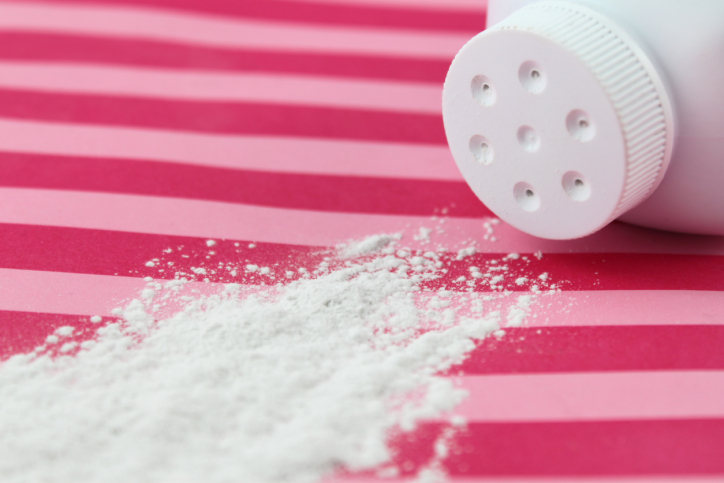
spilled baby powder

Johnson's Baby Powder is a household favorite among babies and adults, but recent news has women revisiting horrific claims that are far from brand new. In 2017, a judge awarded a California woman $417 Million dollars for her development of ovarian cancer after using Johnson & Johnson talc-based baby powder for feminine hygiene.

But then another judge tossed out that $417 million award. Los Angeles County Superior Court Judge Maren Nelson granted the company's request for a new trial, saying there were errors and jury misconduct in the previous trial that ended with the award two months ago.

Nelson also ruled that there wasn't convincing evidence that Johnson & Johnson acted with malice and the award for damages was excessive.

You May Also Like
Psoriatic Arthritis Can Feel Beyond Your Control. Consider a Different Direction. Learn More Here. Psoriatic Arthritis Can Feel Beyond Your Control. Consider a Different Direction. Learn More Here.

In another case, a Missouri jury awarded $72 million in damages to the family of Jackie Fox, an Alabama woman who died at age 62 of ovarian cancer. Fox's family believes the cancer was caused by her regular use of the popular Johnson & Johnson brand powder and other products containing talcum.

“It just became second nature, like brushing your teeth,” said Fox’s son, Marvin Salter, of his mother's use and trust of the product. “It’s a household name.”

READ: Silent Killer: What Black Women Must Know About Ovarian Cancer

You May Also Like
Get GLP-1s Delivered to You As Low As $99/Month! Get GLP-1s Delivered to You As Low As $99/Month!

Johnson & Johnson was found guilty of negligence in a 10-2 jury vote for failure to warn consumers about potential risks of its products.

According to the American Cancer Society, approximately 22,000 women will be diagnosed with ovarian cancer this year, with about 14,000 likely to die this year from it.

Among the many risk factors for ovarian cancer, the American Cancer Society also lists talcum powder:

"It has been suggested that talcum powder applied directly to the genital area or on sanitary napkins may be carcinogenic (cancer-causing) to the ovaries. Some studies suggest a very slight increase in risk of ovarian cancer in women who used talc on the genital area. In the past, talcum powder was sometimes contaminated with asbestos, a known cancer-causing mineral. This might explain the association with ovarian cancer in some studies. Since the 1970s, however, body and face powder products have been required by law to be asbestos-free. Proving the safety of these newer products will require follow-up studies of women who have used them for many years. There is no evidence at present linking cornstarch powders with any female cancers."

What Is Talc?

It is estimated that up to 40% of women today may use talc at least occasionally. Talc is a naturally occurring mineral made of magnesium, silicon, oxygen and hydrogen. It is commonly used in cosmetics and personal care products - like talcum powder ("baby powder") - to absorb moisture, which is what many people also use the product for to keep skin dry and prevent rashes.

READ: The 6 Types of Ovarian Cysts

A possible link between talcum powder and cancer has been suspected since the early 1970s. British researchers found talc particles "deeply embedded" in 10 of the 13 ovarian tumors they studied.

The investigative watchdog group FairWarning, reported:

In 1982, the journal Cancer published the first study showing...

... a statistical link between genital talc use and ovarian cancer. The lead author, Dr. Daniel Cramer, a gynecologist and Harvard Medical School professor, recently co-authored a new study that found a 33 percent higher rate of ovarian cancer among women who used talc for feminine hygiene.

The highest risk was for women who used talc powder the longest. Altogether, about 20 epidemiological studies have found increased rates of ovarian cancer risk for women who reported using talc for hygiene purposes, though other studies have found no association.

In an interview with FairWarning, Fox’s son, Marvin Salter, said, “Obviously, the final outcome is something that my mother wanted.” He said, “It really wasn’t about the damages that were awarded,” but creating “awareness around this issue that has been suppressed for so many years by Johnson & Johnson.”

Proper Vaginal Care

Although there may not be any studies to date that prove a causal relationship between talcum powder and ovarian cancer, where there is smoke there is likely fire.The vagina does not require harsh chemicals to remain so fresh and so clean. Many health professional advise against douching, as well as perfumed soaps and powders. Improving your diet can also have a positive effect on your vaginal health.


 

By Derrick Lane | Published February 29, 2016

The Latest In Cancer

family history

Make Collecting Family Health History Part Of Your Thanksgiving Plans

For some, being home for the holidays means lots of extra family time, often with multiple generations coming together to celebrate under one roof. Most likely, your conversations at this time will center around what’s new at work or what read more about Make Collecting Family Health History Part Of Your Thanksgiving Plans
This Clinical Trial Boosted Patient Survival for Advanced Colon Cancer

This Clinical Trial Boosted Patient Survival for Advanced Colon Cancer

People battling advanced colon cancers might have a new treatment option that could extend their survival, a new trial finds. Since Black Americans are 20 percent more likely to get a colon cancer diagnosis and 40 percent more likely to read more about This Clinical Trial Boosted Patient Survival for Advanced Colon Cancer
Tia Mowry

Tia Mowry Is on a Mission to ‘Change the Odds’ for Black Families Battling Cancer

As the holidays approach, actress and entrepreneur Tia Mowry is using her voice for something deeper than festive cheer. She is partnering with Pfizer and the American Cancer Society to host "Rewrite the Recipe", a compelling video series designed to read more about Tia Mowry Is on a Mission to ‘Change the Odds’ for Black Families Battling Cancer
radiation therapy

Can You Safely Skip Radiation Therapy?

Radiation therapy might not be necessary for treating some forms of rectal cancer and lymphoma, sparing patients from the toxic treatment, a pair of new clinical trials show. One trial found that rectal cancer patients whose tumors shrink in response read more about Can You Safely Skip Radiation Therapy?
lung cancer clinical trials

What Black Americans Need to Know Clinical Trials for Lung Cancer

Lung cancer, or bronchogenic carcinoma, is the collective name for cancers that start in the lungs— usually in the airways (bronchi or bronchioles) or small air sacs (alveoli). Lung cancer is known for its aggressive nature and high mortality rate.  read more about What Black Americans Need to Know Clinical Trials for Lung Cancer

12 Ingredients that Help Fight Cancer

When it comes to lowering your cancer risk, lifestyle plays a major role—and diet is one of the most powerful tools you have. Research shows that certain foods contain compounds that can help prevent cell damage, reduce inflammation, and even read more about 12 Ingredients that Help Fight Cancer

Primary Sidebar

Subscribe to our newsletter

Icon

Caring for You, Too - Caregiver Workbook

1 file(s) 297 KB
Download

Trending Articles

Stage 4 Lung Cancer: Why I Said Yes to a Clinical Trial

Stage 4 Lung Cancer: Why I Said Yes to a Clinical Trial

This Clinical Trial Is Making HIV Treatment Easier for Black People

This Clinical Trial Is Making HIV Treatment Easier for Black People

A Clinical Trial Extended the Life of Women With Hard-to-Treat Breast Cancer

A Clinical Trial Extended the Life of Women With Hard-to-Treat Breast Cancer

This Reverend Wants to Change How You View Clinical Trials: “We’re Not Going to Have Another Tuskegee”

This Reverend Wants to Change How You View Clinical Trials: "We're Not Going to Have Another Tuskegee"

These Two Women Are Amplifying the Voices of Black Triple-Negative Breast Cancer Survivors

breast cancer
Find a Culturally Sensitive Doctor

Footer

Where Wellness & Culture Connect

BDO is the world’s largest and most comprehensive online health resource specifically targeted to African Americans. BDO understands that the uniqueness of Black culture - our heritage and our traditions - plays a role in our health. BDO gives you access to innovative new approaches to the health information you need in everyday language so you can break through the disparities, gain control and live your life to its fullest.

Connect With Us

Resource Centers

  • Top Blacks in Healthcare
  • Clinical Trials
  • Wellness on the Yard
  • Cancer
  • Immunocompromised Care
  • About Us
  • Privacy Policy
  • Cookie Policy
  • Terms of Service
  • Careers
  • Advertise With Us
  • Advertising & Sponsorship Policy
  • Daily Vitamina
  • TBH

Copyright © 2025, Black Doctor, Inc. All rights reserved.