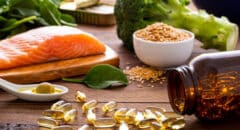

When the seasons shift and the chill of winter truly sets in, preparing for survival requires far more than simply layering up or investing in the warmest coat you can find. The colder months bring with them a distinct set of environmental challenges that can impact our health and overall well-being. After all, the natural cycle of shorter days inevitably translates to less exposure to natural sunlight, a lack of motivation or opportunity due to the cold temperatures often means less time spent outdoors, and the dry, frigid air can lead to frustrating issues like dry, chapped skin.
So, with these factors in mind, what concrete actions can you take—other than maintaining a baseline of physical activity and making an effort to get some invigorating fresh air—to truly maximize your health and vitality throughout the long winter season? The key often lies in what you put into your body: Get your vitamins and essential minerals! Focusing on targeted nutritional intake can make a significant difference in how you feel and function until spring arrives.
The Powerhouse Vitamins and Minerals You Need
A smart nutritional strategy will focus on several key micronutrients that become particularly critical when sunlight is scarce and the immune system is under pressure.
You May Also Like


1. Vitamin C: The Immune System Defender
Vitamin C, also known as ascorbic acid, is perhaps the most famous nutrient when discussing seasonal health. This powerful vitamin offers robust protection against immune system deficiencies, a feature that is especially helpful during the winter months, aiding significantly in the prevention of common ailments like the cold and flu. But its benefits don’t stop there; Vitamin C also assists our bodies in crucial processes like detoxification, plays a role in nourishing the skin (which is often battered by winter elements), and is essential for maintaining strong bones and teeth and efficiently healing wounds.
-
Foods packed with vitamin C: You can easily load up on Vitamin C by consuming foods such as peppers (especially bell peppers), dark leafy vegetables (like kale and spinach), the entire family of citrus fruits (oranges, lemons, grapefruits), strawberries, kiwi, cabbage, broccoli, beans, and juicy tomatoes, among many others.
You May Also Like

2. Vitamin D: The Sunshine Nutrient
This particular nutrient presents a unique challenge in winter. Because our bodies generally synthesize this crucial nutrient in response to exposure to the sun, the widespread tendency to stay inside during the chilly, grey months can very easily create a deficiency. Vitamin D is absolutely vital for several core functions.
To help mitigate this deficiency, it is strongly recommended to step outside during the warmest part of the day, typically mid-day, for at least 15 minutes a day. This practice ensures you are soaking up the available “goods,” which allows your body to effectively absorb essential minerals (like calcium), promote proper cell development, and effectively regulate the immune system. All of these functions are absolutely crucial for comprehensive disease prevention and basic life functions.
-
Foods packed with vitamin D: While sunlight is the primary source, you can supplement your intake through foods like butter, fortified milk, eggs, certain varieties of mushrooms, cod liver oil, and various types of fatty fish (such as salmon and mackerel).
RELATED: Before You Take That Supplement, Here’s What You Should Know

3. Iron: The Energy and Oxygen Carrier
Iron is a foundational mineral that performs two major roles during the colder seasons. Firstly, it is instrumental in keeping your immune system strong and resilient throughout cold and flu season. Secondly, it is directly involved in helping to keep your energy levels high—an essential benefit when battling the sluggishness often brought on by shorter days and decreased physical activity. Functionally, iron is a critical component of red blood cells, which helps to carry life-giving oxygen throughout the rest of your body, thereby nourishing all of your organs and ensuring they will continue to function optimally.
-
Foods packed with iron: Excellent sources of iron include beans, dark leafy vegetables, red meat, poultry, and seafood.

4. Folic Acid: The Mood and Heart Helper
Folic acid, which is the synthetic and highly bioavailable version of the naturally occurring B vitamin folate, is a powerful ally for mental and physical health. It actively helps to regulate mood, which is particularly important for combating the low spirits often referred to as the ‘winter blues.’ Additionally, adequate intake of folic acid helps in the prevention of serious chronic conditions such as heart disease, diabetes, and certain forms of cancer.
-
Foods packed with folic acid: You can boost your folic acid levels by eating dark leafy greens (again, a winner!), beans, peas, lentils, avocado, nuts and seeds, and broccoli.

5. Selenium: The Essential Mineral for Immunity
Selenium is an essential trace mineral that offers substantial benefits to the body’s defenses. It works to significantly strengthen the immune system and is also currently thought to play a protective role, particularly against prostate cancer.
-
Foods packed with selenium: Good sources of selenium include various cereals, meat, fish, and, most notably, Brazil nuts (which are extremely concentrated in this mineral).
RELATED: 3 Supplements You Should Be Taking Daily
Supplementation Considerations
It is understandable that not everyone is a big fan of the routine of taking pills or capsules. However, if you find it challenging to consistently incorporate these nutrient-dense foods into your daily diet, it is highly advisable to talk to your doctor or a qualified nutritionist about over-the-counter supplements. As this article illustrates, each of these vitamins and minerals plays a truly vital and distinct role in the trifecta of winter health: strengthening the immune system, boosting critical energy levels, and improving your complexion. A professional can help determine the right supplement regimen for your specific needs.