• Skip to main content
  • Skip to secondary menu
  • Skip to primary sidebar
  • Skip to footer
BlackDoctor.org
Where Wellness & Culture Connect

Where Wellness & Culture Connect

  • Conditions
  • Wellness
  • Lifestyle
  • Longevity
  • Clinical Trials
  • Resources
    • Generational Health
    • Top Blacks in Healthcare 2025
    • Hall Of Fame
    • Clinical Trials Resource Center
    • Obesity Resource Center
    • Cancer Resource Center
    • Wellness on the Yard
    • Immunocompromised Care
    • BDO Resource Library
  • Find A Doctor
  • BDO TV
Home / Health Conditions / Diabetes / 6 Important Tips For Monitoring Your Blood Sugar

6 Important Tips For Monitoring Your Blood Sugar

blood sugar monitoring

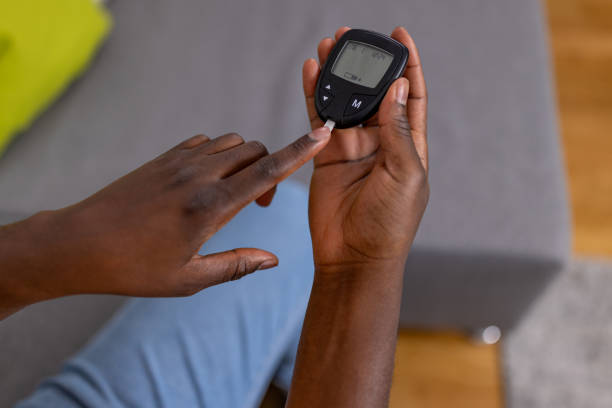
Monitoring your blood sugar is a critical part of your care when you have diabetes. If you don’t do it properly, you run the risk of being hospitalized or worse. The good thing is that you can learn how to do it quite easily and it will be a regular part of your routine in no time. 

6 Tips For Monitoring Your Blood Sugar

1. Always Have Your Supplies

At no point should you be without your testing materials. You should always pack them so you can take them with you wherever you go. Some people will have extra meters and accessories that they leave at places they always frequent. For example, you can have extra testing materials at work or at a loved one’s house. 

2. Protect Your Test Strips

Your test strips are only as good as you treat them. You need to keep them at room temperature, in a dry area, and away from sunlight. Since test strips can also expire, you need to check them to ensure that they’re not out of date. If your strips aren’t in good condition, you’re more likely to get erroneous blood sugar readings. 

You May Also Like
Psoriatic Arthritis Can Feel Beyond Your Control. Consider a Different Direction. Learn More Here. Psoriatic Arthritis Can Feel Beyond Your Control. Consider a Different Direction. Learn More Here.

3. Stick To A Testing Routine

There are typically a few times per day that you need to test your blood sugar. For some people, it’s before and after eating. For others, it’s just before bedtime. It’s best to work with your doctor to determine what you need. With your schedule established, make the effort to incorporate it into your routine. If your meter has a feature that allows you to program alarms, use it. 

RELATED: 15 Foods That Help Control Your Blood Sugar

4. Standardize Your Meter

An incorrect meter can throw off your medication regimen. Many meters come with a control solution that you can use to standardize your meter and ensure that it’s working properly. You can also bring it with you to a doctor’s visit to compare the readings that you get. 

You May Also Like
Get GLP-1s Delivered to You As Low As $99/Month! Get GLP-1s Delivered to You As Low As $99/Month!

5. Track Your Data

Your readings can give your doctor excellent information about how your blood sugar is being managed. You can write them in a journal or use an app that can show trends with your readings. It’s also good to document additional items like what you ate, the time of day, if you exercised, and if there were any stressful situations. 

6. Avoid Infections

Since you’re continually pricking your finger, it’s possible to get an infection. To avoid this, you should never reuse a lancet, clean the area after collecting blood, and make sure that you’ve stopped bleeding before going back to your activities. 

How To Prevent Sore Fingers

Since most blood sugar monitors require you to prick your finger, it’s understandable that you’d be concerned about sore fingers. Fortunately, there are a few things you can do to prevent that. The first action you can take is to alternate which fingers you use. Doing this ensures that you give your fingers a break. You should also stick to pricking the side of the finger instead of the tip. 

Once you’ve pricked the finger, avoid squeezing it to get the blood more quickly. Doctors recommend holding the hand down to allow the blood to flow out naturally. If this doesn’t work, start squeezing from the palm upwards. It can help to use the thinnest lancet possible so they don’t do too much damage to your fingers. You should definitely avoid reusing lancets as they get duller with each use. Finally, you can always ask your doctor about monitors that don’t depend on using your fingers. There are a few that can take blood from other parts of the body. 

RELATED: 10 Early Warning Signs Of Low Blood Sugar

When To Talk To Your Doctor About Abnormal Readings

Generally, you can expect your blood sugar levels to be in the range of 80 to 130 milligrams/deciliter (mg/dl) before eating and less than 180 mg/dl after a meal. However, there may be variations if you skipped a meal or have been exercising. If you’re consistently getting readings that are out of whack, though, you need to let your doctor know. It’s possible that your medication regimen is no longer effective for managing your diabetes. You should also let them know immediately if you’re experiencing swelling, loss of feeling in your extremities, unexplained dizziness, or a sudden migraine. 

Once you’ve been diagnosed with diabetes, you’ll need to monitor your blood sugar levels. This data is essential to ensure that your condition is under control. If you’re having trouble doing it well or the readings are abnormal for more than a few hours, you need to speak to your doctor as soon as possible.

By Karen Heslop | Published August 15, 2023

August 15, 2023 by Karen Heslop

The Latest In Diabetes

This AI Tool Detects Diabetic Eye Disease Faster in Black Americans

This AI Tool Detects Diabetic Eye Disease Faster in Black Americans

Despite the challenges of living with diabetes, a new AI-driven detection tool can help ease the burden of the disease. Researchers from Johns Hopkins Medicine and the University of Wisconsin-Madison have published a study on the use of autonomous artificial read more about This AI Tool Detects Diabetic Eye Disease Faster in Black Americans
herbal teas

3 Herbal Teas You Should Kick Out of the Kitchen

When you’re living with diabetes, you get used to watching what you eat. However, you still may not be aware of how a simple cup of tea can affect your health. According to health experts, certain types of tea can read more about 3 Herbal Teas You Should Kick Out of the Kitchen

Tyler Perry at 56: The ONE Reason He Doesn’t Like The “Happy Birthday” Song

Born into poverty and raised in a household scarred by abuse, Tyler Perry learned from a young age to find the strength, faith, and perseverance that would later form the foundations of his much-acclaimed plays, films, books, and movies. Once read more about Tyler Perry at 56: The ONE Reason He Doesn’t Like The “Happy Birthday” Song

10 Quick & Easy Diabetes-Friendly Snacks

Managing diabetes doesn’t mean giving up on tasty snacks. In fact, smart snacking can help keep your blood sugar steady, curb cravings, and give you the energy you need to get through the day. The key is choosing foods that read more about 10 Quick & Easy Diabetes-Friendly Snacks
ZRANB3

ZRANB3: The Gene Changing Diabetes for Black People

Diabetes - especially Type 2 - is a chronic condition that hits the Black community hardest. With Black Americans facing a prevalence rate of about 13.4 percent compared to 9.2 percent for non-Hispanic whites, the problem is as clear as read more about ZRANB3: The Gene Changing Diabetes for Black People
diabetes

5 Things Every Black Man Should Do To Cut His Diabetes Risk

The hip-hop community lost more than music legends when Malik "Phife Dawg" Taylor and DJ Big Kap passed away. We lost voices, leaders, and reminders of how diabetes continues to take a toll on Black men. Phife, known as the read more about 5 Things Every Black Man Should Do To Cut His Diabetes Risk

Primary Sidebar

Subscribe to our newsletter

Icon

Caring for You, Too - Caregiver Workbook

1 file(s) 297 KB
Download

Trending Articles

7 Things You Should Never Do To Lose Weight!

lose weight

12 Reasons Why It Feels Like Your Heart Rate Won’t Slow Down

congestive heart failure symptoms

What Is Congestive Heart Failure?

congestive heart failure

5 Reasons Your Hair Texture Changes

hair texture

4 Ways Black Men Show Signs of Anxiety

signs of anxiety
Find a Culturally Sensitive Doctor

Footer

Where Wellness & Culture Connect

BDO is the world’s largest and most comprehensive online health resource specifically targeted to African Americans. BDO understands that the uniqueness of Black culture - our heritage and our traditions - plays a role in our health. BDO gives you access to innovative new approaches to the health information you need in everyday language so you can break through the disparities, gain control and live your life to its fullest.

Connect With Us

Resource Centers

  • Top Blacks in Healthcare
  • Clinical Trials
  • Wellness on the Yard
  • Cancer
  • Immunocompromised Care
  • About Us
  • Privacy Policy
  • Cookie Policy
  • Terms of Service
  • Careers
  • Advertise With Us
  • Advertising & Sponsorship Policy
  • Daily Vitamina
  • TBH

Copyright © 2025, Black Doctor, Inc. All rights reserved.