

From TikTok Aesthetics to Strength & Health
Weighted walking—once a tool in military and athletics known as “rucking”—has become a full-blown trend on social media. Fitness influencers are strapping on weighted vests during their daily strolls, claiming they’re trading a leisurely walk for a powerful strength-building session.
What’s behind the hype? Experts note that weighted vests invoke these long-standing training techniques. It adds resistance to simple walking, enhancing calorie burn and muscular and cardiovascular engagement with minimal change to your routine.
Why This Trend Resonates with Gen Z and Millennials
This shift toward weighted walks aligns with broader trends: low-impact, efficient workouts that offer real functional benefits. Modern fitness culture favors routines that mesh seamlessly into busy lives, offering more “bang for your buck” in minimal time.
The aesthetic is also key: the “hot girl walk” trend, birthed on TikTok—a reflective walk paired with affirmations—has evolved into a more performance-oriented version. Weighted vests give an everyday stroll an edgy, “hardcore but approachable” makeover.
You May Also Like

Moreover, the trend strongly resonates with women—especially those around midlife. Brands like Rukstr report that the vast majority of their customers are women who leverage weighted walking to support strength and bone health during hormonal transitions.
Style Meets Fitness: How People Wear It Out
Weighted vests have reimagined walking not just as exercise, but as a fashion-forward activity. Fitness instructor Denise Austin notes people are pairing them with cute leggings or layering them over dresses and professional attire. The message: these vests can be both functional and stylish.
On platforms like TikTok and Instagram, snippets of people walking urban trails in weighted vests—looking confident and effortless—add to the trend’s visual appeal. It’s movement as mood, self-care, and style all in one step.
You May Also Like

RELATED: 5 Great Ways to Get More Out of Your Regular Walk
Adding Weighted Walking to Your Routine
1. Start Light and Smart
Begin with a vest that’s about five to 10 percent of your body weight to stay mindful of form and alignment. Experts and trainers often recommend as little as six pounds. to start, particularly if new to resistance walking.
2. Focus on Form and Fit
A well-fitted vest is essential—it should hug your torso with minimal bounce, allowing for comfortable breathing and movement
3. Expand Gradually
Once accustomed, incorporate weighted vest walks into various formats—hikes, jogging, stair climbs, or bodyweight workouts like squats and push-ups.
4. Mix Walking with Strength Training
Weighted walking complements—but doesn’t replace—targeted strength training. It offers a low-impact boost, but traditional strength work still reigns supreme for muscle and bone density gains.
5. Be Mindful of Limitations
While promising for cardiovascular performance and posture, the long-term evidence for bone density and muscle growth remains inconclusive. Some small studies show neutral results, so weighted vests should be viewed as a potential supplement—not a miracle cure. Additionally, those with joint, back, or bone conditions should consult a healthcare provider before using one.
6. Observe Real-World Feedback
Early adopters often report feeling a stronger impact after weighted walks. Some note better sleep and increased muscle activation—even from just one week of use. Still, others find the vest uncomfortable or not particularly effective beyond aesthetic appeal. As one Reddit user put it wryly: “Very little muscle gain. Hardly any after a few weeks.”

Sample Routine to Try
Week 1
On Monday, take a 15–20 minute walk in a very lightweight vest (about five to seven pounds). On Wednesday, wear the same vest for a short bodyweight circuit such as squats, push-ups, and planks. On Friday, go for a 20–25 minute brisk walk or light jog with the vest. Over the weekend, enjoy a relaxed outdoor hike, keeping the weight light and focusing on posture.
Week 2
On Monday, increase your walk to 25 minutes with the vest. On Wednesday, repeat your bodyweight circuit but add one more round or slightly lengthen each exercise. On Friday, walk briskly for 30 minutes in the vest. Over the weekend, add a gentle incline or mixed terrain to your hike, keeping weight and effort comfortable.
Week 3
On Monday, walk 30 minutes with a slightly heavier vest (up to eight to 10 pounds). On Wednesday, complete your bodyweight circuit again with the heavier vest. On Friday, aim for 30–35 minutes of brisk walking or light jogging with the vest. Over the weekend, take a longer hike or walk—around 40 minutes—adding some hill work or stairs.
Week 4
On Monday, walk 35 minutes with the heavier vest. On Wednesday, perform two full rounds of your bodyweight circuit with the vest. On Friday, brisk walk or jog for 35–40 minutes in the vest. Over the weekend, go for a 45–50 minute hike or long walk, mixing flat paths with inclines, maintaining a steady posture and breathing.
By the end of week four, you’ll have progressively built both stamina and strength. At this point, you can either maintain the schedule or continue to increase by small increments—adding five minutes, a bit more weight, or extra bodyweight moves—without overloading your joints.
Safety Reminders for Weighted Walking
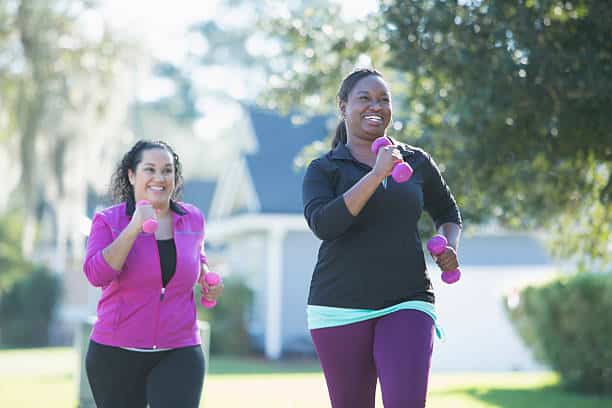
- Start light: Begin with one to two-pound wrist or ankle weights or a weighted vest under 10 percent of your body weight.
- Watch your posture: Keep your shoulders relaxed, core engaged, and avoid leaning forward to compensate for the weight.
- Choose safe terrain: Stick to flat, even sidewalks or walking tracks before attempting hills.
- Wear proper shoes: Supportive sneakers reduce strain on joints and improve balance.
- Hydrate smartly: Sip water before and after the walk; avoid over-hydrating during.
- Listen to your body: If you feel sharp pain in your knees, hips, or back, stop and reassess your weight or form.
- Progress gradually: Add time, distance, or weight slowly—don’t jump into long weighted walks right away.
Recovery Tips After Weighted Walks
- Cool down: Spend five to 10 minutes walking without weights to ease your body back into resting mode.
- Stretch it out: Focus on calves, hamstrings, quads, and shoulders to release tension.
- Ice sore spots if needed: Knees or ankles may feel achy at first; icing can reduce inflammation.
- Prioritize rest: Give muscles 24–48 hours before doing another intense weighted walk.
- Fuel up: Eat a snack with protein and complex carbs to support recovery.
- Massage or foam roll: Helps prevent stiffness and supports blood flow.
- Track progress: Note how your body feels, so you can adjust weight, distance, or pace safely.
All in all, weighted walking taps into the wellness zeitgeist: combining low-barrier movement with subtle resistance, it appeals through efficiency, aesthetics, and functional health. While it’s no substitute for strength training or proven longevity practices, it offers a stylish, accessible entry into enhanced walking workouts.