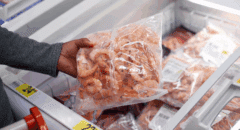

Besides chicken wings, chicken breasts are one of the most sought-after pieces of chicken. But for those of us who like ready-to-eat chicken breasts that make it easier for us to have our chicken salad, soups with chicken, or any other chicken meal, you may want to pause and check your refrigerator/freezer first.
A big recall has been issued for more than 13,000 pounds of frozen chicken breast distributed in seven states due to possible contamination.
Suzanna’s Kitchen, located in Georgia, voluntarily recalled 13,720 pounds of ready‑to‑eat grilled chicken breast fillets after testing raised concerns about potential listeria, the USDA’s Food Safety and Inspection Service (FSIS) announced on Jan. 16.
You May Also Like

The recalled products were produced on October 14, 2025. They were sold in 10-pound cases containing two 5-pound bags of cooked, grilled chicken breast fillets with rib meat, according to the Food Safety Service.
The products subject to the recall bear establishment number P-1382 inside the USDA mark of inspection. These items were shipped to distribution centers for foodservice sales in Alabama, Florida, Georgia, Missouri, New Hampshire, North Carolina, and Ohio, CBS News reported.
The issue was discovered after a third-party laboratory sample tested positive for Listeria monocytogenes. The bacterial disease can infect people when they consume contaminated food.
You May Also Like

What is Listeria Monocytogenes and How Does it Affect Your Body?
Listeria monocytogenes is a species of bacteria that causes an infection called listeriosis. It’s relatively rare but can be serious and sometimes life-threatening, especially for certain high-risk groups.
What is Listeria monocytogenes?
- A Gram-positive bacterium commonly found in soil, water, and animal feces
- Can contaminate food, especially:
- Unpasteurized milk and cheeses (e.g., soft cheeses)
- Ready-to-eat deli meats and hot dogs
- Refrigerated smoked seafood
- Raw vegetables contaminated from soil
- Unusual among bacteria because it can survive and grow in cold temperatures, including refrigerators
How it affects the body
1. Entry into the body
- Infection usually occurs by eating contaminated food
- The bacteria enter through the digestive tract
2. Spread within the body
Listeria can cross important protective barriers:
- Intestinal wall
- Blood–brain barrier
- Placenta (during pregnancy)
This ability makes it particularly dangerous
3. Immune response and symptoms
The effects vary depending on the person’s immune system.
In healthy adults
- Often mild or no symptoms
Possible symptoms:
- Fever
- Muscle aches
- Nausea or diarrhea
- In high-risk groups
Includes:
- Pregnant people
- Newborns
- Older adults (65+)
- People with weakened immune systems
In these groups, listeriosis can cause:
- Bloodstream infection (sepsis)
- Meningitis or encephalitis (infection of the brain and surrounding tissues)
Symptoms may include:
- High fever
- Severe headache
- Stiff neck
- Confusion
- Loss of balance
- Seizures
Effects during pregnancy
The pregnant person may have mild flu-like symptoms
The infection can pass to the fetus and cause:
- Miscarriage
- Stillbirth
- Premature birth
- Severe infection in the newborn
Why Listeria is dangerous
- Can hide and multiply inside human cells, helping it evade the immune system
- Long incubation period (can be days to several weeks), making it hard to trace
- High hospitalization and mortality rates in severe cases
A more severe, life-threatening invasive form of the disease may appear as a headache, stiff neck, confusion, loss of balance and convulsions, the USDA reports. This more invasive form can be life-threatening to newborns, pregnant people, adults over 65 and folks with weakened immune systems.
Basic Ways You Can Protect Yourself
- Avoid unpasteurized dairy products
- Heat deli meats and hot dogs until steaming
- Wash raw vegetables thoroughly
- Practice good food hygiene and refrigeration habits
What to Do if You Have the Infected Chicken Breasts?
Consumers who own the recalled chicken breasts should throw them away or return them to the place of purchase immediately.
Consumers with questions should contact Suzanna’s Kitchen Customer Service Director Dawn Duncan at [email protected]. The USDA Meat and Poultry Hotline is also available at 888-674-6854 or questions can be submitted to the email [email protected].