
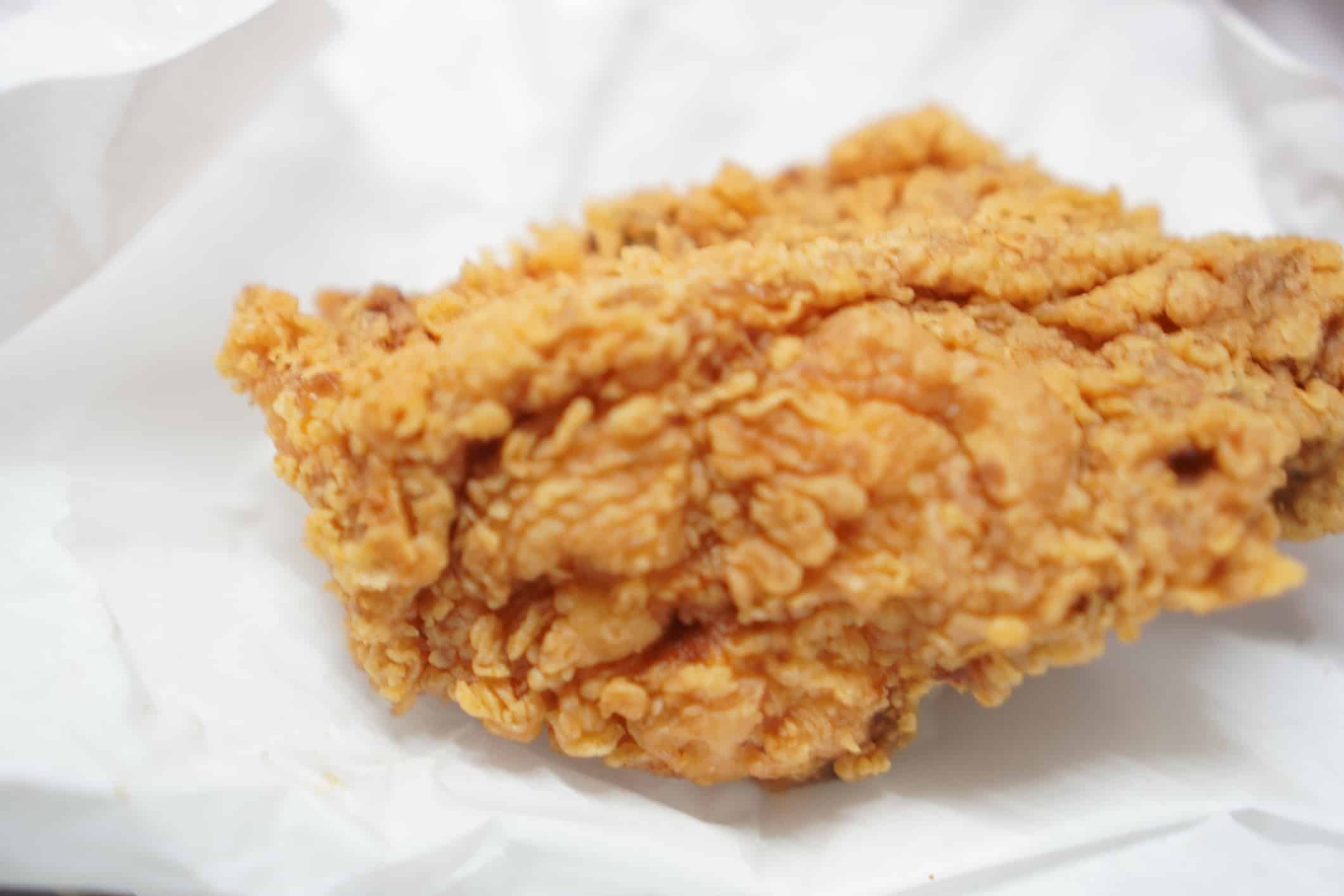
Before you take your next bite into that juicy, flavorful piece of chicken, you might want to check where it comes from first. Because more than 60,000 pounds of fully cooked, breaded chicken have been recalled for allergen concerns, according to a notice from the Department of Agriculture’s Food Safety and Inspection Service (FSIS).
Georgia-based Suzanna’s Kitchen initiated the recall after a labeling error left important allergen information off the packaging of some of its chicken products. According to the Dec. 12 FSIS notice, the recalled products contain soy, which is not declared on the product label.
The 8-piece cut, bone-in breaded chicken portions were produced on Oct. 16 and were shipped to restaurant locations nationwide. In total, 62,550 pounds of the chicken products are being recalled.
You May Also Like

The products were distributed in 18 pound cases that contained four units of “Fully Cooked Breaded Chicken Portions” with the case code “P-1380 126237 B30851 23:11 K04” printed on the side of the packaging.
The problem was discovered after the company found the chicken products contained soy that has been mislabeled with a non-allergen containing product code.
The USDA classified this recall as a Class I meaning it “involves a health hazard situation where there is a ‘reasonable’ probability that use of the product will cause serious, adverse health consequences or death.”
You May Also Like

There have been no confirmed reports of adverse reactions after eating these products. However, anyone concerned about an injury or illness should contact their healthcare provider.
If the Chicken Has Soy In It, What Can It Do to Your Body?
There are some potential harmful effects or concerns, especially depending on the form of soy and an individual’s health profile.
Hormonal Effects of Soy (Phytoestrogens)
Soy contains isoflavones, which can mimic weak estrogen in the body. For most people, these effects are mild, but concerns include:
- May affect thyroid function in people with existing hypothyroidism, especially if iodine intake is low.
- Very high soy intake might affect menstrual cycle length in some women.
- In men, regular dietary amounts of soy do not lower testosterone—but excessive processed soy may have hormonal effects in sensitive individuals.
You are at higher risk if:
- You consume large amounts of processed soy daily (soy protein isolate, soy bars, soy-based shakes).
- You already have low thyroid function.
Soy Initiates Thyroid Suppression (Goitrogenic Effect)
Soy contains goitrogens, which can interfere with thyroid hormone production.
Risk increases when:
- You have hypothyroidism.
- You consume soy while not getting enough iodine.
- You eat high quantities of soy every day.
Most people with healthy thyroids are unaffected.
Digestive Problems
Some people experience GI irritation from soy:
- Bloating
- Gas
- Stomach discomfort
- Diarrhea (especially in those with soy intolerance)
Fermented soy (tempeh, miso) tends to be easier on digestion.
Mild to Severe Allergic Reactions
Soy is one of the top eight allergens.
Symptoms can include:
- Hives
- Itching
- Wheezing
- GI distress
In extreme cases, anaphylaxis, which is a severe, sudden, and potentially life-threatening allergic reaction where the immune system overreacts to a trigger, causing body-wide symptoms like hives, swelling (lips, tongue, throat), shortness of breath, wheezing, dizziness, vomiting, or a drop in blood pressure, requiring immediate epinephrine (EpiPen) injection and emergency medical help (911).
Soy Impacts How Your body Absorbs Minerals
Soy contains phytates, which can reduce absorption of:
- Calcium
- Iron
- Zinc
This is mainly a concern if soy is a large percentage of your diet or in people with iron-deficiency anemia.
Ultra-Processed Soy Products Pose Different Risks
Things like:
- Soy protein isolate
- Soy oil
- Soy fillers
- Highly processed vegan meats
These may contribute to:
- Inflammation
- Weight gain
- Blood sugar spikes
- Higher sodium intake
Whole or minimally processed soy is much safer.
Who’s Most at Risk?
You may want to really stay away from this chicken if you have:
- Hypothyroidism
- Soy allergy or intolerance
- Hormone-sensitive conditions and consume soy supplements
- Diets high in ultra-processed soy foods
- Infants (never give unmodified soy beverages to babies—only regulated soy infant formula if needed)
What to Do if You Have Purchased the Chicken?
The department said it’s “concerned” that some of the chicken could still be in restaurant refrigerators or freezers.
Restaurants and individuals who have purchased the chicken are urged by the USDA to not serve this product and instead toss the chicken away.